

 admin
adminCANADA ENDS STUDY PERMIT PATHWAY TO PERMANENT RESIDENCY IN MAJOR IMMIGRATION POLICY SHIFT
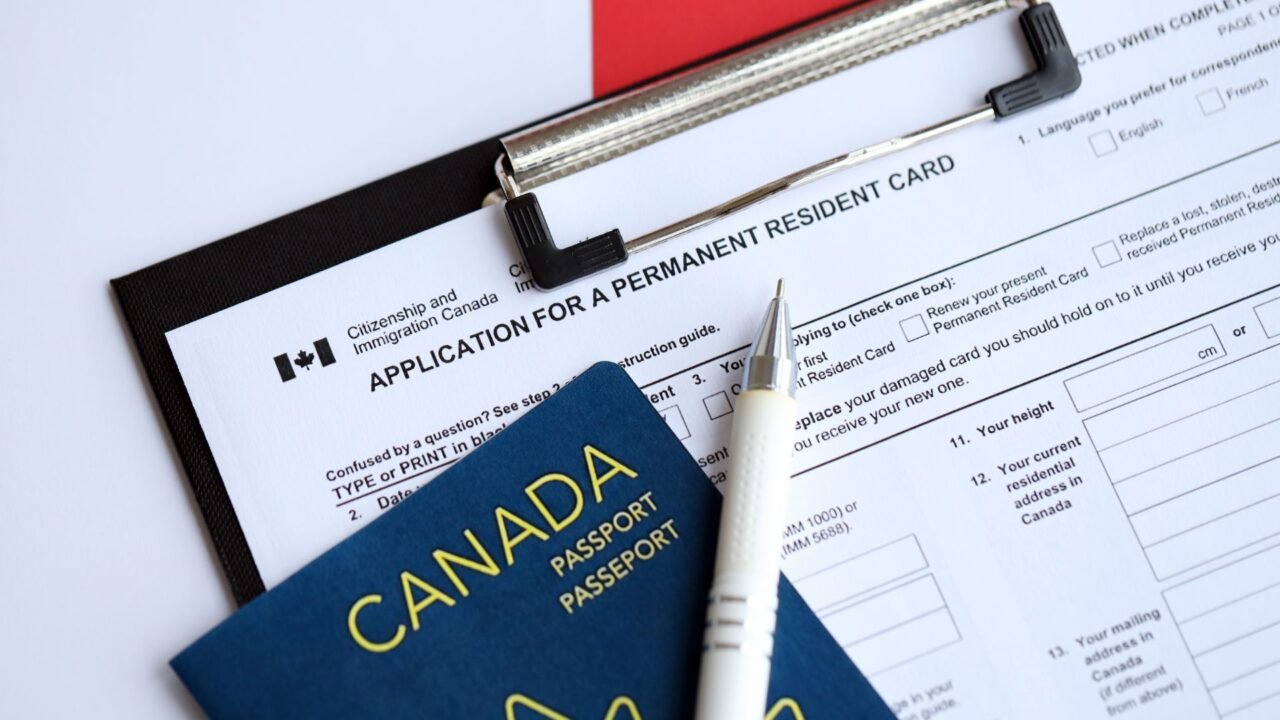
In a groundbreaking move, Canada has announced the closure of the study permit pathway to permanent residency, signaling a major shift in the country’s immigration policy. The decision, unveiled earlier this week, has sparked widespread reactions among international students and immigration stakeholders, many of whom see this as a dramatic change to Canada’s historically inclusive immigration framework.
A New Reality for International Students
For years, Canada has been a top destination for international students, offering quality education and a clear pathway to permanent residency upon graduation. This combination attracted thousands of students annually, many of whom saw Canada as a place to build long-term careers and lives.
However, the new policy means that obtaining a study permit will no longer guarantee a route to permanent residency. International students will now have to explore other immigration streams to secure their status, many of which are highly competitive and restrictive.
Why the Change?
The Canadian government has cited several reasons for the policy shift, including the rapid increase in international student enrollments, which has strained housing availability and essential services. With the student population growing
significantly in recent years, some provinces have reported housing shortages and rising costs, exacerbating the pressure on local infrastructure.
“This policy aims to restore balance and ensure that our immigration system continues to meet the needs of Canada while addressing emerging challenges,” said an official from Immigration, Refugees and Citizenship Canada (IRCC). The government has also highlighted concerns about the integrity of the system, with recent cases of fraudulent student applications further complicating the situation.
The Impact on Students
The announcement has left many international students uncertain about their futures. For those already in Canada, the abrupt policy change means re-evaluating their plans for post- graduation. Many have expressed frustration, noting that they chose Canada based on its previously clear pathway to permanent residency.
“This decision feels like a betrayal,” said Anita, an international student in Toronto. “We came here believing in the promises made, and now the rules have changed after we’ve invested so much time, money, and effort.”
Protests and Advocacy
The policy shift has also triggered protests from international student communities across Canada. Students are calling on the government to reconsider its decision, proposing alternative solutions such as expanded work permits or transitional programs for those already in the country.
Advocacy groups have urged the government to implement measures that would protect students caught in the middle of this policy shift. They argue that transitional rules are essential to ensure fairness for those who have already committed to studying in Canada.
What’s Next?
While the government defends the policy as necessary to address systemic challenges, critics warn that it could deter future international students from choosing Canada as a study destination. The move comes at a time when other countries, such as the United Kingdom and Australia, are actively enhancing their offerings to attract global talent.
For now, international students planning to study in Canada are urged to stay informed about these changes and explore alternative pathways for immigration. The new policy represents a turning point in Canada’s immigration system, reshaping the landscape for future international students and their aspirations for permanent residency.

