

 admin
adminUniversity of Cambridge Discovers 350,000 African Artifacts, Unveiling a Colonial Legacy
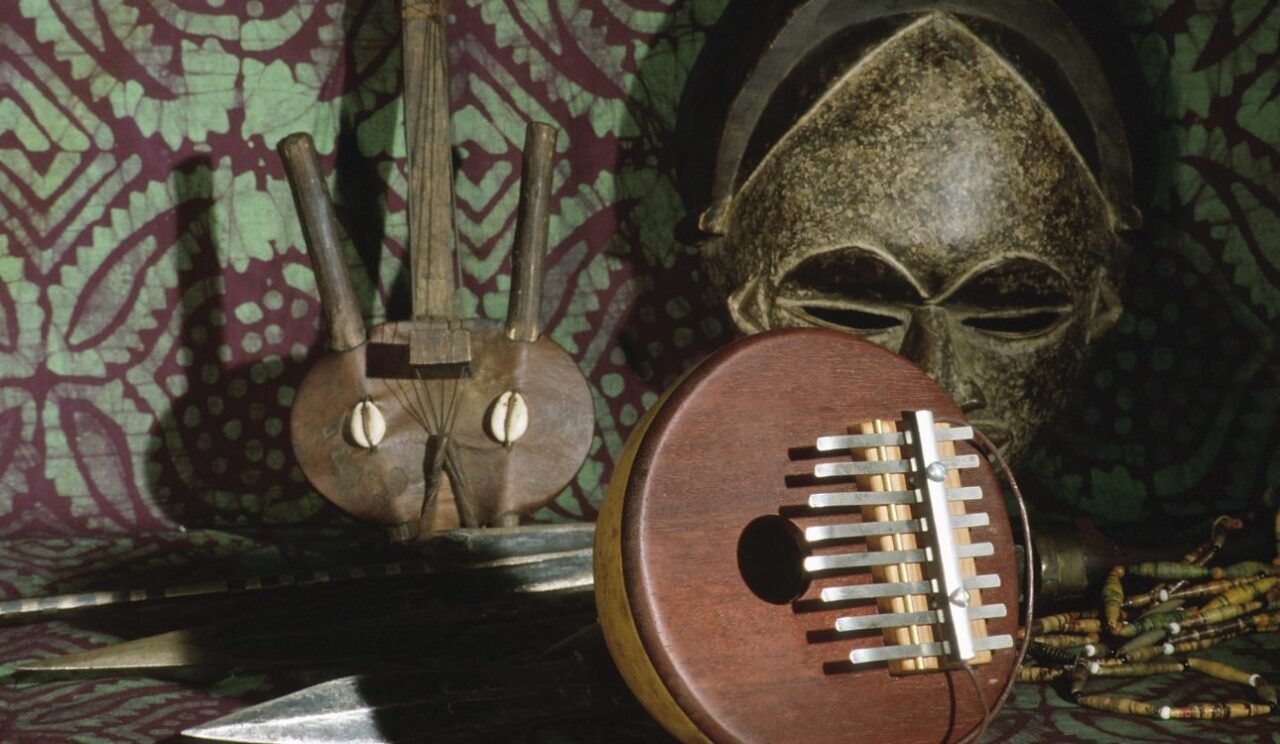
An astonishing 350,000 African artifacts, spanning human remains, photographs, manuscripts, and natural history specimens, have been uncovered in the collections of the University of Cambridge. This discovery sheds new light on the vast extent of the university’s historical ties to colonialism.
The artifacts were unearthed by Dr. Eva Namusoke, Senior Curator for African Collections Futures at the University of Cambridge. Dr. Namusoke spent 15 months collaborating with university librarians, curators, and archivists to explore the extensive collections. Her work involved painstakingly sifting through the university’s archives and museum stores, revealing a diverse range of items from across the African continent—many of which have been stored for decades without display.
Dr. Namusoke’s expertise, honed through her history PhD from Cambridge and a Master’s in African Studies from Yale, led the project to uncover these valuable pieces. Her research interests focus on East African postcolonial history, contemporary politics, and modern Commonwealth history, areas that have shaped her approach to addressing issues surrounding the colonial legacy in museum collections.
While it is common for museums to hold large collections that are rarely exhibited, Dr. Namusoke was still taken aback by the scale and diversity of the materials she uncovered. “It was surprising to see this scale and diversity from the entire African continent, with many items having been there for decades,” she remarked.
This project forms part of broader efforts by the University of Cambridge to confront the complex issues of colonization and enslavement within its museum collections. The majority of the artifacts discovered were acquired during the British colonial period, underscoring the university’s deep historical connections to colonial enterprises.
The items were found across several of Cambridge’s renowned museums, the Botanic Garden, and the University Library, as well as in lesser-known collections within various university departments and institutions. Among the discoveries were Maasai armlets, donated by a colonial administrator, a small mammal collected from a Boer War concentration camp (1899-1902), early photographs of African people, and medieval Jewish manuscripts.
The revelation of these items is expected to spark further discussions about the legacy of colonialism in academic institutions and the ethical implications of collecting cultural artifacts from colonized regions.

