

 admin
adminSenate Proposes Ban on Foreign Currency Transactions in Nigeria
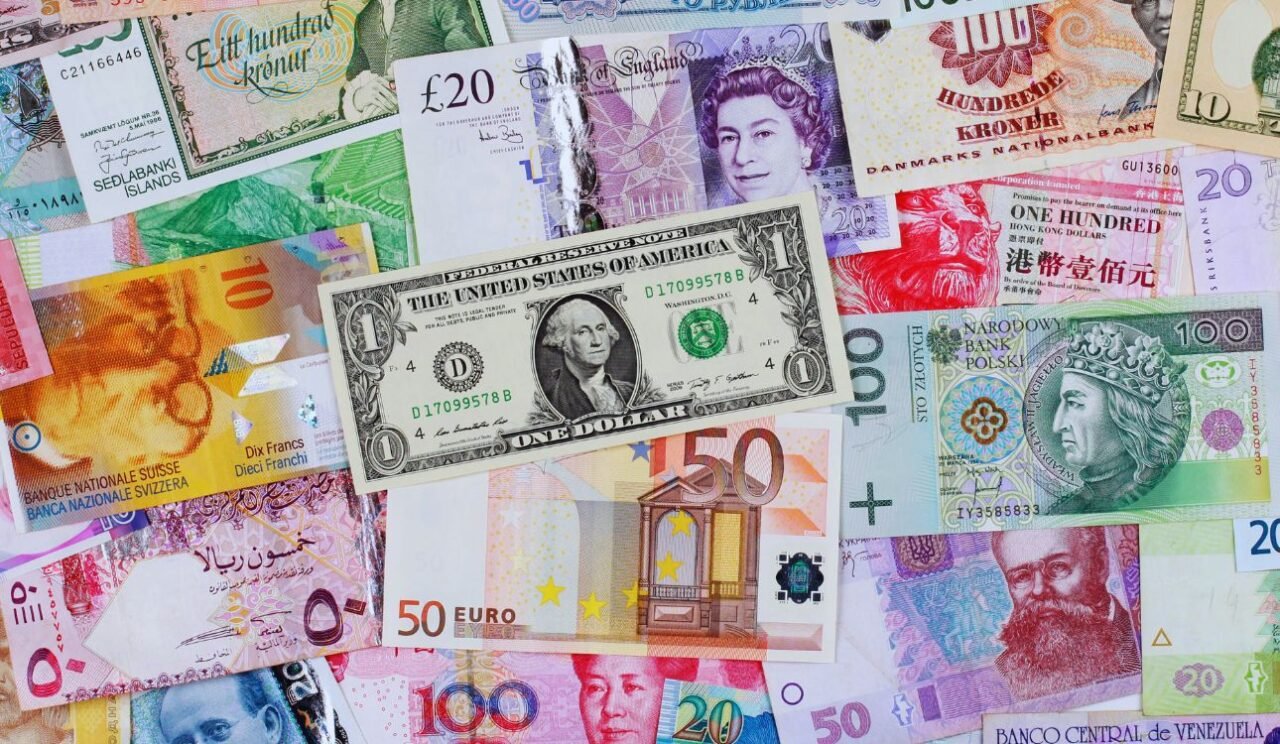
In a significant move toward strengthening Nigeria’s economic sovereignty, the Senate has introduced a bill aimed at banning the use of foreign currencies for transactions and payments within the country. The proposed legislation, titled “A Bill for an Act to Alter the Central Bank of Nigeria Act, 2007, No. 7, to Prohibit the Use of Foreign Currencies for Remuneration and for Other Related Matters,” successfully passed its first reading in the Senate.
Sponsored by Senator Ned Munir Nwoko, Chairman of the Senate Committee on Reparations and Repatriation, the bill seeks to reinforce the Naira as Nigeria’s central currency for all financial activities. Senator Nwoko emphasized that the passage of the bill would eliminate discriminatory payment practices, foster confidence in the Naira, and position it as the primary medium of exchange in the Nigerian economy.
Key Provisions of the Bill
- Mandatory Use of Naira for Payments: The bill proposes that all payments, including salaries and business transactions, must be conducted exclusively in Naira. This measure aims to establish the Naira as the dominant currency for internal financial activities.
- Compulsory Use of Naira for Exports: It mandates that crude oil and other Nigerian exports be sold only in Naira, compelling international buyers to acquire the currency before purchasing Nigerian goods. This move is expected to increase global demand for the Naira, thereby boosting its value.
- Abolition of Informal Currency Markets: To curtail unethical financial practices like round-tripping by banks, the bill proposes the elimination of informal currency markets. This measure aims to strengthen the formal economy and stabilize the nation’s financial system.
- Prohibition of Salary Payments in Foreign Currencies: All salaries, including those of expatriates, would be paid in Naira. This provision is designed to promote financial inclusion and prevent wage discrimination based on currency.
- Domestic Storage of Foreign Reserves: Another crucial aspect of the bill is the advocacy for Nigeria’s foreign reserves to be stored domestically. This move seeks to safeguard the country’s economic sovereignty and reduce vulnerability to external financial shocks.
Senator Nwoko’s Justification for the Bill
According to Senator Nwoko, the widespread use of foreign currencies like the U.S. Dollar and British Pound Sterling in Nigeria’s financial system has undermined the value of the Naira, perpetuating economic challenges. Describing this practice as a “colonial relic,” he argued that it continues to hinder Nigeria’s economic independence.
Nwoko posited that the proposed legislation would eliminate the reliance on foreign currencies, curb capital flight, and stabilize the local currency. The Senator believes the bill’s passage will boost confidence in the Naira, strengthen the formal economy, and reduce Nigeria’s dependence on foreign financial systems.
Next Steps
Having undergone its first reading, the bill is expected to proceed to the second reading, where it will be subject to further debate and scrutiny. If passed, the law would mark a transformative shift in Nigeria’s financial landscape, reinforcing the Naira as the primary currency for all domestic transactions.
As the bill progresses through the legislative process, stakeholders in the financial sector, businesses, and citizens will be closely monitoring its potential impact on Nigeria’s economy. The proposed shift to an exclusive Naira-based financial system is seen as a bold step toward achieving Nigeria’s long-term goal of economic self-reliance and financial stability.

