

 Ifunanya Okafor
USDA Maintains Cattle Imports from Mexico Despite New Screwworm Detection
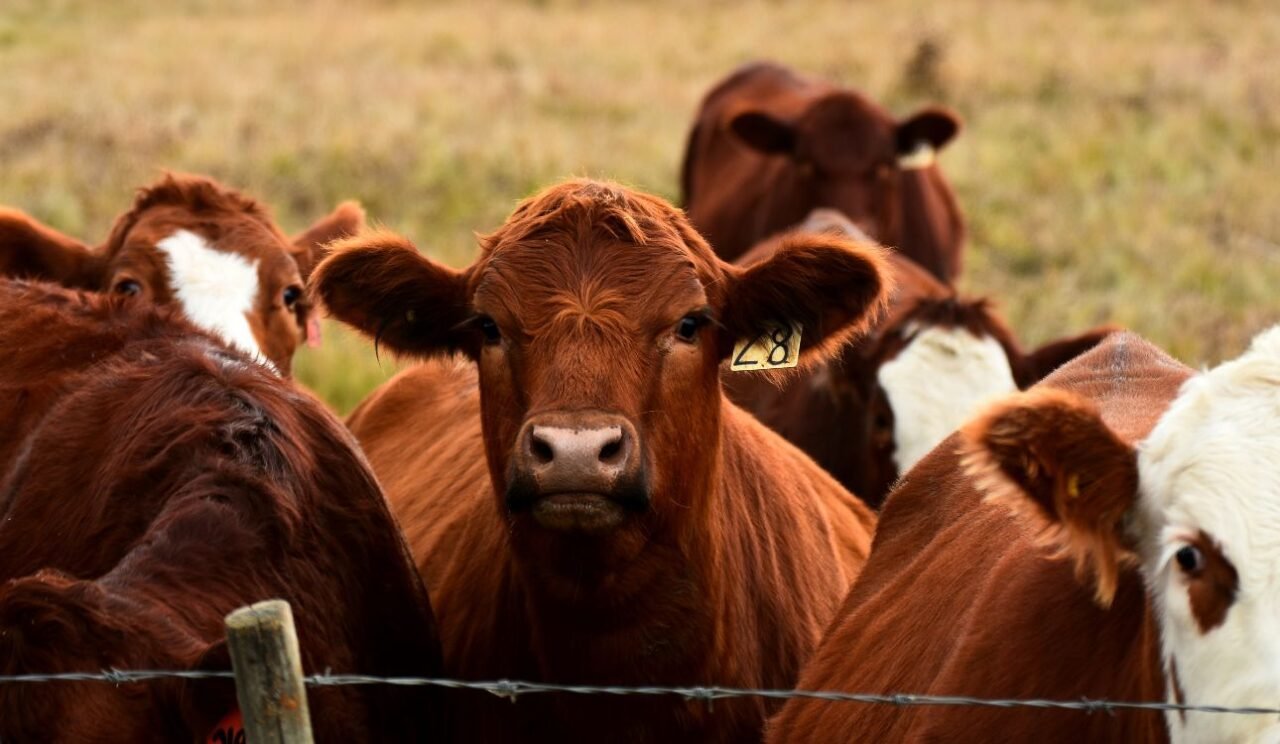
The U.S. Department of Agriculture (USDA) has confirmed that it will not impose restrictions on cattle imports from Mexico, even after the recent detection of the New World screwworm in a cow in Tabasco state. This decision follows the implementation of strict inspection and treatment protocols designed to prevent the spread of the harmful pest.
The New World screwworm (Cochliomyia hominivorax) is a parasitic fly species whose larvae infest and feed on the living tissue of warm-blooded animals. If left untreated, infestations can lead to severe injuries, secondary infections, and even death. Although the United States successfully eradicated the screwworm in 1982, cases continue to emerge in parts of Central America and Mexico.
In response to previous outbreaks, the USDA temporarily halted cattle imports from Mexico in late 2024 but resumed trade on February 1, 2025, under tightened safety measures. These protocols require Mexican veterinarians to conduct rigorous pre-export inspections and treatments on livestock before they enter authorized facilities. Upon arrival in the U.S., USDA personnel conduct additional screenings to ensure infected animals do not enter the supply chain.
The USDA’s decision to maintain imports comes at a time when the U.S. cattle supply has reached its lowest levels in 74 years, driven by prolonged drought conditions and herd reductions. This decline has led to rising beef prices, making Mexican cattle imports essential for stabilizing the market and meeting demand.
To further mitigate risks, the USDA is collaborating with Mexican and Central American officials to eliminate screwworm populations in affected regions. This includes reinforcing a biological barrier in Panama, a control measure that has been in place since 2006 to prevent the pest from migrating northward.
Despite concerns over the recent case in Mexico, the USDA remains confident that its enhanced screening and treatment procedures will effectively safeguard the U.S. livestock industry from the threat of screwworm infestation. The department continues to monitor the situation closely, ensuring that necessary precautions are in place to protect both animal health and agricultural trade.

