

 Ifunanya Okafor
Scientists Discover New Bat Coronavirus That Can Infect Human Cells
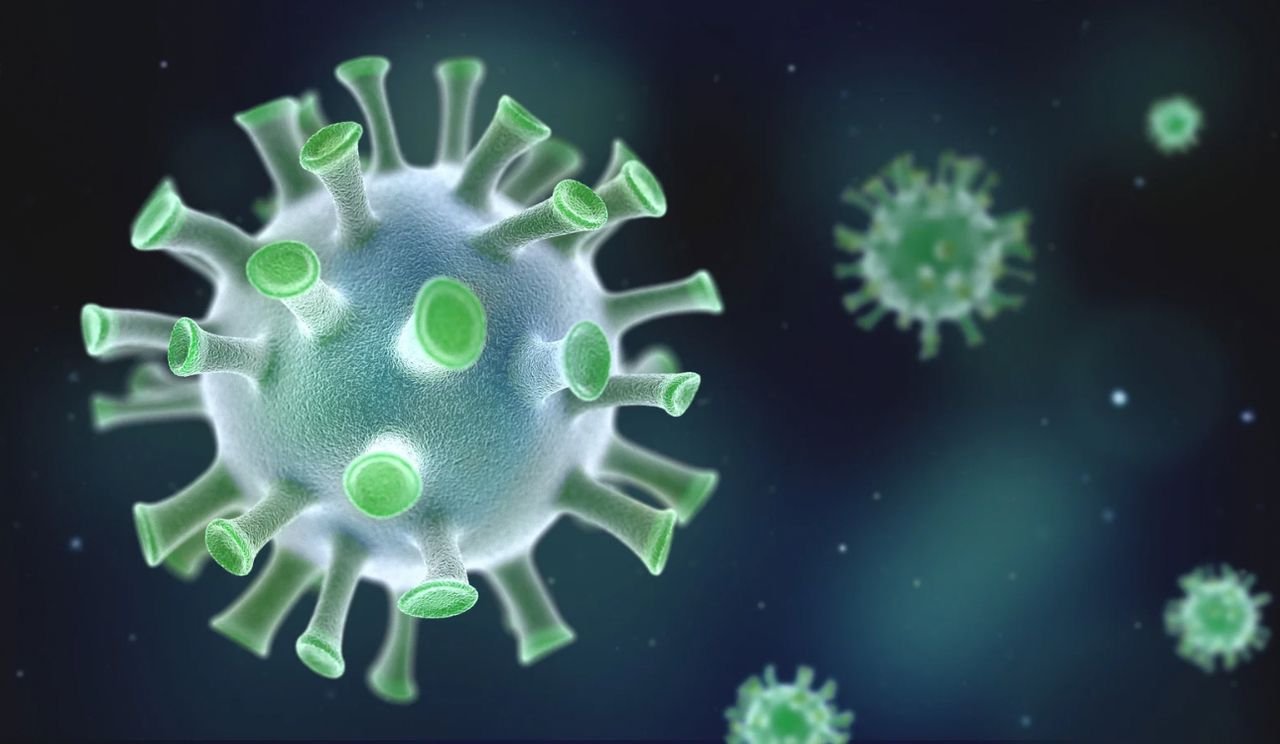
Chinese researchers have identified a new bat coronavirus that uses the same ACE2 receptor to enter human cells as SARS-CoV-2, the virus responsible for COVID-19. The discovery has raised concerns about its potential to jump to humans, though scientists say more research is needed to assess the actual risk.
How the Virus Infects Human Cells
The newly discovered virus, HKU5-CoV-2, was found in bats and has shown the ability to bind to human ACE2 receptors—the key pathway through which SARS-CoV-2 infects human cells. Lab experiments confirmed that the virus could enter human airway and intestinal cells, though not as efficiently as SARS-CoV-2.
What This Means for Public Health
While there is no immediate threat of human-to-human transmission, the discovery highlights the ongoing risk of new coronavirus spillovers from animals to humans. Scientists emphasize the importance of monitoring bat viruses, as mutations could enable them to spread more easily among humans in the future.
The Need for Vigilance
Experts stress that early detection and surveillance are crucial in preventing future pandemics. This discovery serves as a reminder that coronaviruses continue to evolve in wildlife and could pose risks if not closely monitored.
For now, scientists are urging further research to understand the virus’s mutation potential and possible adaptations that could make it a greater concern in the future.

