

 Lifestyle & Wellness Desk
FG Injects N200bn into Agriculture, Distributes Free Fertilisers to Boost Food Security
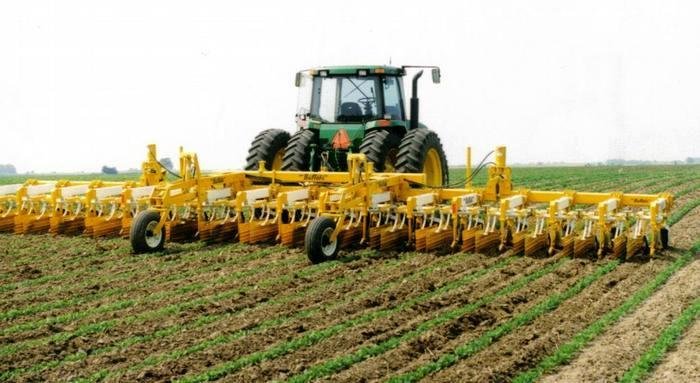
The Federal Government has committed over N200 billion to Nigeria’s agricultural sector in a renewed effort to strengthen food production and ensure national food security.
In a statement released on Sunday, the Minister of Agriculture and Food Security, Abubakar Kyari, announced that the ministry had invested over N200 billion in agricultural interventions and distributed fertilisers worth over ₦2.15 billion at no cost to farmers nationwide.
“As part of our support to farmers across the country, we have distributed fertilisers valued at over N2.15 billion free of charge,” Kyari stated.
The minister also praised the Government of The Gambia for seeking partnership with Nigeria to enhance food production and drive economic growth in the region.
Kyari acknowledged the challenges on the path to achieving food sufficiency in Nigeria but expressed optimism about the progress being made through collaborations with development partners such as the Food and Agriculture Organisation (FAO) and the World Bank.
“It has not been an easy journey toward food sufficiency, but significant strides have been made with the support of partners like FAO and the World Bank,” he said.
Reflecting on the administration’s priorities, Kyari recalled that President Bola Ahmed Tinubu, upon assuming office in 2023, gave a directive to achieve food security and sovereignty, a vision that led to the renaming of the ministry to focus squarely on food security.
“The transition from the Ministry of Agriculture and Rural Development to the Ministry of Agriculture and Food Security was strategic, addressing the food crisis worsened by climate change, COVID-19, and recurrent flooding,” he noted.
Kyari emphasized the need to attract youth into agriculture, stressing the importance of mechanisation in making the sector more appealing.
“We have tremendous youth potential, but the labour-intensive nature of traditional farming often discourages their involvement,” he said.
He also highlighted Nigeria’s achievements in rice and wheat production, citing breakthroughs in research and local seed development.
“We’ve seen consistent progress in wheat production. While we initially supported farmers with imported seeds in 2023, we no longer import seeds. Our local research institutions have developed indigenous varieties, enabling the cultivation of nearly 500 metric tons of wheat within Nigeria,” Kyari revealed.
Addressing challenges in rice production especially around affordability and availability Kyari pointed to the outgrower scheme as a vital support mechanism for smallholder farmers.
“The scheme provides short-term financing aligned with the planting-to-harvest cycle of four to five months. This ensures even small-scale farmers can access the resources they need without the burden of long-term loans,” he explained.
Meanwhile, a Gambian delegation led by the country’s Minister of Agriculture, Livestock, and Food Security, Demba Sabally, paid a courtesy visit to Nigeria. During the visit, the delegation toured rice farms and irrigation projects in Kebbi State.
Sabally expressed admiration for Nigeria’s agricultural innovations, particularly the success of the outgrower scheme, and indicated The Gambia’s interest in replicating the model.
“They were particularly impressed by Nigeria’s post-harvest systems, mechanisation, seed development, packaging, and rice trade. We are still dependent on imports for over 80 percent of our rice needs, which is a major drain on our economy,” Sabally said.
He appealed for technical support, including the appointment of a Rice Ambassador, to help The Gambia adapt Nigeria’s successful strategies in pursuit of rice self-sufficiency.

