

 Tech & Tools Desk
Obi Condemns Prolonged FCT Primary School Teachers’ Strike
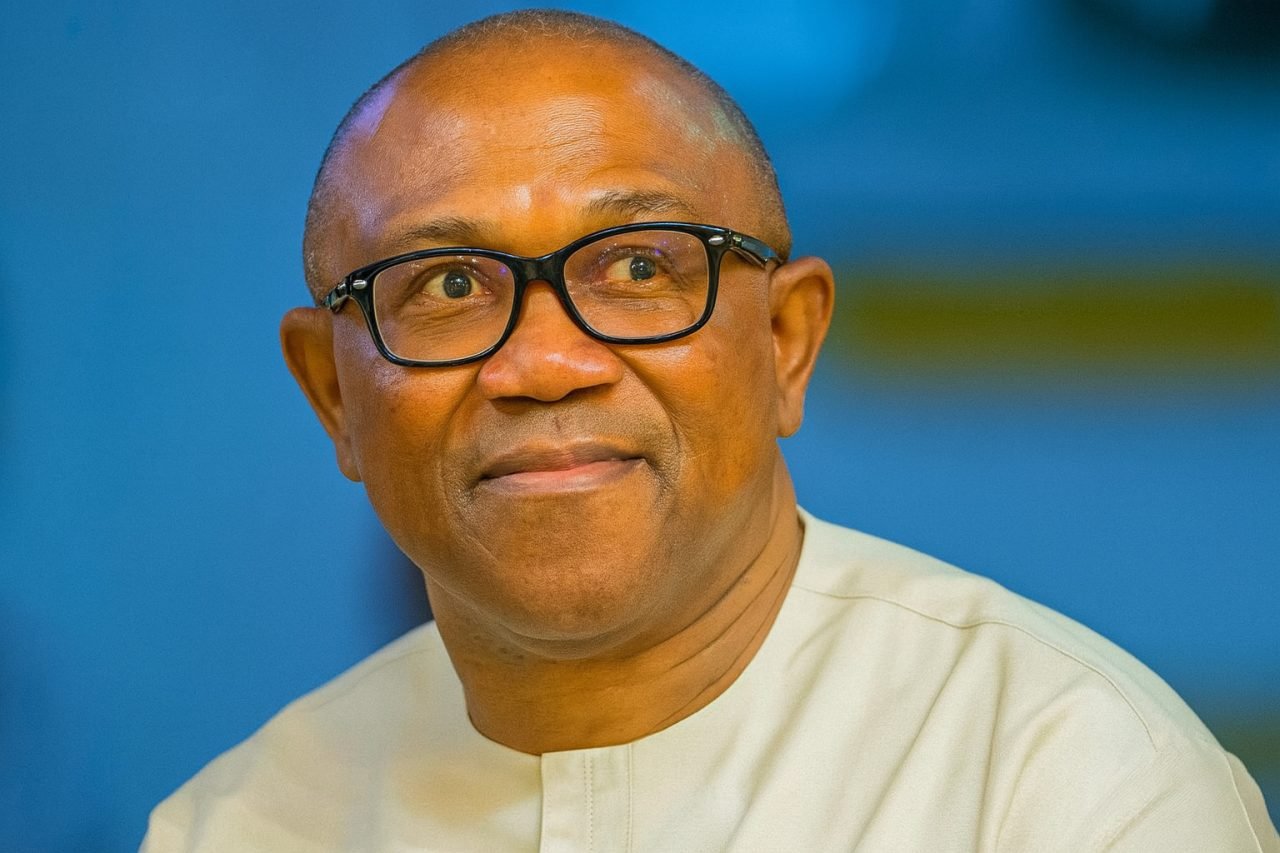
Former presidential candidate of the Labour Party, Peter Obi, has expressed concern over the ongoing strike by public primary school teachers in the Federal Capital Territory (FCT), which has kept thousands of pupils out of school for over three months.
In a statement shared via X on Thursday, Obi described education as the most vital and invaluable pillar of human development, stressing that a nation’s advancement is directly linked to the education of its people.
“It is well established and supported by evidence that nations with higher levels of education tend to experience greater development. Therefore, the most significant investment any nation can make is educating its citizens, especially the younger generation, to safeguard the future,” Obi stated.
He highlighted that Nigeria is not only committed to global development goals such as the Millennium Development Goals (MDGs) and Sustainable Development Goals (SDGs), which prioritise education, but also has legal provisions like the Universal Basic Education Act to ensure every child has access to quality education.
Obi expressed disappointment that despite these national and international frameworks, primary school pupils in Abuja, the nation’s capital, have been unable to return to the classroom due to the prolonged industrial action.
“When the strike started, many assumed that given it’s Abuja, it would be resolved in a day or two. But here we are, over three months later, our children remain at home, while the focus is still on renovating buildings,” he said.
According to Obi, focusing on physical infrastructure at the expense of education reflects misplaced national priorities.
“True societal development begins with an educated population, not just with roads and buildings. Real progress is about building people it’s about educating our children,” he emphasised.
Obi warned that neglecting education only fuels poverty, insecurity, and underdevelopment. He urged the government to channel greater efforts toward human capital development.
“We must place human capital investment at the centre of our national agenda starting with basic education, healthcare, and poverty reduction. That is the path to real national growth. That is how we can achieve the New Nigeria we all desire,” Obi concluded.

