

 Lifestyle & Wellness Desk
Netanyahu Visits US as Trump Pressures for Gaza Ceasefire Deal
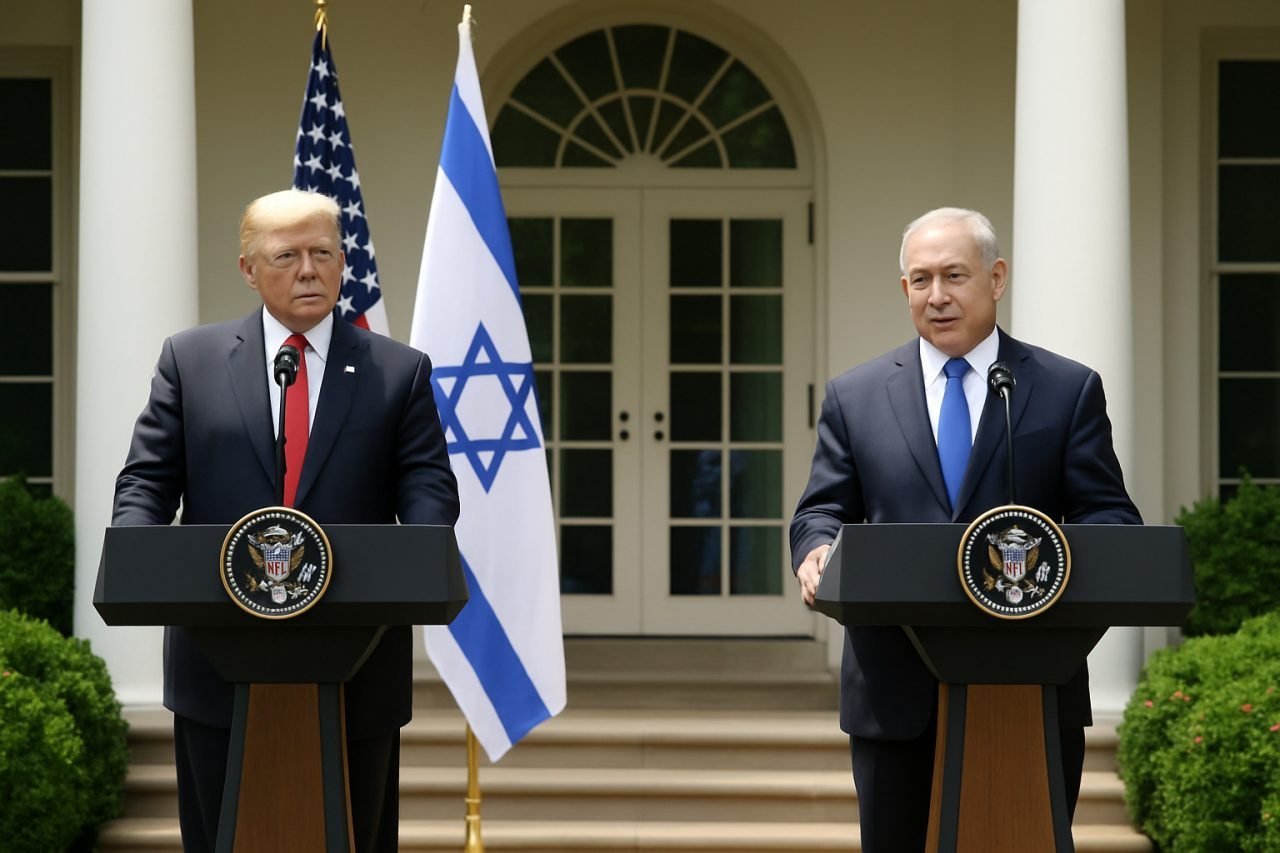
After nearly two years of conflict, hopes are rising for a new Gaza ceasefire as Israeli Prime Minister Benjamin Netanyahu meets with US President Donald Trump in Washington.
Trump, speaking before the meeting, said he had been “very firm” with Netanyahu about ending the war and expressed optimism that a deal could be reached this week.
“We are working towards the agreement that has been discussed under the conditions we have agreed to,” Netanyahu said before departing for Washington. “I believe this meeting with President Trump can help advance this goal, which we all hope for.”
Ceasefire Talks Resume
Indirect talks between Israel and Hamas on a US-backed 60-day ceasefire and hostage release deal resumed in Qatar on Sunday.
But significant hurdles remain, with key differences still blocking a final agreement. While weary Palestinians in Gaza express cautious hope, many fear a temporary truce will only delay further violence.
“We are tired of displacement, hunger, and thirst,” said Nabil Abu Dayah, who fled northern Gaza with his family. “We don’t just want a truce. We want the war to end completely.”
Hostage Families Demand Action
In Israel, families of hostages still held by Hamas staged large rallies over the weekend, urging the government to secure a deal.
“This is the time to save lives,” said Ilay David, whose brother remains captive. “We need a comprehensive agreement to bring every hostage home.”
Changing Political Landscape
This marks Netanyahu’s third visit to the White House since Trump returned to power six months ago, but their first meeting since the US joined Israeli strikes on Iran and brokered a ceasefire between Israel and Iran.
Analysts say the recent 12-day conflict with Iran has strengthened Netanyahu politically, giving him more leverage to pursue a Gaza ceasefire despite opposition from hardliners in his coalition.
Hamas, weakened by the Iran strikes, may also be under more pressure to accept concessions.
Trump, meanwhile, is eager to shift focus to other Middle East priorities, including border talks between Israel and Syria, normalisation efforts with Saudi Arabia, and the possibility of renewed nuclear negotiations with Iran.
Details of the Ceasefire Proposal
The latest proposal reportedly includes:
- A 60-day truce
- The release of 28 hostages by Hamas (10 alive, 18 dead) in stages
- Increased humanitarian aid into Gaza
- Gradual Israeli troop withdrawals from parts of Gaza
- Continued talks aimed at a permanent ceasefire
In exchange, Israel would release large numbers of Palestinian detainees, as seen in past deals.
Trump has called this the “final” proposal, saying Israel has already accepted the key terms. Hamas, while expressing a “positive spirit,” has voiced concerns over aid distribution, troop withdrawal timelines, and control of the Rafah border crossing with Egypt.
Israel has rejected Hamas’ requested changes, insisting that the group must disarm — a demand Hamas has so far refused to discuss.
Mounting Pressure at Home
Public support for ending the war is growing in Israel, especially with over 20 soldiers killed in the past month.
Israel’s military chief, Lt Gen Eyal Zamir, recently said war objectives are nearly complete and urged the government to decide between a deal to return hostages or preparing for the reoccupation of Gaza.
Polls show around two-thirds of Israelis now support a ceasefire to secure the hostages’ release.
Humanitarian Crisis Deepens
In Gaza, the humanitarian situation is dire. Medical workers report widespread child malnutrition, and the UN warns that fuel shortages have crippled vital services, including healthcare, water, and communications.
Israel launched its offensive in response to the October 7, 2023, Hamas-led attacks that killed about 1,200 people and led to 251 hostages being taken.
Since then, more than 57,000 people in Gaza have been killed, according to the Hamas-run health ministry — figures widely cited by the UN and other international organisations.
The coming days are seen as critical, with political decisions, the fate of the hostages, and worsening humanitarian conditions hanging in the balance.

