

 Lifestyle & Wellness Desk
UTME 2025: JAMB Sets New Conditions for Underage Admissions
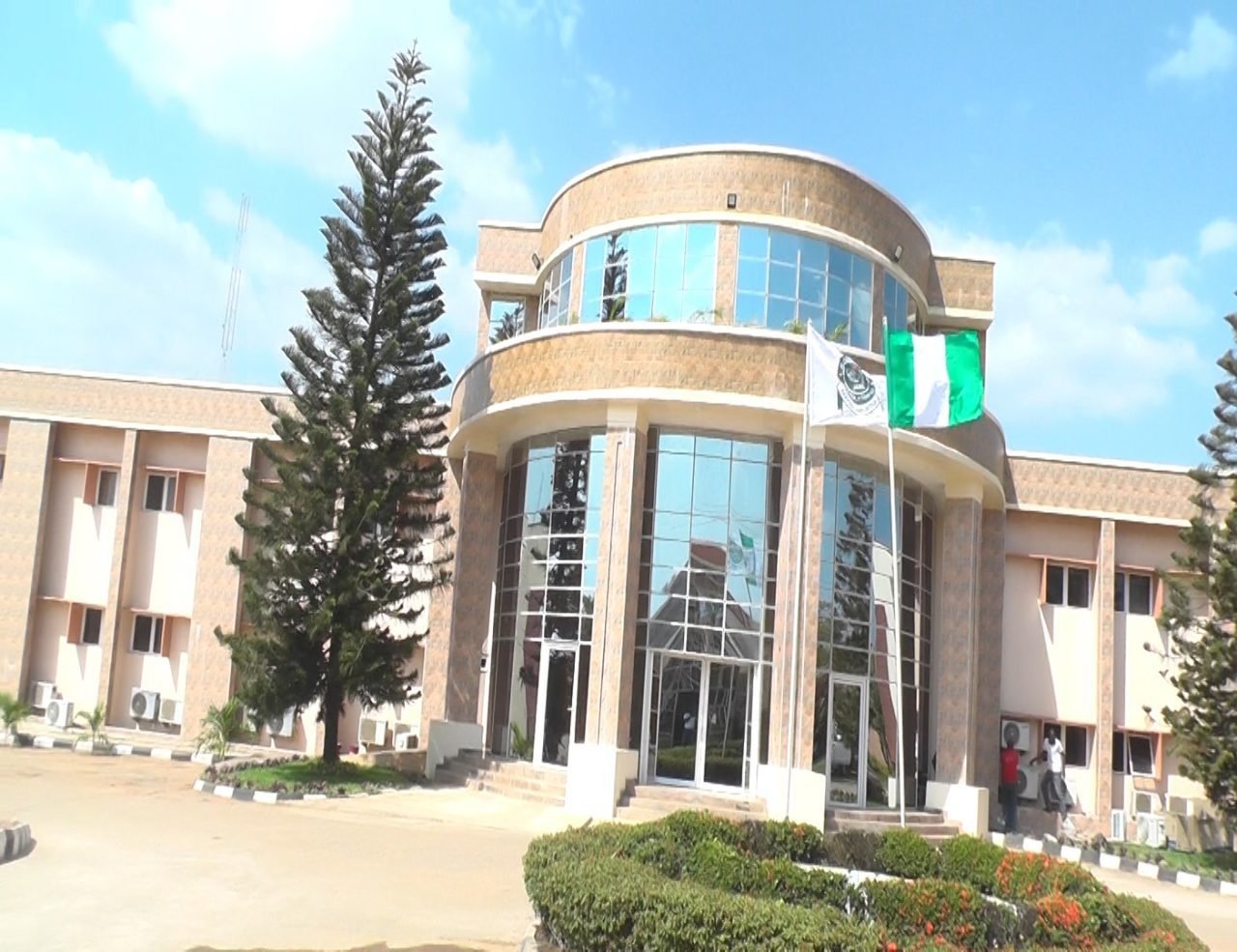
Abuja, Nigeria — The Joint Admissions and Matriculation Board (JAMB) has rolled out fresh conditions for admitting exceptional but underage candidates into Nigerian tertiary institutions, in line with the government’s minimum age policy.
The federal government previously set 16 years as the minimum admission age for universities, polytechnics, and colleges of education. However, exemptions exist for gifted candidates who demonstrate exceptional ability.
Stricter Criteria for Gifted Candidates
Speaking during a virtual meeting with university vice-chancellors, JAMB Registrar Professor Is-haq Oloyede said underage candidates will only qualify if they meet tough academic requirements. These include:
- Minimum UTME score of 320 out of 400
- At least 80% in the post-UTME conducted by the admitting university
- Minimum of 80% in SSCE results
Additionally, candidates in the sciences must excel in Mathematics, while those in the arts must excel in English Language.
Oloyede added that underage candidates must undergo a special post-UTME screening dedicated to them, even in universities that no longer conduct post-UTME exams. He emphasized that the new measures are designed not just to test intelligence but to ensure candidates are psychologically, emotionally, and socially mature enough for the demands of higher education.
Only 599 Candidates Qualify Nationwide
Data from JAMB showed that out of 1.9 million candidates who sat for the 2025 UTME, 41,027 registered as gifted students. Of these, only 17,025 candidates scored above 300, while just 599 met the 320 benchmark required to proceed as gifted applicants.
According to Professor Taoheed Adeoja, chair of JAMB’s subcommittee on underage admissions, this means over 40,000 candidates were disqualified for failing to meet the cut-off.
The 599 successful candidates will face further screening from 22 to 26 September in Lagos, Abuja, and Owerri. The process will involve written tests and oral interviews to assess not only academic excellence but also emotional and social readiness under the affective domain of learning.
Balancing Talent with Readiness
Oloyede stressed that the policy balances the need to nurture exceptional talent with the responsibility of safeguarding young learners. “These measures are not to discourage brilliance,” he said, “but to ensure candidates are truly ready for the exposure and responsibilities that come with university life.”

