

 Lifestyle & Wellness Desk
Orthopaedic Experts Caution Patients on Risks of Patronising Traditional Bone Treatment
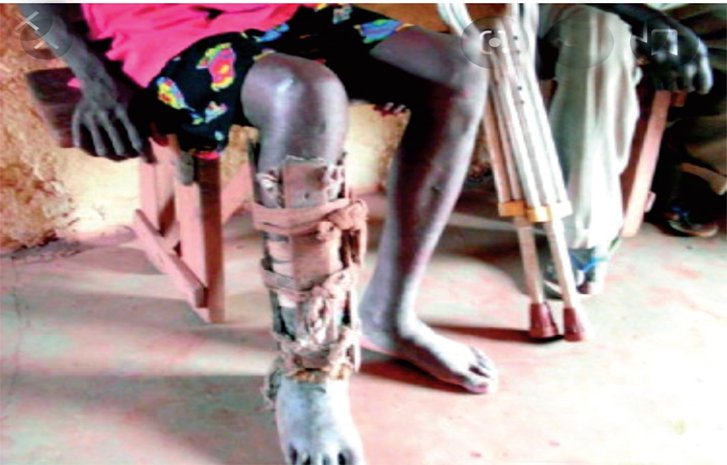
Orthopaedic surgeons have cautioned Nigerians against relying on traditional bone setters and healers for the treatment of fractures, dislocations, and joint injuries, stressing that such practices often worsen patients’ conditions.
They explained that delayed presentation at certified hospitals contributes to devastating outcomes, including poorly healed fractures, deformities, life-threatening complications, and in some cases, amputations.
Speaking at the 46th Annual Scientific Conference of the National Orthopaedic Hospital, Igbobi-Lagos, Consultant Orthopaedic Surgeon, Dr. Olatunji Idowu, said many patients only report to hospitals after complications set in, making treatment more complex and costly.
Idowu, who delivered a paper on “Socio-economic Burden of Orthopaedic Trauma: Nipping the Menace in the Bud”, noted that unsafe practices, coupled with late treatment, worsen the trauma burden in Nigeria.
“The right place to go for orthopaedic trauma is a hospital, not traditional healers or religious houses. A fracture that should be treated easily ends up requiring lengthy surgery when patients delay proper care,” he said.
He stressed that trauma—often resulting from road traffic accidents, domestic falls, sports, and industrial incidents—carries deep physical, social, and economic impacts.
Idowu urged government authorities to enforce safety laws, maintain health facilities, and provide infrastructure to reduce the incidence and burden of trauma in the country. He also called on individuals to seek proper care immediately rather than resorting to unregulated treatment centres.
Also speaking, the Acting Medical Director of NOHIL, Dr. Wakeel Lawal, said the rising number of trauma cases is overstretching Nigeria’s healthcare system, especially amid the ongoing exodus of medical professionals.
“The trauma burden leads to staff burnout and strains facilities. Education and public awareness are critical to prevention and ensuring patients seek appropriate care quickly,” Lawal noted.
Both experts emphasised that awareness, prevention, and timely intervention remain the most effective ways to reduce avoidable disability and death from orthopaedic trauma in Nigeria.

