

 Lifestyle & Wellness Desk
Dollar to Naira Exchange Rate for October 14, 2025
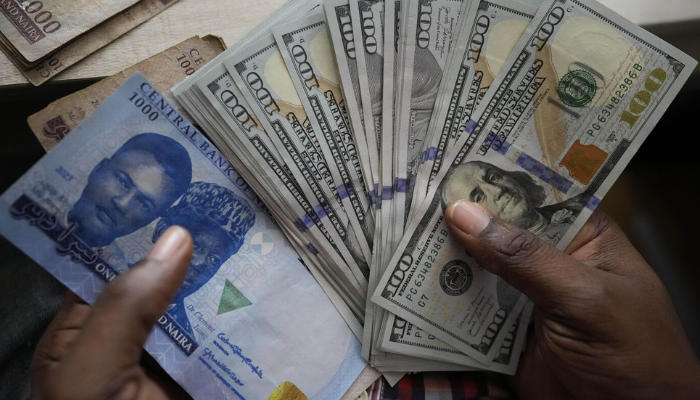
The naira recorded a mild depreciation on Tuesday across Nigeria’s foreign exchange markets, as official (NFEM/CBN) rates hovered in the mid-₦1,400 range, while parallel market traders continued quoting the dollar between ₦1,490 and ₦1,505.
At the NFEM or official market, the exchange rate fluctuated between ₦1,460 and ₦1,466 per dollar, with Central Bank reference figures also maintaining levels within the high ₦1,400s — the benchmark used by banks and authorised dealers.
In the parallel market, rates remained elevated, trading around ₦1,490 to ₦1,505 per dollar, depending on the location and vendor.
Market overview
Data from FX trackers and trading platforms showed that the official (NFEM/CBN-linked) rate traded in the mid-₦1,400s on October 14, with TradingEconomics reporting a USD/NGN rate of ₦1,461.36 for the day.
By contrast, parallel market rates — where most retail dollar demand is met — stayed higher, reflecting continued pressure from importers, travellers, and individuals seeking quick access to foreign currency. The persistent gap between the two markets highlights limited dollar supply at the street level and small-scale arbitrage across trading channels.
Reasons for the rate gap
Analysts attribute the difference between official and parallel rates to factors such as:
- Restricted FX inflows and rising import and remittance demand.
- Delayed liquidity transmission from central bank operations to bureau de change operators.
- Uneven access to official forex by small businesses and individuals.
They note that while the CBN’s benchmark rates guide banks and large corporates, parallel market rates capture real-time retail demand. Future interventions by the apex bank — including direct forex sales to BDCs or policy adjustments — could either narrow or widen the spread.
Broader implications
For consumers and businesses dependent on cash dollars, such as importers and travellers, the higher parallel market rate increases costs. Corporates with access to official channels, however, continue to settle closer to NFEM reference levels. Nigerians planning foreign transactions are advised to compare both official and street rates before making payments.

