

 Lifestyle & Wellness Desk
Fuel Tax to Take Effect Only After Naira Strengthens, Oil Prices Drop — Oyedele
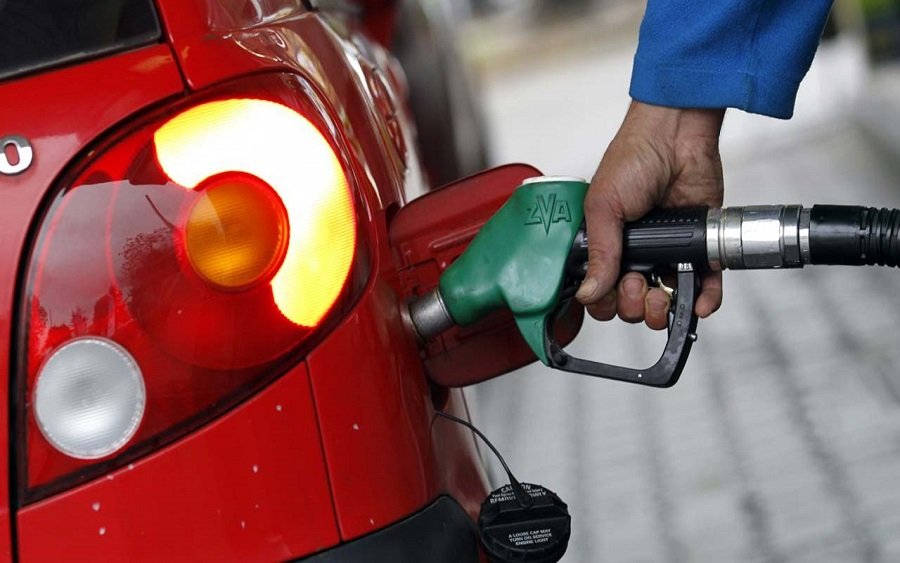
Chairman of the Presidential Committee on Fiscal Policy and Tax Reforms, Mr. Taiwo Oyedele, has clarified that the proposed 5% fuel surcharge will not be implemented until key economic indicators improve — specifically, a stronger naira or a drop in global crude oil prices.
Speaking at the Haulage and Logistics Magazine Conference & Exhibition in Lagos on Thursday, Oyedele explained that although the policy is well-intentioned and aimed at funding road maintenance, introducing it now would place additional pressure on Nigerians already facing economic hardship.
He noted that the fuel surcharge was first introduced during the administration of former President Olusegun Obasanjo to allocate part of fuel revenue for road repairs — with 40% designated for federal roads and 60% for state and local government roads. “It’s a brilliant idea and is already operational in over 150 countries,” he said, pointing out that most of Nigeria’s 200,000 kilometres of roads remain in poor condition.
Oyedele further revealed that while the Federal Roads Maintenance Agency (FERMA) had requested approval to begin collecting the levy following fuel subsidy removal, the committee declined.
“We said no — implementing such a tax now would be insensitive,” he stressed.
He added that although the surcharge has been included in the draft tax law, it will only take effect upon a formal order from the Minister of Finance. “The right time would be when the naira gains strength or crude prices decline so that the surcharge doesn’t increase pump prices,” he explained.
The tax reform chairman also assured stakeholders that ongoing fiscal reforms would bring substantial relief to the haulage and logistics sector by eliminating multiple taxation, reducing operating costs, and improving transparency.
“We are not introducing new taxes; we’re eliminating redundant ones that burden transporters and inflate prices,” he said.
According to him, under the new framework, small transport and logistics businesses with annual revenue below ₦100 million will be exempted from company income tax, while qualified operators will enjoy VAT refunds and other incentives. Oyedele concluded that the reforms aim to simplify Nigeria’s complex tax structure and ensure fair, transparent distribution of revenue across all tiers of government.

