Author: admin

admin19 December 2024
3-1-1280x744.jpg

3min5620
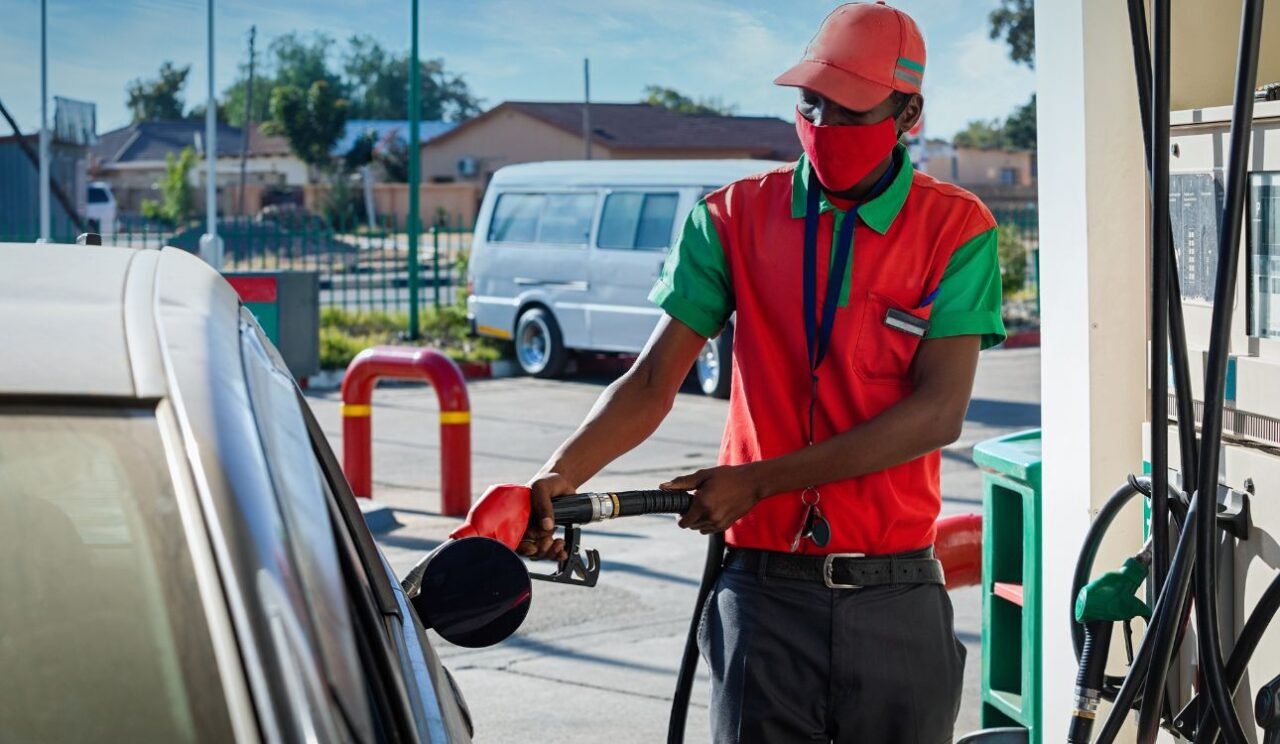
Dangote Petroleum Refinery has announced a much-needed price cut for Premium Motor Spirit (PMS), commonly known as petrol, reducing the ex-depot price to below ₦900 per litre. This price reduction comes as a relief to millions of Nigerians who have been struggling with soaring fuel costs, especially as the holiday season approaches. In a statement released today, Anthony Chiejina, the Group Chief Branding and Communications Officer for the Dangote Group, confirmed the price drop, stating, “Dangote Petroleum Refinery has reduced the price of its Premium Motor Spirit (PMS) to below ₦900 per litre to provide much-needed relief for Nigerians ahead of the holiday season.” But that’s not all. To further ease the financial burden on consumers, the refinery has introduced a special offer. For every litre of petrol bought with cash, customers will be allowed to purchase an additional litre on credit, with the deal supported by bank guarantees from Access Bank, First Bank, or Zenith Bank. This price cut and credit offer come at a critical time. Nigeria has faced constant fuel price hikes in recent months, with the price of petrol jumping from ₦900 to over ₦1,000 per litre in some areas. The rising costs have made everyday life harder for many Nigerians, especially with transportation becoming more expensive and inflation hitting record highs. The high cost of petrol is one of the main drivers of Nigeria’s inflation rate, which has surged to over 34% in recent months, further squeezing household budgets. Despite efforts by the government to promote alternative fuels like compressed natural gas (CNG) through the Presidential CNG Initiative, which aims to convert thousands of vehicles, many Nigerians still feel the pinch of fluctuating fuel prices. While Dangote’s price reduction provides temporary relief, the country’s long-term solution to fuel struggles lies in comprehensive energy reforms and sustainable alternatives to ease the pressure on consumers.

admin19 December 2024
2-1-1280x744.jpg

2min14590
Residents of Monrovia were startled Wednesday morning by thick plumes of black smoke and flames billowing from the Capitol building. The fire, which engulfed the entire joint chambers of the legislature, occurred when the building was empty, and fortunately, no one was inside at the time. In the aftermath, four individuals, including Speaker Jonathan Fonati Koffa and Representative Frank Saah Foko, have been taken into custody for questioning. Liberia’s police chief, Gregory Colman, confirmed the development. The fire struck just one day after a protest demanding Koffa’s removal from his position as Speaker, a protest that turned tense. The previous day’s demonstration saw multiple arrests, including that of an aide to former President George Weah. Representative Foko, a well-known member of the House of Representatives, had allegedly posted a video on Facebook stating, “If they want us to burn the chambers, we will burn it,” leading to further suspicion surrounding his involvement. In response to the incident, the Liberian government has announced a $5,000 reward for any information that could help identify those responsible for the blaze. President Joseph Boakai has expressed his disappointment over the destruction and has ordered a thorough investigation by security agencies. The fire comes amid a growing power struggle within Liberia’s House of Representatives, with a faction of lawmakers asserting that Speaker Koffa has already been ousted and replaced. The situation remains tense as the investigation continues.

admin19 December 2024
1-1-1280x744.jpg

2min25020
In a pivotal move, the US Supreme Court has agreed to hear TikTok’s final legal challenge against a looming ban in the United States. The popular social media app, owned by Chinese tech giant ByteDance, has been at the center of controversy over alleged ties to the Chinese government; claims that both TikTok and ByteDance have consistently denied. This landmark decision by the Supreme Court is notable, as the court typically reviews only about 100 cases annually from the more than 7,000 petitions it receives. TikTok’s opportunity to present its case on January 10 is a critical juncture, coming just nine days before the ban is scheduled to take effect. The legal battle stems from US government concerns about potential national security risks posed by TikTok’s access to user data. While officials argue the app’s ties to China’s state apparatus pose a threat, TikTok’s defense has been rooted in constitutional grounds. The company maintains that banning the app would infringe on the free speech rights of millions of American users. Adding to the drama, former President Donald Trump, who once advocated for banning TikTok during his administration, has since reversed his stance. However, even with his public opposition to the current ban, Trump’s potential influence remains limited as he is not set to take office until January 20, just a day after the deadline for TikTok’s ban or sale. This case could set a significant precedent, not only for TikTok but also for other foreign-owned tech platforms operating in the US. All eyes are now on the Supreme Court’s January hearing, which could determine whether TikTok remains a fixture of social media in the United States or faces an unprecedented shutdown.

admin18 December 2024
3-1280x744.jpg

3min9020
Japan’s automotive industry is on the brink of a potential transformation as Honda and Nissan are reportedly in discussions to deepen their ties, including the possibility of a merger. This move, revealed by anonymous sources, underscores the increasing pressure Japanese automakers face from rivals like Tesla and Chinese electric vehicle (EV) makers. A potential merger between Honda and Nissan would create a $54 billion automotive powerhouse, with an annual output of 7.4 million vehicles. Such a merger would establish the new entity as the world’s third-largest auto group, trailing only Toyota and Volkswagen. The two companies already initiated a strategic partnership in March to jointly develop electric vehicles. However, Nissan’s recent financial and operational struggles appear to have accelerated the need for a more comprehensive alliance. Nissan’s Financial Woes Nissan has been grappling with significant challenges, including a sharp drop in profits and declining sales in key markets like China and the United States. Last month, the company announced a $2.6 billion cost-saving plan, which includes cutting 9,000 jobs and reducing its global production capacity by 20%. The automaker’s second-quarter profit plunged by 85%, raising the urgency for closer collaboration with Honda. Market Reaction The potential merger sent shockwaves through the Tokyo stock market. Nissan’s shares surged nearly 24% by the close of trading on Wednesday, reflecting investor optimism about the possibility of a financial lifeline. By contrast, Honda’s shares declined by 3%, a possible reflection of investor concerns about the financial burden of a merger. Shares of Mitsubishi Motors, in which Nissan holds a 24% stake, also rose nearly 20% amid speculation that it may be included in the broader strategic discussions. What’s Next? With talks still in the preliminary stages, it remains to be seen whether Honda and Nissan will proceed with a merger or opt for another form of partnership. Industry stakeholders, including employees, suppliers, and investors, are closely monitoring the situation for any signs of a formal announcement. If successful, the merger could alter the competitive landscape of the global automotive industry, placing Honda-Nissan in a stronger position to challenge EV giants like Tesla and rising Chinese automakers. For now, the industry waits as one of Japan’s most significant potential deals unfolds

admin18 December 2024
2-1280x744.jpg

5min8610
In a strategic move to protect local industries and strengthen its economic resilience, Canada is set to impose fresh tariffs on a range of Chinese imports starting in early 2024. This development was revealed in the federal government’s mid-year fiscal update, reflecting an ongoing effort to counteract the impact of cheap foreign goods on the domestic market. The new tariffs build on existing measures implemented by Prime Minister Justin Trudeau’s administration, which had earlier imposed a 100% tariff on Chinese electric vehicles and a 25% tariff on imports of Chinese steel and aluminum products. The recent fiscal update indicates that tariffs will now be extended to include imports of certain solar products and critical minerals from China. Further levies on semiconductors, permanent magnets, and natural graphite are expected to take effect in 2026. Rationale for the Tariffs Prime Minister Trudeau has criticized China’s policy of oversupply and over-capacity, asserting that it distorts the global market and threatens domestic industries. By introducing these tariffs, the government aims to protect Canadian jobs and ensure a level playing field for local producers. “The unchecked influx of cheap Chinese products poses a significant threat to our economy,” Trudeau stated. “This measure is a necessary step to safeguard the future of Canadian workers and businesses.” Scope of the New Measures Solar Products and Critical Minerals: Starting in early 2024, tariffs will be applied to specific solar products and critical minerals imported from China. This move aligns with Canada’s broader strategy to support its renewable energy sector and bolster its supply chain for essential minerals. Semiconductors, Permanent Magnets, and Natural Graphite: By 2026, tariffs will also be levied on semiconductors, permanent magnets, and natural graphite from China. These materials are vital components in the production of electronics, electric vehicles, and renewable energy technologies. The tariffs are intended to reduce reliance on Chinese imports and stimulate local production capacity. Impact on Canadian Businesses and Consumers: While the tariffs aim to protect Canadian manufacturers, they may lead to higher production costs for businesses reliant on imported materials. However, the government maintains that the long-term benefits, including stronger local industries and job creation, will outweigh the short-term challenges. Geopolitical Implications The decision to impose new tariffs comes at a time when Canada’s trade relations with China remain strained. Trudeau’s administration has repeatedly signaled its support for U.S. policies aimed at countering China’s influence on the global economy. By aligning its trade stance with that of its largest trading partner, Canada seeks to reinforce its economic partnership with the United States. The government’s focus on economic sovereignty is further evident in its push for the domestic storage of critical materials and reserves. This strategy is intended to reduce Canada’s exposure to external economic pressures and ensure a more self-sufficient economy. Next Steps With the fiscal update now public, stakeholders in Canada’s manufacturing, renewable energy, and technology sectors are preparing for the potential impact of these tariffs. Business leaders have been advised to review their supply chains and explore local alternatives to minimize disruptions. Canada’s commitment to safeguarding its economy through targeted tariffs signals a decisive shift in its trade policy. As the new measures take effect in 2024 and beyond, the government’s broader objective of achieving economic resilience and independence will be put to the test.

admin18 December 2024
1-1280x744.jpg

5min7000
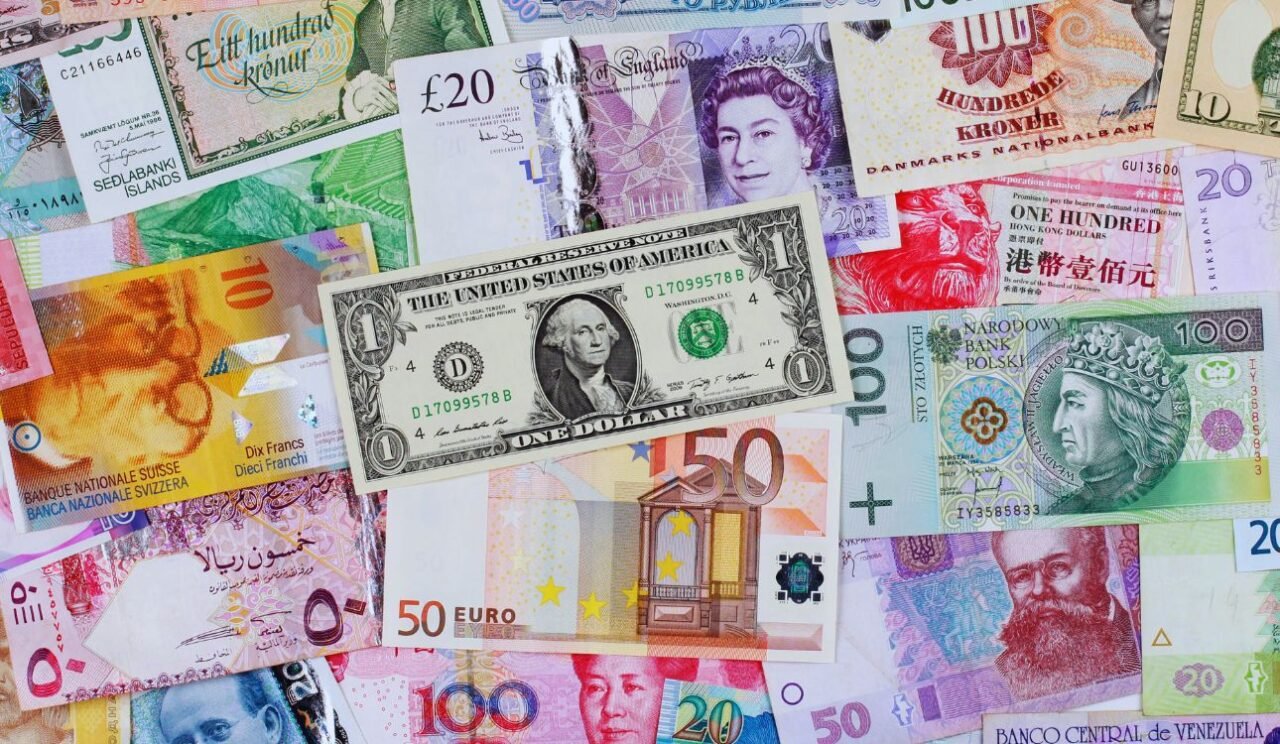
In a significant move toward strengthening Nigeria’s economic sovereignty, the Senate has introduced a bill aimed at banning the use of foreign currencies for transactions and payments within the country. The proposed legislation, titled “A Bill for an Act to Alter the Central Bank of Nigeria Act, 2007, No. 7, to Prohibit the Use of Foreign Currencies for Remuneration and for Other Related Matters,” successfully passed its first reading in the Senate. Sponsored by Senator Ned Munir Nwoko, Chairman of the Senate Committee on Reparations and Repatriation, the bill seeks to reinforce the Naira as Nigeria’s central currency for all financial activities. Senator Nwoko emphasized that the passage of the bill would eliminate discriminatory payment practices, foster confidence in the Naira, and position it as the primary medium of exchange in the Nigerian economy. Key Provisions of the Bill Mandatory Use of Naira for Payments: The bill proposes that all payments, including salaries and business transactions, must be conducted exclusively in Naira. This measure aims to establish the Naira as the dominant currency for internal financial activities. Compulsory Use of Naira for Exports: It mandates that crude oil and other Nigerian exports be sold only in Naira, compelling international buyers to acquire the currency before purchasing Nigerian goods. This move is expected to increase global demand for the Naira, thereby boosting its value. Abolition of Informal Currency Markets: To curtail unethical financial practices like round-tripping by banks, the bill proposes the elimination of informal currency markets. This measure aims to strengthen the formal economy and stabilize the nation’s financial system. Prohibition of Salary Payments in Foreign Currencies: All salaries, including those of expatriates, would be paid in Naira. This provision is designed to promote financial inclusion and prevent wage discrimination based on currency. Domestic Storage of Foreign Reserves: Another crucial aspect of the bill is the advocacy for Nigeria’s foreign reserves to be stored domestically. This move seeks to safeguard the country’s economic sovereignty and reduce vulnerability to external financial shocks. Senator Nwoko’s Justification for the Bill According to Senator Nwoko, the widespread use of foreign currencies like the U.S. Dollar and British Pound Sterling in Nigeria’s financial system has undermined the value of the Naira, perpetuating economic challenges. Describing this practice as a “colonial relic,” he argued that it continues to hinder Nigeria’s economic independence. Nwoko posited that the proposed legislation would eliminate the reliance on foreign currencies, curb capital flight, and stabilize the local currency. The Senator believes the bill’s passage will boost confidence in the Naira, strengthen the formal economy, and reduce Nigeria’s dependence on foreign financial systems. Next Steps Having undergone its first reading, the bill is expected to proceed to the second reading, where it will be subject to further debate and scrutiny. If passed, the law would mark a transformative shift in Nigeria’s financial landscape, reinforcing the Naira as the primary currency for all domestic transactions. As the bill progresses through the legislative process, stakeholders in the financial sector, businesses, and citizens will be closely monitoring its potential impact on Nigeria’s economy. The proposed shift to an exclusive Naira-based financial system is seen as a bold step toward achieving Nigeria’s long-term goal of economic self-reliance and financial stability.

admin17 December 2024
News-6-ECOWAS-Launches-1280x744.jpg

3min7780
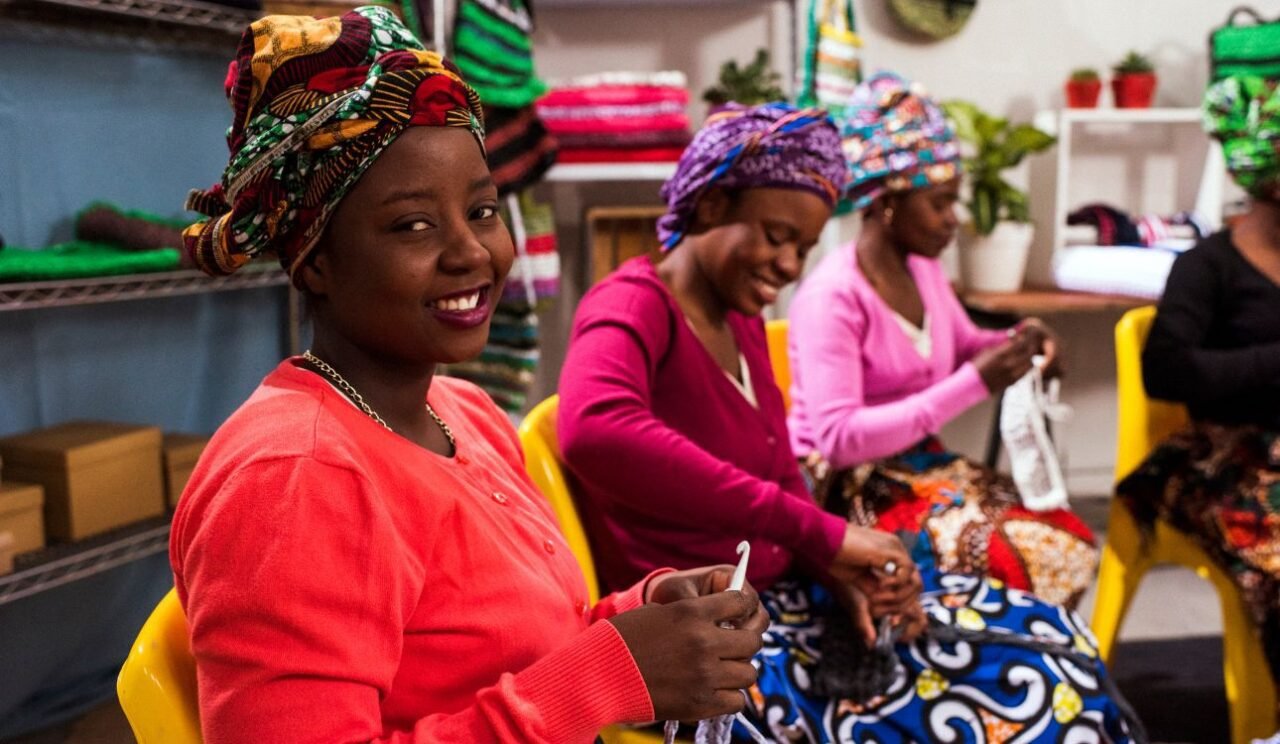
The Economic Community of West African States (ECOWAS) Commission has launched the US$365 million Sub-Saharan Africa Women’s Empowerment and Demographic Dividend Plus (SWEDD+) project, a regional initiative aimed at empowering women and girls across the Sahel and beyond. Nigeria is among the countries set to benefit from this expanded program, which builds on the success of the earlier SWEDD initiative. Originally launched in 2015, the SWEDD program responded to demographic challenges in the Sahel, focusing on five countries: Burkina Faso, Chad, The Gambia, Senegal, and Togo. With support from the World Bank and the United Nations, SWEDD aimed to address gender inequality and empower women and girls through education and economic opportunities. Due to its success in empowering over two million girls, SWEDD has now evolved into the SWEDD+ project, which will extend its efforts to additional countries, including Nigeria, Benin, Cameroon, Côte d’Ivoire, Guinea, Mali, Mauritania, and Niger. The expanded program aims to tackle the region’s development challenges by fostering gender equality, economic participation, and social inclusion. Madame Damtien Tchintchibidja, Vice President of the ECOWAS Commission, emphasized the significance of the project, calling it a “call to action” for nations to invest in the potential of adolescent girls and young women. “SWEDD+ enables these girls to become active contributors to the economic and social development of their nations,” she said. The SWEDD+ initiative will build on the foundational work of SWEDD, which has already helped over 1 million girls remain in school through scholarships, meals, and transportation support. With technical backing from the United Nations Population Fund (UNFPA) and funding from the World Bank, SWEDD+ will continue to drive progress in the region by addressing the vulnerabilities of young women and girls, enabling them to unlock their full potential. The program is also set to include collaborations with regional organizations, including ECOWAS and the Economic Community of Central African States (ECCAS), ensuring a coordinated response to the region’s challenges.

admin17 December 2024
News-5-Democratic-Republic-of-Congo-1280x744.jpg

2min5970
The Democratic Republic of Congo (DRC) has filed criminal complaints against Apple and its subsidiaries in France and Belgium, accusing the tech giant of using conflict minerals in its supply chain. The lawsuit focuses on tin, tantalum, tungsten, and gold referred to as 3TG minerals are extracted from artisanal mines in Congo, some of which are controlled by armed groups involved in human rights abuses. Congo, a major supplier of these minerals, claims that Apple is complicit in the exploitation of these resources, which are linked to violent conflict in the region. The legal action alleges that Apple subsidiaries, including Apple France and Apple Retail Belgium, engaged in deceptive practices by assuring consumers that their supply chains are clean, while profiting from the trade in tainted minerals. Apple, which does not directly source these minerals, says it audits its suppliers, publishes findings, and funds efforts to improve mineral traceability. The company’s 2023 filing with the U.S. Securities and Exchange Commission states that none of the smelters in its supply chain have financed armed groups. However, international lawyers representing Congo argue that Apple benefits from laundered minerals that have been pillaged in Congo, thus contributing to ongoing conflict. This legal battle brings renewed attention to the ethical challenges faced by global tech companies in ensuring that their supply chains are free from human rights abuses, especially in conflict zones. The outcome of this case could have significant implications for corporate responsibility and transparency across the tech industry.

admin17 December 2024
News-4-EFCC-Arrests-1280x744.jpg

2min7030
The Economic and Financial Crimes Commission (EFCC) has arrested 792 suspects during a raid on a building in Lagos believed to be a major hub for international fraud operations. The suspects, who allegedly lured victims with false romance offers and coerced them into investing in phoney cryptocurrency schemes, were apprehended on December 10. According to EFCC spokesperson Wilson Uwujaren, the operation targeted the seven-storey Big Leaf Building located in Lagos, Nigeria’s commercial capital. Among those arrested were 148 Chinese nationals and 40 Filipinos. The building was reportedly being used as a luxury call center from which fraudsters contacted victims, primarily from the Americas and Europe, using social media and messaging platforms such as WhatsApp and Instagram. Uwujaren explained that the suspects employed sophisticated social engineering tactics. Staff would seduce potential victims online or entice them with seemingly lucrative investment opportunities. Once the victims were engaged, they were pressured to transfer funds for fake cryptocurrency investments and other non-existent ventures. “Nigerian accomplices were recruited by the foreign kingpins to prospect for victims online through phishing, targeting mostly Americans, Canadians, Mexicans, and several others from European countries,” Uwujaren stated. He added that after Nigerian collaborators secured the trust of potential victims, the foreign operatives would take over the task of defrauding them. The EFCC confirmed it is collaborating with international partners to investigate potential links to organized crime networks. Items seized during the raid included computers, mobile phones, and vehicles, which will be analyzed for evidence of criminal activity. The operation is part of an ongoing effort by Nigerian authorities to tackle financial crimes that have tarnished the country’s international reputation. The EFCC has vowed to intensify its crackdown on such activities, particularly those that involve foreign actors leveraging local accomplices to target unsuspecting victims abroad.

admin17 December 2024
News-3-Ivory-Coast-Cocoa-1280x744.jpg

3min8860
Farmers in Ivory Coast’s key cocoa-growing regions have raised concerns about inadequate rainfall and increased heat, which they say could negatively impact the development of the October-to-March main crop. The world’s largest cocoa producer is currently in its dry season, which lasts from mid-November to March and is characterized by limited rainfall. Reports from farmers across most cocoa-producing regions indicate that only the western region of Soubre experienced above-average rainfall, while Abgoville in the south recorded slightly below-average rainfall. Farmers in other areas fear the prevailing weather conditions could damage small pods expected to be harvested in February and March. Growers in the central regions predict that cocoa bean quality will decline by February due to the ongoing dry conditions. Compounding the issue is the presence of the Harmattan wind, which typically blows in from the Sahara Desert between December and March. Farmers noted that the wind’s intensity fluctuated last week, alternating between strong and mild gusts. The Harmattan wind is notorious for its drying effect on soil and reduction of humidity, which can cause cocoa pods to shrink and lower overall yields. Farmers have also voiced concerns that prolonged exposure to these conditions could further affect bean quality, making it more difficult to meet export standards. This weather-related challenge comes amid a broader context of issues facing the cocoa industry, including crop diseases and limited access to fertilizers. These factors have historically contributed to supply shortages, which in turn have led to fluctuations in global cocoa prices. Recently, fears of reduced supply from West Africa have driven cocoa prices higher on the international market. Although farmers reported that, so far, no significant damage has been done to the plantations, uncertainty remains as the dry season continues. Authorities and industry stakeholders are closely monitoring the situation, as any further deterioration in weather conditions could have a lasting impact on cocoa production in the world’s leading cocoa-producing nation.