Author: Ifunanya Okafor

Ifunanya Okafor24 January 2025
2-12-1280x744.jpg

2min11410
Google has committed to taking stronger action against fake reviews, including penalizing UK businesses and individuals involved in manipulating online ratings. This follows an extensive investigation by Britain’s Competition and Markets Authority (CMA), which announced the measures today. The U.S. tech giant will introduce “warning” alerts on the profiles of British businesses found to have used fake reviews to inflate their ratings. This is part of Google’s efforts to address concerns raised by the CMA, which launched a formal investigation in 2021 into both Google and Amazon over their handling of fake reviews. While the inquiry into Amazon is ongoing, Google has pledged to work closely with regulators worldwide to curb fake content and deter bad actors. According to the CMA, online reviews influence up to ÂŁ23 billion ($29 billion) of UK consumer spending annually, with nearly 89% of shoppers relying on reviews when researching products or services. Given the significant impact of reviews on consumer decisions, the watchdog is intensifying its scrutiny of major tech platforms. The CMA has also opened new investigations this month, focusing on Google’s search services and Apple and Google’s mobile ecosystems. However, some competition lawyers and industry experts have questioned the government’s decision to appoint a former Amazon executive as CMA chair, describing the move as sending mixed signals about its stance on regulating big tech.

Ifunanya Okafor24 January 2025
1-13-1280x744.jpg

2min7000
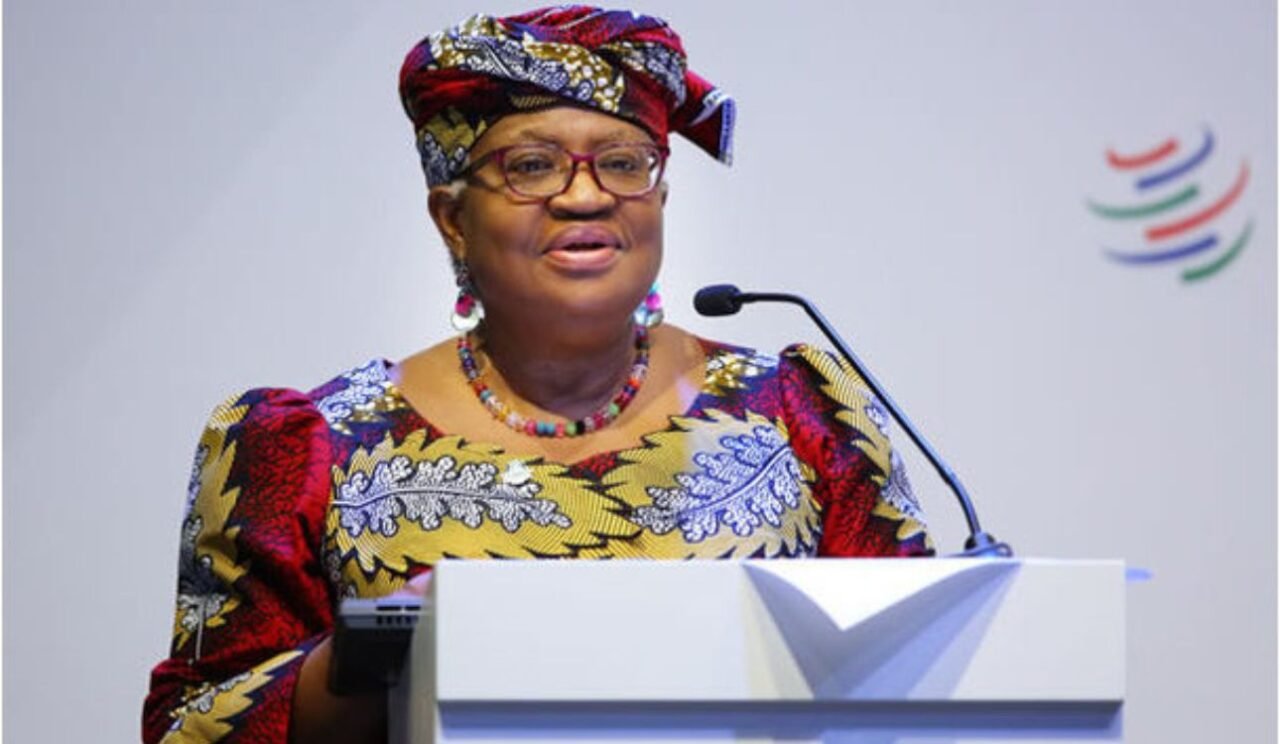
World Trade Organization (WTO) Director-General, Ngozi Okonjo-Iweala, has cautioned against retaliatory trade wars, emphasizing their potentially devastating impact on global economic growth. Speaking at the World Economic Forum in Davos on Thursday, she warned that escalating trade tensions, similar to the tariff threats issued by former U.S. President Donald Trump, could mirror the economic downturn of the 1930s. “If countries respond with tit-for-tat tariffs, whether 25% or 60%, we risk double-digit global GDP losses. That would be catastrophic, with everyone feeling the consequences,” Okonjo-Iweala stated, urging WTO members to avoid hasty retaliation. Drawing comparisons to trade policies enacted during the interwar period, she referenced the fallout from the 1930 U.S. Smoot-Hawley Tariff Act, which contributed to widespread economic instability. Instead, she encouraged countries to explore alternative solutions and rely on the WTO’s dispute resolution mechanisms. Although the WTO’s appeals system has been partially inactive since 2019, following the U.S. vetoing judicial appointments. Okonjo-Iweala expressed optimism over recent trade decisions, such as the delayed imposition of tariffs on Canada and Mexico. She highlighted these steps as opportunities for negotiation and emphasized the importance of maintaining calm amidst trade disputes.

Ifunanya Okafor23 January 2025
4-6-1280x744.jpg

3min12350
In a groundbreaking move to propel Africa’s technological revolution, Lagos, Nigeria, is gearing up to become the home of the continent’s first university dedicated to artificial intelligence (AI). Wini Group, the pioneering force behind this ambitious initiative, has announced plans to establish the AI-centered institution in Epe, a growing area of Lagos state. The establishment of this forward-thinking university aims to position Nigeria, and by extension Africa, at the forefront of global AI development. With the rapid evolution of technology, particularly in fields like machine learning, blockchain, and quantum computing, the institution is set to equip the next generation of African leaders with the skills necessary to thrive in the AI-driven future. The new university will offer specialized programs in AI and other cutting-edge technologies, providing students with hands-on experience in areas that are transforming industries worldwide. Its curriculum will emphasize the development of practical skills in emerging fields such as blockchain, quantum computing, and machine learning, while also fostering innovation through research and collaboration. Epe, a city traditionally known for its agricultural economy, is being transformed into a hub for technology and innovation. The location was chosen strategically, in alignment with Lagos State’s broader vision of becoming Africa’s tech capital. This move will not only boost the local economy but also create a wealth of opportunities for young Nigerians, helping to transition the region into a digital economy. The university draws inspiration from global institutions like Qatar’s AI-focused university, aiming to attract talent and build partnerships with AI experts worldwide. Its ambitious vision is to build a vibrant community of scholars, technologists, and entrepreneurs, all working together to accelerate AI research and applications in Africa. Experts believe this move will not only position Lagos as a leader in the digital space but also serve as a model for other African nations. The new university will foster job creation, support technological innovation, and enhance Africa’s position in the global tech ecosystem. As the world continues to embrace the power of artificial intelligence, Wini University promises to play a pivotal role in equipping the continent’s youth with the knowledge and expertise to lead Africa’s technological transformation.

Ifunanya Okafor23 January 2025
3-9-1280x744.jpg

3min34300
The Rector of Yaba College of Technology (YABATECH), Dr. Ibraheem Abdul, has emphasized the need for stronger collaborations between tertiary institutions and industries to bridge the gap between academia and the professional world. During a courtesy visit to NEM Insurance’s chairman and management team, Dr. Abdul outlined the College’s vision of connecting “town and gown” through strategic partnerships aimed at benefiting students, staff, and industries alike. Accompanied by the college’s management team, he highlighted YABATECH’s priority of equipping students with practical skills to meet the demands of the modern workplace. “Industry partnerships remain at the top of our agenda. We believe these collaborations are key to ensuring our students gain practical, hands-on training that prepares them for real-world challenges,” Dr. Abdul stated. He also stressed the importance of aligning academic curricula with current industry trends, calling on NEM Insurance and other corporate organizations to actively participate in curriculum reviews. This, he noted, would ensure that what is taught in classrooms aligns with job market expectations. As part of fostering stronger ties, Dr. Abdul proposed a mentorship initiative called “A Day with the Professionals or CEOs.” This program would involve industry experts spending time with students to share insights, professional experiences, and career guidance. “This initiative will not only inspire our students but will also help strengthen relationships between academia and the corporate world,” he added. Dr. Abdul also underscored the rising importance of the insurance industry and the need to prepare young professionals to contribute to its growth. He further called for support in establishing start-up hubs at the College, which would serve as incubators for innovative ideas and skills development for students and staff. In response, the Managing Director/CEO of NEM Insurance, Mr. Andrew Ikekua, expressed his appreciation for the College’s visit and its forward-thinking vision.

Ifunanya Okafor23 January 2025
2-11-1280x744.jpg

2min9840
Meta, the parent company of Facebook and Instagram, is offering up to $5,000 (ÂŁ4,040) to popular creators in the United States who join its platforms. According to Meta, the cash incentive targets creators migrating from “third-party social apps” and will be based on an evaluation of their social media presence. While TikTok isn’t mentioned by name, the timing suggests Meta is leveraging the uncertainty surrounding its rival, as debates continue over the platform’s future in the US. TikTok, which has 170 million US users, many of whom depend on it for income could face an exodus of creators seeking alternative platforms if it were banned. To qualify for the cash, participants must post a minimum of 20 reels on Facebook and 10 reels on Instagram within a 30-day period. The reels must be original content, not videos previously shared on other platforms. However, the program is exclusive to new users who have never been on Facebook or Instagram. Applications are required, and Meta will decide who is accepted on a case-by-case basis. In addition to cash incentives, Meta is offering perks like a free subscription to its blue-check verification system.

Ifunanya Okafor23 January 2025
1-12-1280x744.jpg

2min10180
South Sudanese authorities have suspended access to social media platforms for at least 30 days in response to violent riots sparked by videos showing alleged killings of South Sudanese nationals in Sudan’s El Gezira state. Napoleon Adok, Director General of the National Communications Authority, announced the block in a letter dated Wednesday, instructing internet service providers to enforce the ban starting at midnight. The letter, seen by Reuters, stated the suspension aimed to curb the spread of “extreme violence” through social media posts linked to recent unrest in Sudan. Mobile operators MTN South Sudan and Zain confirmed that platforms such as Facebook and TikTok would be inaccessible for up to 90 days, according to statements released on Wednesday. The unrest began last week when riots erupted in South Sudan’s capital, Juba, and other cities, leaving at least 16 Sudanese nationals dead. Youths in several areas looted shops, vandalized property, and set homes ablaze, targeting Sudanese nationals in retaliation for what they believed was the involvement of Sudan’s military and allied groups in the El Gezira killings. The Sudanese army has since condemned what it described as “individual violations” in El Gezira.

Ifunanya Okafor22 January 2025
Copy-of-Copy-of-pici-3-1280x744.jpg

4min7180
The recent FDA ban on Red Dye No. 3 has raised global health concerns, including in Nigeria. This synthetic dye, commonly used in candies, cereals, and some medications, has been linked to cancer risks in animal studies. Nigerian consumers should be aware of the potential health implications and take steps to ensure the safety of the products they buy. Why Should Nigerians Be Concerned About Red Dye No. 3? Red Dye No. 3, a widely used synthetic food coloring, is commonly found in imported cereals, candies, and even over-the-counter medications in Nigeria. With mounting evidence linking the dye to health risks, including cancer in animal studies, the FDA has decided to ban it. This decision emphasizes the need for Nigerian consumers to scrutinize food labels more closely, especially for products containing artificial food colorings. What Products Contain Red Dye No. 3 in Nigeria? Since Nigeria imports a large portion of its food products, including cereals and snacks, many items may still contain Red Dye No. 3. Common products affected include: Imported cereals and breakfast snacks Candies and sweets Some over-the-counter medications Parents should pay extra attention to food labels, as children’s products are particularly prone to containing synthetic dyes. What Can Nigerian Consumers Do to Avoid Red Dye No. 3? Although the ban is specific to the U.S., Nigerian consumers can take immediate steps to protect their health: Read food labels carefully: Check for Red Dye No. 3 or other synthetic dyes in ingredient lists. Choose natural alternatives: Opt for products with natural colorings or those labeled free of synthetic dyes. Stay informed: Follow updates on global food safety standards and how they could affect local products. Global Shift Towards Safer Food Products Countries like the European Union, Australia, and New Zealand have already taken action by restricting or banning Red Dye No. 3. Nigeria can benefit from these global practices by encouraging local food manufacturers to adopt natural alternatives and pushing for stricter import regulations. A Call to Action for Nigerian Authorities The FDA’s ban offers a pivotal opportunity for Nigerian health authorities to review and strengthen local food safety regulations. This would ensure that imported products meet higher standards and protect the health of Nigerian consumers. Conclusion: Safer Food for a Healthier Nigeria As the FDA ban on Red Dye No. 3 takes effect, Nigerian consumers must become more vigilant about the food and medications they consume. By choosing safer, natural food products and supporting stronger import controls, Nigerians can help create a healthier future. A shift toward natural ingredients is not just a trend—it’s a crucial step in safeguarding public health in Nigeria.

Ifunanya Okafor22 January 2025
1-10-1280x744.jpg

2min5620
The Global Fund to Fight AIDS, Tuberculosis, and Malaria is set to ramp up its efforts to secure private sector contributions, aiming for a nearly 50% increase in donations. This move comes amid concerns over a potential shortfall in government funding following the U.S. decision to exit the World Health Organization (WHO). Executive Director Peter Sands revealed that the Fund plans to request $2 billion from private entities, including philanthropic organizations and corporations, during its upcoming funding round. The strategy will be officially announced at the World Economic Forum in Davos, Switzerland, later this year. Sands noted that international aid groups are facing increasing demands for their work while grappling with a tight global fiscal climate. These challenges span responses to conflicts, climate change, and global health crises. “We’re raising the bar on what we want to achieve with private sector donors,” Sands said in an interview. In its last funding round, the Global Fund raised $15.7 billion for its three-year initiatives, with $1.3 billion coming from private sector contributors such as the Gates Foundation, Anglo American, and Japanese pharmaceutical company Takeda. The total funding target for 2027–2029 will be disclosed later this year. The Global Fund’s call for private sector support highlights the critical role of innovative financing in addressing global health challenges. With governments tightening budgets, philanthropic organizations and corporations are stepping in to bridge the gap, ensuring continued progress in the fight against AIDS, tuberculosis, and malaria.

Ifunanya Okafor22 January 2025
2-10-1280x744.jpg

4min8110
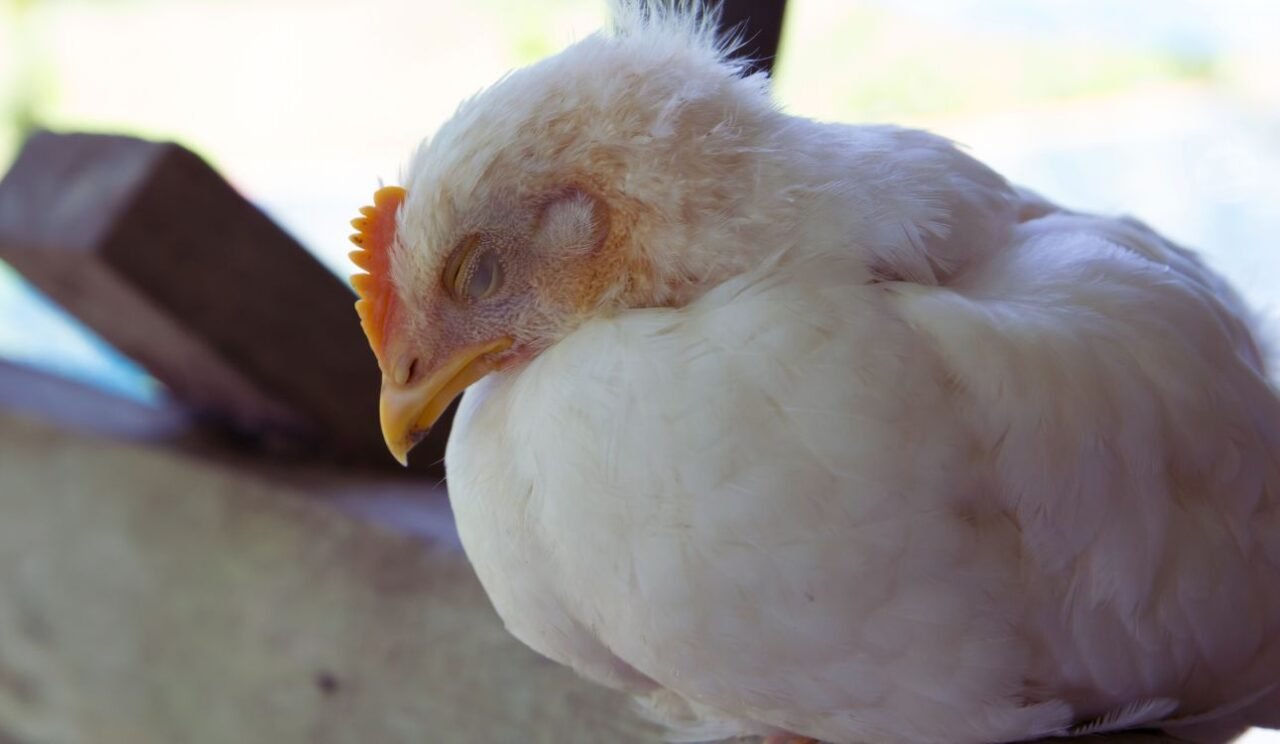
In a development that could have significant global trade and economic implications, an outbreak of bird flu has been confirmed in Georgia, the United States’ largest chicken-producing state. The case, involving a flock of 45,500 breeder chickens in Elbert County near the South Carolina border, marks Georgia’s first confirmed instance in a commercial poultry operation, according to the U.S. Department of Agriculture (USDA). The outbreak is expected to trigger trade restrictions from key international importers, raising concerns over the economic fallout for farmers and processors. Industry leaders have warned that these restrictions could significantly harm local economies reliant on poultry exports. According to the USA Poultry & Egg Export Council, initial export losses could reach $34 million. Mexico, the largest importer of U.S. poultry, is anticipated to suspend purchases from Georgia for up to four weeks before limiting the ban to Elbert County. Meanwhile, Taiwan, the third-largest importer, is expected to enforce a ban lasting six to eight months. South Korea may also impose a temporary suspension until the virus is eradicated, a process projected to take three to four months. Experts note that this outbreak underscores the vulnerability of global food systems to disease outbreaks and the need for enhanced biosecurity measures. Beyond trade, the incident serves as a stark reminder of the importance of education in agricultural resilience and preparedness. While the USDA has not commented on potential trade restrictions, the economic ripple effects of the outbreak are already being felt. This incident highlights the interconnectedness of global trade, local agriculture, and the need for innovative solutions to mitigate such crises. In a development that could have significant global trade and economic implications, an outbreak of bird flu has been confirmed in Georgia, the United States’ largest chicken-producing state. The case, involving a flock of 45,500 breeder chickens in Elbert County near the South Carolina border, marks Georgia’s first confirmed instance in a commercial poultry operation, according to the U.S. Department of Agriculture (USDA). The outbreak is expected to trigger trade restrictions from key international importers, raising concerns over the economic fallout for farmers and processors. Industry leaders have warned that these restrictions could significantly harm local economies reliant on poultry exports. According to the USA Poultry & Egg Export Council, initial export losses could reach $34 million. Mexico, the largest importer of U.S. poultry, is anticipated to suspend purchases from Georgia for up to four weeks before limiting the ban to Elbert County. Meanwhile, Taiwan, the third-largest importer, is expected to enforce a ban lasting six to eight months. South Korea may also impose a temporary suspension until the virus is eradicated, a process projected to take three to four months. Experts note that this outbreak underscores the vulnerability of global food systems to disease outbreaks and the need for enhanced biosecurity measures. Beyond trade, the incident serves as a stark reminder of the importance of education in agricultural resilience and preparedness. While the USDA has not commented on potential trade restrictions, the economic ripple effects of the outbreak are already being felt. This incident highlights the interconnectedness of global trade, local agriculture, and the need for innovative solutions to mitigate such crises.


Ifunanya Okafor22 January 2025
3-8-1280x744.jpg

4min12820
On Tuesday, Nigerian environmentalists strongly opposed the government’s plan to restart oil production in Ogoniland, urging a halt until meaningful discussions with local communities are held. Ogoniland, located in Nigeria’s Rivers State, is a hotbed of pollution in the oil-rich Niger Delta, where a $1 billion cleanup was initiated in 2018 following a 2011 United Nations Environmental Programme (UNEP) study. Over 20 environmental groups, including Environmental Rights Action/Friends of the Earth Nigeria, Health of Mother Earth Foundation, and the Ogoni Solidarity Forum, have criticized the plan, claiming it ignores the severe environmental and social damage inflicted by decades of oil extraction. In a 14-point demand issued on Tuesday, these groups condemned the government for engaging with a select few from the region, stating that this undermines efforts toward environmental justice and the comprehensive cleanup of the devastated environment. “This decision overlooks the longstanding environmental, social, and economic injustices faced by the Ogoni people, derailing sustainable development and environmental justice,” the statement read. The people of Ogoniland have a rich history of resisting oil extraction on their land. Their struggle gained international prominence in the 1990s when environmental activist Ken Saro-Wiwa and eight other Ogoni leaders were executed under the military regime of Sani Abacha. The community now demands a $1 trillion commitment for cleanup and compensation, the return of a confiscated Saro-Wiwa memorial sculpture, and full implementation of the UNEP report recommendations. “We stand in solidarity with the Ogoni people in their pursuit of justice and sustainable development,” the groups concluded. Meanwhile, an ongoing oil spill at a wellhead in Buguma community, also in Rivers State, has entered its fourth week, with no action from authorities or operators to stop the spill. Environmental Defenders Network (EDEN) and Youths and Environmental Advocacy Centre (YEAC-Nigeria) reported that residents alerted them about the spill, which has resulted in widespread pollution and a raging fire. Chima Williams, EDEN’s executive director, described the situation as an environmental crisis that has persisted for too long. “For the affected communities, the year has begun with an environmental disaster that threatens their livelihood,” he said in a statement. The state oil firm NNPC Ltd, which operates the wellhead, attributed the fire to sabotage by oil thieves attempting to steal crude. The company pledged to extinguish the blaze and mitigate the financial impact of these criminal acts. “We are committed to combating the fire and addressing the underlying issues of these attacks,” a spokesperson said. Decades of oil spills have ravaged Nigeria’s Niger Delta, causing severe environmental degradation, destroying the livelihoods of millions, and impacting the health of local communities.