Author: Tech & Tools Desk

Tech & Tools Desk13 August 2025
british-army-soldiers-in-nato-exercise-866x486-1.jpg

3min5490
A Service Inquiry has found that some soldiers at the British Army Training Unit Kenya (BATUK) continue to engage sex workers despite a formal ban introduced in 2022 to curb sexual exploitation and abuse. The two-year review, commissioned in October 2024 after an ITV investigation, examined conduct from July 2022 and concluded the practice persists at a “low to moderate” level. What the inquiry found Investigators documented 35 suspected instances of transactional sex involving BATUK personnel during the period reviewed, out of 7,666 soldiers who rotated through the Nanyuki-based camp (about 200km north of Nairobi). Twenty-six cases pre-dated force-wide training on the new rule (rolled out in November 2022), while nine occurred afterward. In most instances, allegations were not proven, but the panel warned the Army should assume activity could be at the upper end of “low to moderate.” The inquiry assessed compliance with JSP 769, which prohibits soldiers from paying for sex overseas. It credited measures such as mandatory training and supervised “sharkwatch” patrols—senior NCOs accompanying junior troops on nights out—but urged tougher enforcement, including easier dismissal for proven breaches and additional training. Army response UK Chief of the General Staff Gen Sir Roly Walker called sexual exploitation “at complete odds” with Army values: “It should not be happening at all.” The Army said it would implement the report’s recommendations. Separately, the Foreign, Commonwealth & Development Office told the BBC that fewer than five new allegations, arising after the inquiry concluded, are under investigation. Wider context and scrutiny BATUK’s presence has faced persistent controversy, sharpened by the 2012 death of Agnes Wanjiru, a local woman whose killing has been linked in media reports to a British soldier. Kenyan lawmakers are also probing broader allegations—injuries attributed to training activities and claims that some soldiers fathered children with Kenyan women and left them unsupported. In June 2025, a soldier was repatriated to the UK after a rape allegation. While the inquiry says the situation is not “out of control,” it stresses reputational risk, community harm, and duty-of-care obligations. The test for the Army now is translating policy into credible deterrence—and rebuilding trust with local communities who host the training mission.


Tech & Tools Desk12 August 2025
Raye_Sowore_merged_side_by_side_3200w-1280x528.png

1min3990
Human rights activist and former presidential candidate Omoyele Sowore on Tuesday led a protest to the NYSC headquarters in Abuja to demand the release of the discharge certificate for corps member Ushie Rita Uguamaye (“Raye”). He was joined by activists including Inibehe Effiong, Raye’s lawyer. Sowore, who announced the action on X, said the goal was to ensure Raye receives her certificate after completing service. Raye had alleged the NYSC withheld it because she criticised the Tinubu administration. The NYSC denies the claim, saying Raye missed the mandatory April 2025 biometric clearance, resulting in a two-month service extension under NYSC Bye-Laws. The scheme added she is one of 131 corps members whose certificates were withheld for disciplinary reasons, stressing the measure is standard and not targeted. In response, Sowore vowed to pursue “justice” for Raye and insisted the decision would be challenged.

Tech & Tools Desk12 August 2025
European-Leaders.jpg

4min6010
Two days before a planned US–Russia summit on Ukraine in Alaska, 26 of the EU’s 27 leaders warned against any attempt to change Ukraine’s borders through force, affirming that “the people of Ukraine must have the freedom to decide their future” and that “territorial integrity” must be upheld. Hungary’s prime minister, Viktor Orbán, did not sign. The declaration reflects European unease over Moscow’s actions and the potential spillover for regional security—concerns felt most acutely by countries bordering Russia or with memories of Soviet occupation. In recent years, Sweden and Finland have joined NATO, Baltic states have restored conscription, and Poland has earmarked billions for a barrier along its frontier with Russia. EU capitals insist that legal recognition of territory seized by force is unacceptable. Still, debate is growing over whether some areas now under Russian control may not return to Kyiv’s authority. US President Donald Trump has said any peace deal would involve “some swapping of territories,” potentially granting Russia the entire Donbas and allowing it to keep Crimea, in exchange for relinquishing control of the Kherson and Zaporizhzhia regions it partly occupies. NATO chief Mark Rutte recently acknowledged that some Ukrainian territory might remain under Russia’s de facto control but stressed there should be no formal recognition. The European leaders’ statement argued that “Russia’s war of aggression against Ukraine has wider implications for European and international security” and called for a “just and lasting peace.” It reiterated that Ukraine must be able to “defend itself effectively,” pledging continued military support as Kyiv exercises its inherent right of self-defence. The EU also reaffirmed Ukraine’s right to choose its own path and vowed to keep backing its bid for EU membership. A note at the bottom of the declaration stated that “Hungary does not associate itself with this statement.” Orbán, posting on social media, said he withheld support because the text sought to lay down conditions for a meeting to which the EU was not invited, and cautioned against “providing instructions from the bench.” He also urged the EU to organise its own talks with Russia—moves EU leaders have avoided since the full-scale invasion began in February 2022. Trump said on Monday that he had asked Orbán about Ukraine’s chances of defeating Russia militarily. “He looked at me like, ‘What a stupid question’,” Trump recounted, implying Orbán believed Russia would keep fighting until it prevailed. EU leaders are due to meet Trump on Wednesday, aiming to keep Europe’s security and Ukraine’s interests front and centre amid fears that any eventual settlement could be neither “just” nor “lasting.” Trump and Russian President Vladimir Putin are then expected to meet in Alaska on Friday.

Tech & Tools Desk11 August 2025
EasyJet-April-9-min-1280x876.jpg

2min10600
EasyJet has suspended a pilot and opened an internal investigation after reports that the crew member was seen “drunk and naked” while off duty at a hotel. The airline said the pilot was “immediately removed from duty” once managers were alerted, reiterating its zero-tolerance policy on alcohol and substance misuse. “Safety is our highest priority,” the carrier noted, declining further comment while inquiries continue. Key details remain unclear, including the exact location and timing of the incident or whether the pilot had been rostered for flying duties nearby. There is no indication so far that flight safety was compromised. Under UK Civil Aviation Authority and European regulations, flight crews face strict limits on alcohol consumption, mandatory “bottle-to-throttle” intervals and random testing. Breaches can lead to disciplinary measures, licence suspension or revocation, and potential criminal charges. According to a newspaper report, hotel guests around 02:30 local time saw the pilot enter the reception area unclothed before moving to the gym and spa. An airline source quoted by the paper alleged the pilot smelled strongly of alcohol. The pilot had been scheduled to operate a return service to London Gatwick on 6 August but was stood down and replaced. An easyJet spokesperson said the pilot was removed from duty “in line with our procedures” pending the outcome of the investigation. The airline’s code of business ethics requires staff to act with integrity toward colleagues, customers, partners and local communities.

Tech & Tools Desk11 August 2025
Putin-1.png

2min3730
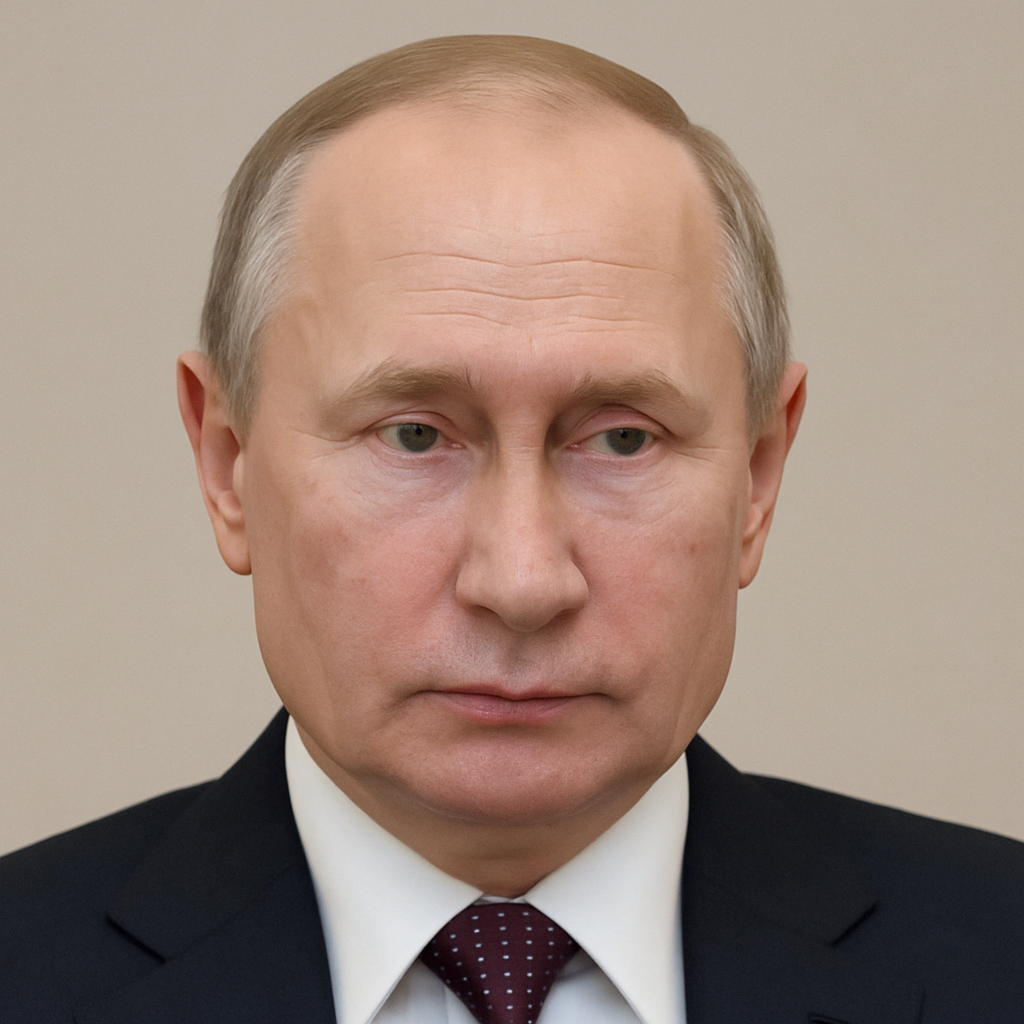
Dmitry Kozak, a deputy head of the Russian presidential administration and a longtime ally of Vladimir Putin, has urged the Kremlin leader to halt the war in Ukraine and open peace talks, according to a New York Times report cited by multiple outlets. Kozak, who privately opposed the full-scale invasion from the outset, recently presented Putin with a proposal to stop the fighting, the reports say. Kozak also pushed for domestic reforms, including stronger civilian oversight of Russia’s powerful security services and establishing a more independent judiciary, sources told the newspaper. He is described as one of the few senior officials in Putin’s circle who voices disagreement with the war in private, even as he avoids public criticism. The stance has reportedly diminished Kozak’s influence at court, with parts of his portfolio shifting to First Deputy Chief of Staff Sergei Kiriyenko, who has overseen Moscow’s management of occupied Ukrainian territories. Nonetheless, Kozak is believed to retain some access to the president. Context: Talks push ahead of Alaska summit The disclosures land days before a planned meeting between U.S. President Donald Trump and Putin in Alaska on Aug. 15, where Ukraine is expected to be a central topic. Washington has left open the possibility of a three-way format that includes Ukrainian President Volodymyr Zelensky, though Kyiv’s participation remains uncertain. European leaders and Kyiv have insisted Ukraine must be at the table for any talks shaping a potential settlement.

Tech & Tools Desk10 August 2025
Israel-1.jpg

4min4530
TEL AVIV/JERUSALEM — Thousands of Israelis rallied nationwide to oppose the government’s plan to widen military operations in Gaza, warning it could endanger hostages still held in the enclave. On Friday, Israel’s security cabinet approved five principles for ending the war, including “taking security control” of the Gaza Strip. The Israel Defense Forces said it would “prepare for taking control” of Gaza City. Families of some 50 hostages — about 20 believed to be alive — urged the government to prioritise a deal for their release. “Expanding the fighting endangers the hostages and the soldiers — the people of Israel are not willing to risk them,” said a group representing hostage families on X. Prime Minister Benjamin Netanyahu rejected the criticism, arguing the plan “will help free our hostages.” At a Jerusalem rally, one protester, Shakha, told the BBC: “We want the war to end because our hostages are dying there… If it needs to stop the war, we’ll stop the war.” Former combat soldier Max Kresch said he now refuses to serve, adding that “over 350 soldiers who served during the war” are also declining to continue. The Times of Israel reported that families of hostages and soldiers demonstrated near IDF headquarters in Tel Aviv, calling on troops to refuse participation in any expanded operation. A mother of a hostage urged a nationwide strike, though the main labour federation declined to back it, the outlet said. Israeli media also reported that the army’s Chief of Staff, Lt Gen Eyal Zamir, warned the prime minister that a full occupation of Gaza would be “walking into a trap” and could further imperil the remaining hostages. Polling indicates most Israelis favour a deal with Hamas to free the hostages and end the war. Earlier this week, Netanyahu told Fox News Israel planned to occupy the entire Gaza Strip and later hand it “to Arab forces.” On Friday he wrote on X: “We are not going to occupy Gaza — we are going to free Gaza from Hamas… This will help free our hostages and ensure Gaza does not pose a threat to Israel in the future.” The cabinet’s five “principles” Disarm Hamas Return all hostages Demilitarise the Gaza Strip Take security control of the territory Establish an “alternative civil administration” that is neither Hamas nor the Palestinian Authority The United Nations warned that a complete military takeover of Gaza City could have “catastrophic consequences” for civilians and hostages. Up to one million Palestinians live in Gaza City, which was the enclave’s most populous area before the war. Several Western governments, including the UK, France and Canada, condemned Israel’s decision, while Germany said it would halt military exports to Israel. The UN Security Council is due to meet Sunday to discuss the plan. Israel launched its offensive after the Hamas-led 7 October 2023 attacks, in which about 1,200 people were killed and 251 taken hostage. Since then, more than 61,300 people have been killed in Gaza by Israeli operations, according to the Hamas-run health ministry.

Tech & Tools Desk9 August 2025
Dave.png

2min4040
Afrobeats superstar David Adeleke, popularly known as Davido, says preparations for his upcoming white wedding to wife Chioma Adeleke have already cost $3.7 million in cash. “We’ve spent $3.7 million cash. So, you should know what we are doing. It’s going to be crazy,” the 32-year-old singer declared in a viral video. The Miami, Florida, celebration—budgeted at roughly N4 billion—will be the couple’s third wedding ceremony, following their court wedding in November 2022 and traditional wedding in Lagos in June 2024. Davido has called it “the greatest white wedding ever witnessed in the history of mankind,” with guests expected from around the globe, including VIPs and political figures. The pair, who first got engaged in 2019, have weathered relationship challenges, a tragic loss of their first son in 2022, and later welcomed twins in October 2023. The Miami ceremony, originally planned for August, is now set for this weekend. Guests will include Osun State Governor Ademola Adeleke, Davido’s uncle, whose attendance has drawn political commentary. Not all reactions have been celebratory—Ossai Success Ovie, a media aide to the Delta State governor, criticised the overseas wedding as “a waste of money,” arguing that such spending was unnecessary after last year’s lavish traditional event. Adding to the extravagance, Davido revealed that Chioma’s wedding ring is worth the equivalent of “two or three Rolls-Royce cars,” potentially valued between $700,000 and over $1 million. With luxury décor, premium entertainment, and top-tier hospitality planned, “Chivido 2025” is already making waves as one of the most expensive celebrity weddings in Nigerian history, further cementing Davido’s flair for headline-making celebrations.

Tech & Tools Desk9 August 2025
Iswrael-1280x853.png

2min4640
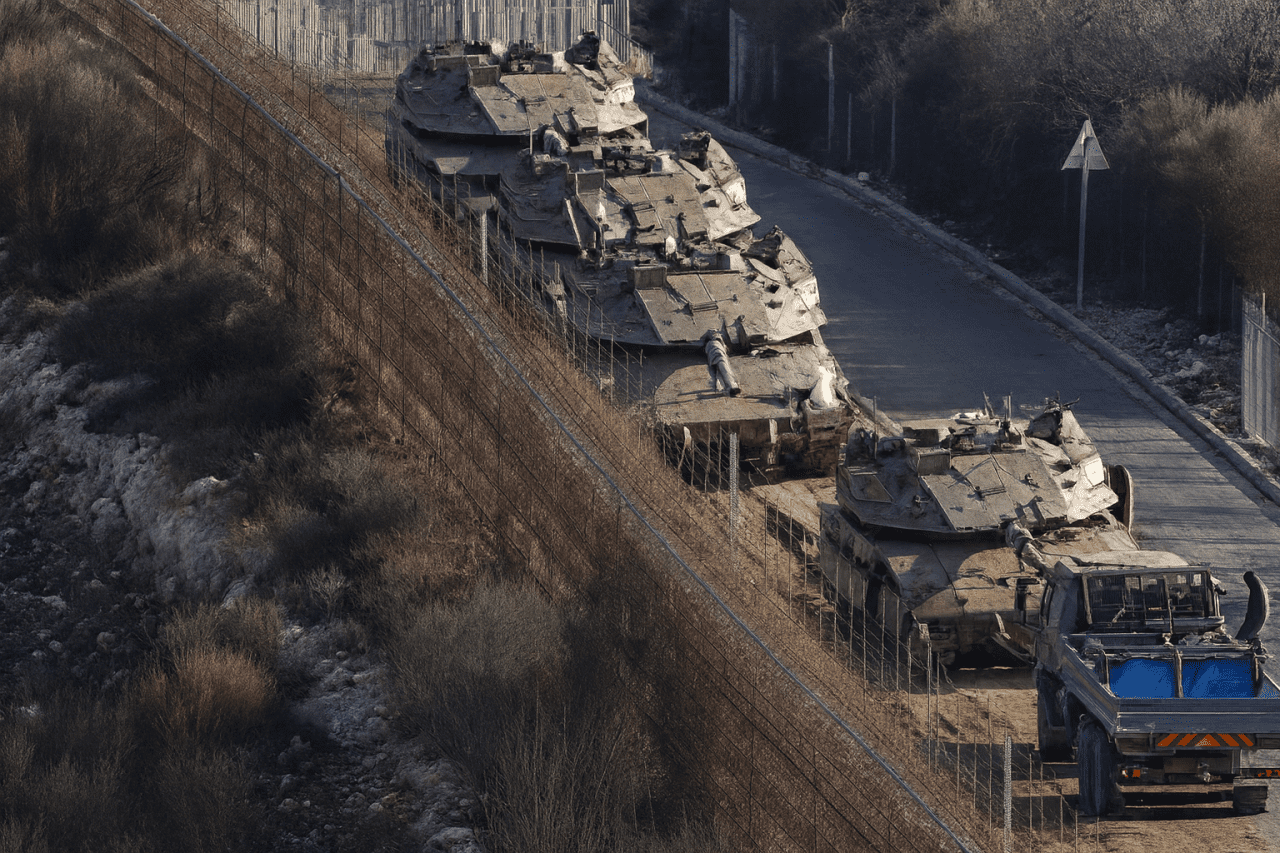
New satellite imagery appears to show Israel amassing troops and supplies close to its border with Gaza, NBC reported, citing unnamed sources who suggested the buildup could signal an imminent ground invasion. The development follows Israel’s security cabinet decision early Friday to seek control of Gaza City, according to The New York Times. The move came a day after Prime Minister Benjamin Netanyahu declared his intention for Israel to control Gaza—home to the Hamas fighters who launched the Oct. 7, 2023 attacks that killed and kidnapped Israeli civilians. Under the approved plan, Israel aims to defeat Hamas while providing humanitarian aid to civilians “outside the combat zones,” Netanyahu’s office said. However, the decision has drawn sharp criticism. Opposition Leader Yair Lapid called it “a disaster that will lead to many more disasters” and claimed it contradicts the advice of Israel’s military and security leadership, the Times of Israel reported. The future of Gaza has also fueled tensions between Netanyahu and U.S. President Donald Trump. NBC reported that during a call last month, Trump clashed with Netanyahu over the humanitarian situation in Gaza. While Netanyahu dismissed reports of starvation as Hamas propaganda, Trump allegedly interrupted and raised his voice, insisting that his aides had confirmed severe hunger in the enclave. A former U.S. official familiar with the call described it as “a direct, mostly one-way conversation about the status of humanitarian aid,” with Trump “doing most of the talking.” The official noted that Washington feels a strong sense of responsibility “because of GHF,” referring to the Gaza Humanitarian Fund. When asked on Tuesday about a possible Israeli occupation of Gaza, Trump replied, “I really can’t say. That’s going to be pretty much up to Israel.”

Tech & Tools Desk8 August 2025
amos_dangut_landscape_800x450.jpg

2min22830
The West African Examinations Council (WAEC) has updated the 2025 WASSCE results for school candidates in Nigeria after uncovering a grading error, raising the share of candidates with credits in at least five core subjects—including English Language and Mathematics—from 38.32% to 62.96%. Announcing the correction at a press briefing on Friday, Dr. Amos Dangut, Head of WAEC’s Nigeria National Office, said the issue was detected during an internal post-examination review. He clarified that schools that used the Computer-Based Test (CBT) mode were not affected. Updated statistics Five credits including English & Maths: 1,239,884 candidates (62.96%), up from the previously announced 38.32%. Five credits with or without English & Maths: 1,794,821 candidates (91.14%). Results withheld for alleged malpractice: 191,053 candidates (9.7%) pending investigation. Background WAEC initially released the results on August 4, 2025, for 1,969,313 candidates (976,787 males; 992,526 females). Earlier figures showed 38.32% achieved five credits including English and Mathematics, and 87.24% secured five credits irrespective of subject combination, with 192,089 results (9.75%) withheld for suspected malpractice. The Council later found technical errors in Mathematics, English Language, Biology, and Economics caused by a wrong serialised code file used during printing, prompting a comprehensive review. Apology and next steps Dr. Dangut apologized for the distress caused and said WAEC is taking steps to prevent a recurrence. Candidates are advised to re-check their results via waecdirect.org. Digital certificates will be available 48 hours after result confirmation. WAEC also urged indebted state governments to settle outstanding payments so affected students’ results can be released.

Tech & Tools Desk8 August 2025
Gaza_sharpened.png

4min5290
In a significant escalation of the ongoing conflict, Israel’s security cabinet has approved a plan to take control of Gaza City, marking a sharp intensification of its military operations. The decision, made on August 8, 2025, follows an overnight meeting and comes as Israeli forces prepare for a ground offensive aimed at dismantling Hamas’s military and governing infrastructure in the region. Under the new plan, Israel intends to evacuate approximately 800,000 Palestinians from Gaza City by October 7, 2025. The military offensive will focus on eliminating the remaining Hamas militants entrenched in the city, a move that has sparked widespread international criticism. Israeli Prime Minister Benjamin Netanyahu has indicated that while Israel does not seek to permanently govern Gaza, it plans to establish a security perimeter to prevent further attacks. Netanyahu also suggested that control of Gaza could eventually be transferred to Arab forces, although the specifics of this transition remain unclear. International Outcry The Israeli move has been condemned by various global entities. The UN High Commissioner for Human Rights, Volker Turk, called for an immediate halt to the takeover, asserting that the military action violated international law and undermined efforts for a two-state solution. Turk’s statement echoed similar criticisms from international bodies such as Turkey and China, which warned of severe humanitarian consequences and urged Israel to cease its military actions. The United Kingdom’s Prime Minister, Keir Starmer, has also joined the chorus of voices denouncing the escalation. Starmer labeled Israel’s decision as “wrong,” emphasizing that the military action would not lead to the release of hostages or peace, but would only result in further bloodshed. He reiterated the need for a ceasefire and a negotiated settlement, advocating for increased humanitarian aid and a two-state solution to the conflict. Humanitarian Concerns The humanitarian impact of Israel’s actions is a growing concern. NiHSA, the humanitarian services agency, warns that over 832 communities are at risk of flooding, displacement, and destruction due to the continued escalation of violence. Further, the move threatens to disrupt over 100 major transportation routes, complicating efforts to deliver aid to affected populations. The UN has raised alarms about the risk of further destabilization in the region, particularly among displaced civilians. Military Risks and Hostage Situations The Israeli military has expressed concerns over the potential risks of escalating operations, warning that expanding the offensive could endanger the lives of hostages held by Hamas and exacerbate instability in the region. Despite these warnings, the security cabinet has proceeded with the plan, citing the need to dismantle Hamas’s operations in Gaza. Continued Monitoring and Global Response As the situation unfolds, the international community remains on high alert. Calls for a ceasefire and diplomatic intervention are mounting as global powers urge Israel to reconsider its strategy. With the potential for further escalation and civilian suffering, the world’s focus remains on Gaza, hoping for a peaceful resolution to one of the longest-standing conflicts in modern history.