Author: Tech & Tools Desk

Tech & Tools Desk26 June 2025
ise-1280x853.jpeg

4min3910
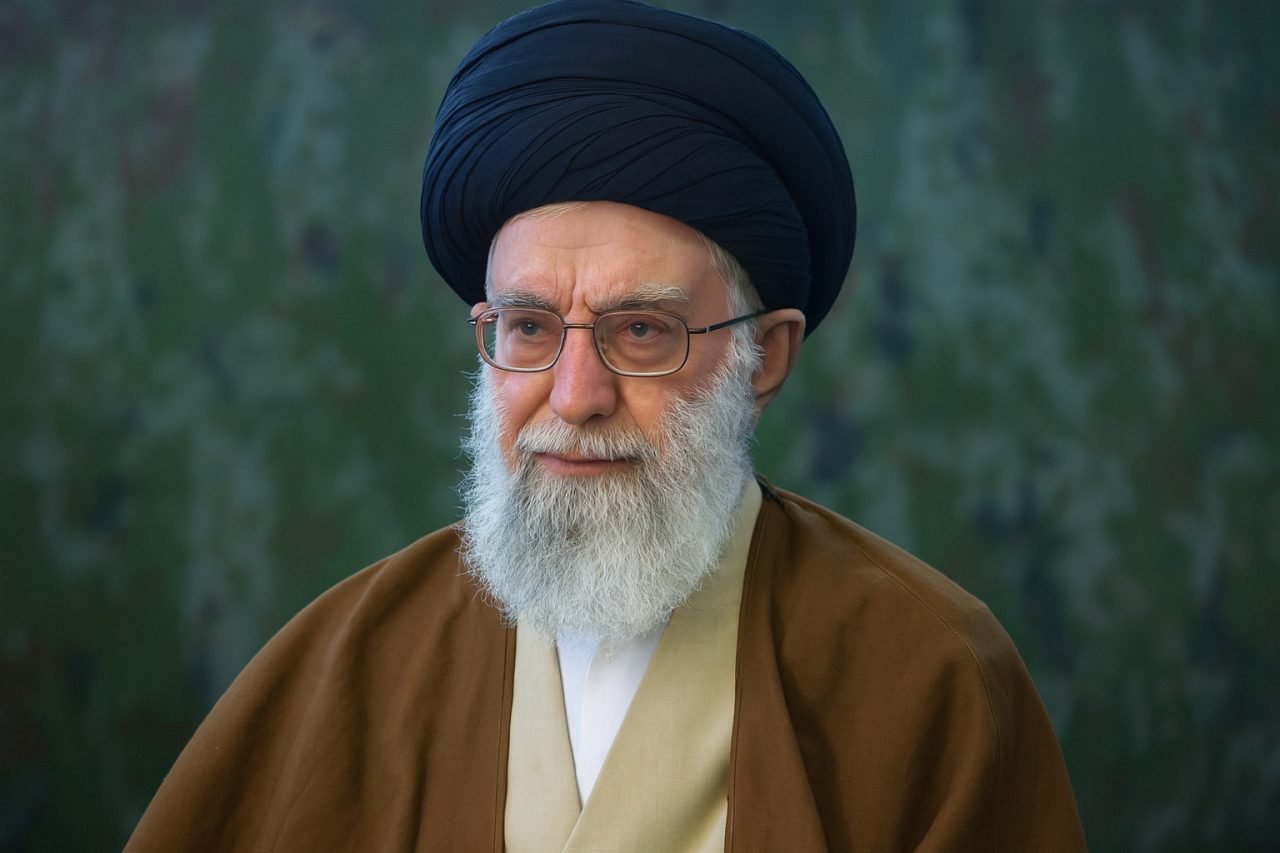
Iran has executed three men accused of spying for Israel, bringing the total number of espionage-related executions during the latest conflict to six, according to state media. The men were charged with smuggling “assassination tools” and assisting sabotage operations against key Iranian infrastructure. These executions are part of a sweeping crackdown that has seen more than 700 people arrested within just 12 days. The arrests and executions follow a ceasefire that ended nearly two weeks of heavy drone and missile exchanges between Iran and Israel. Although direct clashes have paused, Tehran continues its aggressive hunt for alleged Israeli collaborators, highlighting its determination to dismantle what it claims is a vast espionage network operating within its borders. Why It Matters The wave of arrests has revealed the extent of Israel’s alleged penetration into Iranian territory. According to Iranian officials, Israeli operatives supported by local collaborators enabled targeted assassinations and precision strikes during the recent hostilities. The revelations suggest Israel’s intelligence agencies are increasingly capable of operating within Iran, aided by deeply embedded informants. Key Details Iranian authorities report that many of those arrested or executed are from ethnic minority communities, particularly Kurds and Azeris living near Iran’s western and northwestern borders. State media alleges that Israeli intelligence exploits these groups’ economic hardships and local expertise to recruit operatives. These recruits reportedly use encrypted messaging platforms and cryptocurrency to relay sensitive military and nuclear information, making detection more difficult for Iranian authorities. Training and External Support Some of the arrested individuals are accused of supplying intelligence that enabled Israeli drone and missile strikes on Iranian targets. According to Fars News, several operatives allegedly received training abroad in countries like Georgia and Nepal, facilitated by Israeli intelligence. Tehran has also accused Iranian expatriates and dissident groups sympathetic to Israel of providing logistical, financial, and communication support to the spy network. A recent Economist report claims Israel’s multi-year, high-tech espionage campaign reportedly involving Mossad agents posing as foreign nationals has been central to gathering intelligence on Iran’s advancing nuclear and missile programs. The report also alleges covert support from U.S. intelligence agencies. Human Rights Concerns Human rights groups, including Amnesty International, have strongly condemned the Iranian government’s expanding crackdown in the wake of the ceasefire. They accuse Tehran of using the conflict as a pretext to intensify repression, raising concerns about coerced confessions, lack of fair trials, and an increase in executions. Rights advocates are calling for transparent investigations and proper judicial oversight, warning that the current wave of arrests and executions risks further destabilizing Iran’s already fragile situation. Voices from Both Sides Amnesty International: “Iran must immediately halt plans for arbitrary executions and ensure the protection of all individuals detained over alleged espionage for Israel. The risk of enforced disappearances, torture, and other ill-treatment is deeply concerning.” Fars News Agency (Iranian State Media): “Since the beginning of the Zionist regime’s assault on Iran, Israel’s spy network has been operating extensively within our borders.” What’s Next As Iran moves to tighten internal security in the aftermath of the conflict, the unresolved tension between national security measures and human rights obligations remains at the forefront. The international community continues to monitor the situation closely as Iran’s spy crisis shows no sign of easing.
Tech & Tools Desk23 June 2025
ar-1280x853.jpeg

4min5630
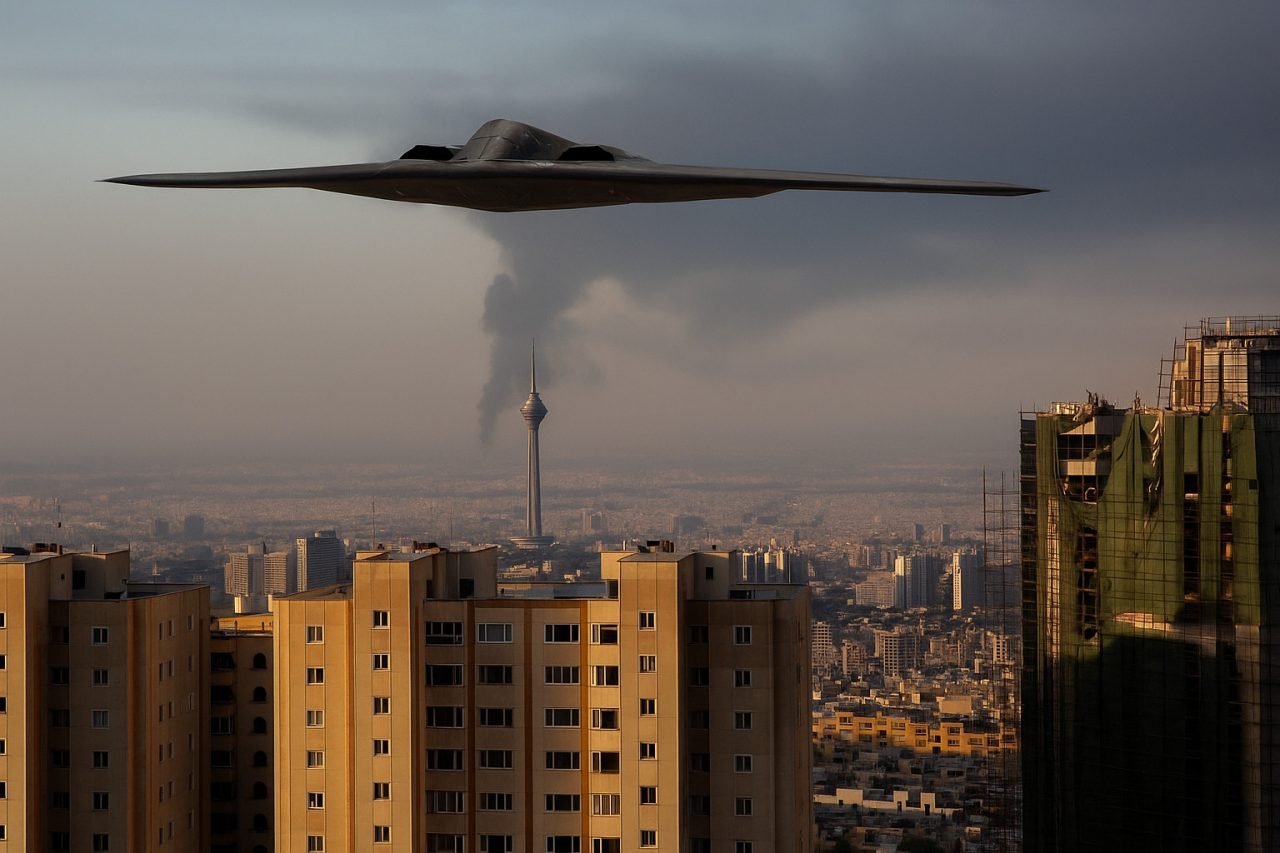
Iran Vows Retaliation Iranian military officials and lawmakers have vowed that the United States will face consequences for its strikes on Iran’s nuclear facilities. Meanwhile, US President Donald Trump, in a social media post on Sunday, hinted at the possibility of regime change in Iran. So far, Iran’s Supreme Leader, Ayatollah Ali Khamenei, has not made any public statement. UN Nuclear Watchdog Confirms Likely Damage to Fordow The head of the International Atomic Energy Agency (IAEA), Rafael Grossi, has confirmed that the US bombing likely caused “very significant damage” to underground sections of Iran’s Fordow nuclear site, which is buried deep inside a mountain. “Given the explosive payload utilized and the vibration-sensitive nature of centrifuges, significant damage is expected,” Grossi told the IAEA board on Monday. However, Grossi added that no independent group, including the IAEA, has been able to fully assess the underground damage at this time. The US conducted the strike early Sunday morning, deploying six B-2 bombers that dropped 12 bunker-buster bombs, each weighing approximately 30,000 pounds. Iran-Israel Conflict Enters 11th Day The conflict between Iran and Israel has entered its 11th day, with both nations continuing to exchange strikes. Israel’s Defense Minister, Yoav Gallant, confirmed that Israel carried out airstrikes targeting “the heart of Tehran.” Multiple missile attacks were also reported across Israeli territory following retaliatory Iranian strikes. Fordow Nuclear Site Targeted Again Iran’s Fordow nuclear facility has reportedly been struck again, according to Iranian state-linked media. The spokesperson for Qom Province, where the site is located, confirmed the incident and attributed the attack to Israel. “There is no danger or threat to citizens,” the spokesperson assured, while noting that Fordow remains one of Iran’s most fortified nuclear sites, built deep inside a mountain to shield it from airstrikes. The US had already targeted Fordow as part of its strikes on three key Iranian nuclear sites over the weekend. Israeli Strikes Hit Northern Tehran Major Israeli airstrikes reportedly hit northern Tehran on Monday, with state media and eyewitnesses confirming impacts across the capital city. According to reports, the strikes hit Jordan Street, a densely populated, affluent district in northern Tehran, leaving multiple impact zones. “It appears they hit a commercial area heavily I saw at least eight different plumes of smoke,” one resident said. Israel’s Defense Minister stated that Israeli forces are “striking regime targets” in Tehran with “unprecedented force,” adding that any attack on Israel will be met with severe retaliation. Among the reported targets was Shahid Beheshti University, located in northern Tehran, according to state-affiliated media. Power Outages in Southern Israel After Iranian Strikes A wave of Iranian missile attacks disrupted electricity supply to several communities in southern Israel on Monday. Israel’s electricity company confirmed that strikes hit near a key infrastructure facility, resulting in power outages affecting approximately 8,000 homes. The Energy Ministry said power is expected to be restored within three hours, with repair teams already working at the affected sites in coordination with security forces.

Tech & Tools Desk23 June 2025
nig-1-1280x853.jpeg

3min11770
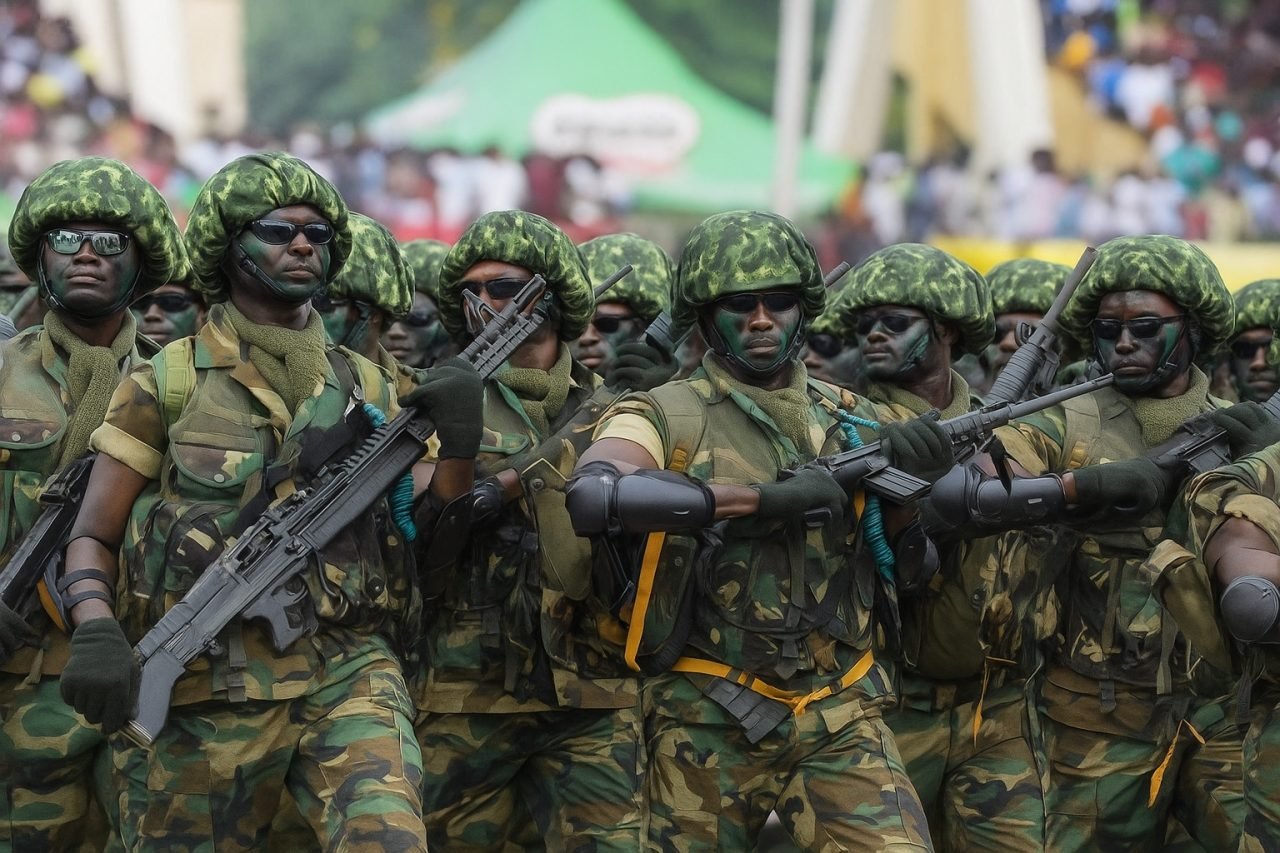
Nigeria has been ranked as the third most powerful military force in Africa, according to the 2025 Global Firepower Military Strength Index. The ranking, published in Global Firepower’s latest report and cited by PUNCH Online on Monday, highlights Nigeria’s growing military capabilities and strategic investments. The Global Firepower Index assesses the military strength of 145 countries worldwide using over 60 indicators, including personnel numbers, equipment, defense budgets, logistics, and geographic factors. In Africa, Egypt retains its position as the continent’s top military power, followed by Algeria in second place. Nigeria’s rise to third reflects increased investments in military hardware, personnel development, and counter-insurgency operations. South Africa and Ethiopia round out the continent’s top five. Africa’s Top 30 Military Powers – 2025 Global Firepower Rankings The numbers in brackets represent each country’s global ranking out of 145. Egypt (19) Algeria (26) Nigeria (31) South Africa (40) Ethiopia (52) Angola (56) Morocco (59) Democratic Republic of the Congo (66) Sudan (73) Libya (76) Kenya (83) Chad (84) Mozambique (89) Tunisia (90) Tanzania (92) Cameroon (93) Ivory Coast (102) Mali (104) Zambia (109) Ghana (110) Zimbabwe (111) South Sudan (113) Uganda (114) Namibia (116) Niger (119) Eritrea (120) Republic of the Congo (121) Botswana (122) Mauritania (123) Senegal (125) Further down the list, Benin ranks 38th in Africa and 144th globally. Nigeria’s improved position reflects a sustained focus on enhancing its military strength through personnel training, equipment acquisition, and strategic defense initiatives, particularly in the fight against terrorism and internal security challenges