Author: Lifestyle & Wellness Desk

TeenEagle_sharpened.jpg

1min5140
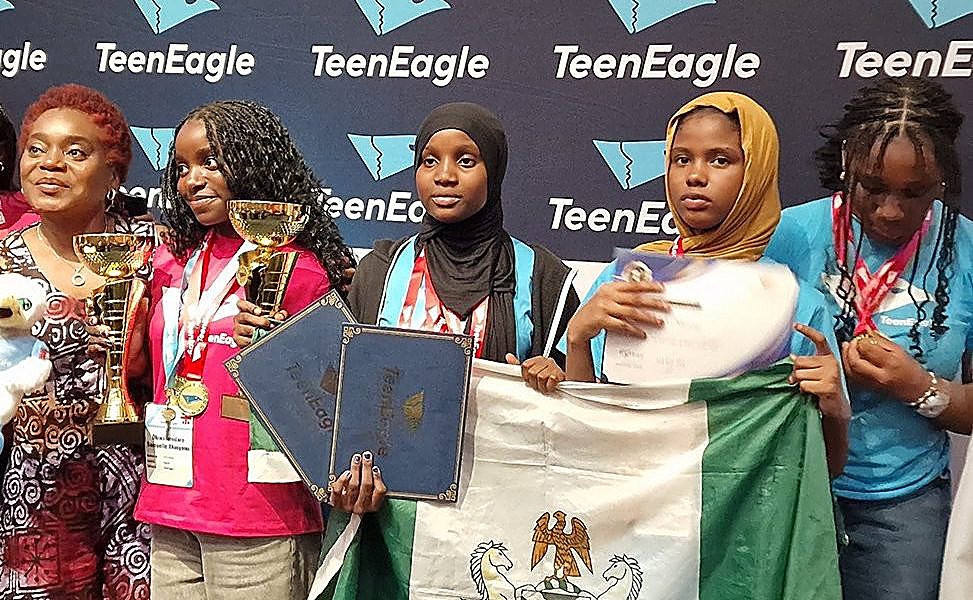
The Atiku Abubakar Foundation has awarded fully-funded scholarships to three Nigerian students—Nafisa Abdullahi, Rukaiya Fema, and Khadija Kalli—in recognition of their outstanding performances at the TeenEagle Global Finals. The teenagers secured top positions in various categories at the prestigious international academic competition, earning accolades for what the Foundation called their “exceptional success.” In a letter dated August 5, 2025, and signed by the Acting Secretary of the Foundation, Prof. Ahmadu Shehu, the students were praised for emerging as global winners at the event. “The Atiku Abubakar Foundation is thrilled to acknowledge your remarkable achievements at the TeenEagle Global Finals, where you emerged victorious in various categories of the competition,” the letter read. Among the recipients is 17-year-old Nafisa Abdullahi, who received special recognition for her proficiency in the English language, critical thinking, and articulate presentation skills—all of which helped her excel over contestants from 69 countries.

IMG-20250802-WA0008.jpg

2min3060
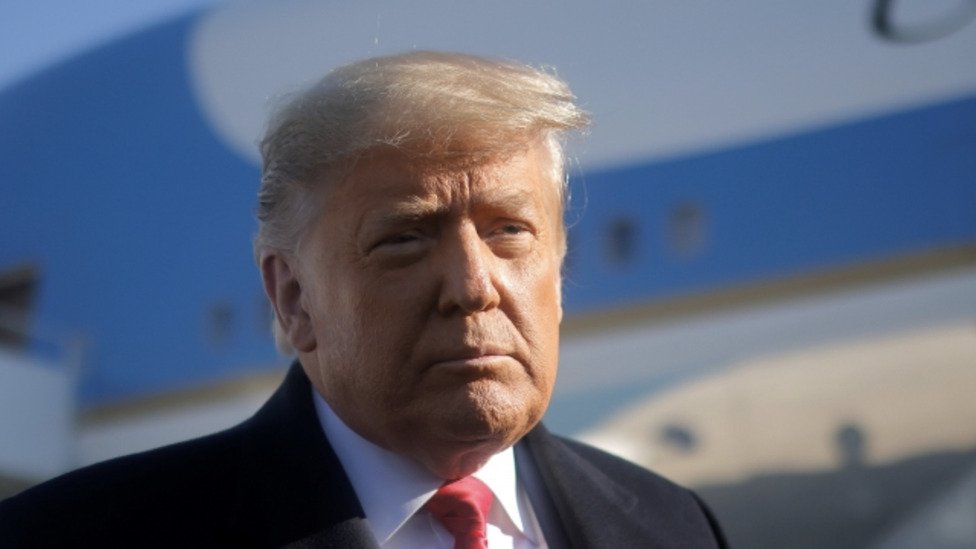
A federal judge has issued a nationwide injunction blocking former President Donald Trump’s executive order that sought to end birthright citizenship for children born in the United States to parents who are in the country illegally or temporarily. U.S. District Judge Deborah Boardman ruled that the order likely violated the 14th Amendment of the U.S. Constitution, which guarantees citizenship to all persons born or naturalized in the United States and subject to its jurisdiction. This marks the fourth ruling by federal judges against Trump’s controversial policy. Previous decisions by other courts had also blocked the executive order, which was seen as a significant attempt by the former administration to limit citizenship rights for children born to undocumented immigrants. Judge Boardman’s ruling applies to children born in the U.S. after February 19, 2025, who would have been affected by the executive order. This decision comes despite the Supreme Court’s June 2025 ruling, which limited the ability of lower courts to issue nationwide injunctions, allowing for exceptions in class-action cases. Trump’s administration had argued that the 14th Amendment did not guarantee birthright citizenship for the children of undocumented or temporary immigrants. However, courts have consistently ruled that the Citizenship Clause of the 14th Amendment applies broadly, including to children in the categories targeted by the executive order. The legal battle surrounding the birthright citizenship order is still ongoing, with the possibility of further appeals. As of now, the nationwide injunction remains in effect, preserving the current status of birthright citizenship in the United States. The case may ultimately reach the Supreme Court for a final decision.

Unicef-1280x853.png

3min11080
UNICEF’s Chief of Field Office in Kaduna, Gerida Birukila, has urged the private sector to implement a six-month maternity leave policy to support breastfeeding mothers. She made the appeal on Thursday during the ‘Youths Lead the Circle of Support for Breastfeeding’ event in Kaduna, which was held to mark World Breastfeeding Week. Birukila emphasized that working mothers face significant challenges in exclusively breastfeeding their babies due to workplace demands and lack of support. She stated that a six-month maternity leave would enable mothers to stay home and breastfeed their children without interruption. She further highlighted the crucial benefits of exclusive breastfeeding for six months, which can reduce infant mortality rates and significantly improve cognitive development. “Breast milk provides all the necessary nutrients for infants, boosting their immune systems and promoting healthy growth,” she said. Birukila also stressed that a well-nourished mother could offer her baby the vital nutrients needed for growth and development. She encouraged pregnant women to maintain proper nutrition, take essential supplements, attend antenatal care, and ensure they are adequately supported. The UNICEF official praised the state government for its efforts in supporting breastfeeding mothers by introducing a six-month paid maternity leave policy and establishing crèches in some Ministries, Departments, and Agencies (MDAs). These, she said, serve as best practice examples that the private sector could adopt to better support working mothers. State’s Support for Breastfeeding Mothers Nutrition Officer Ramatu Haruna highlighted the state’s initiatives for supporting breastfeeding mothers, noting that the six-month paid maternity leave policy and the establishment of crèches in MDAs allow working mothers to balance both their work and breastfeeding responsibilities. Haruna emphasized that the private sector could play a key role in promoting breastfeeding by providing paid maternity leave, flexible work arrangements, and other supportive benefits for breastfeeding mothers. Such measures, she explained, would help mothers manage both family and work commitments more effectively. Haruna also underscored the significant advantages of exclusive breastfeeding for infants, such as reducing infant mortality rates, improving cognitive development, and enhancing immune function. She encouraged employers to support working mothers by offering childcare services, flexible working hours, and other work-life balance benefits. “By providing these benefits, employers can help mothers successfully balance work and family responsibilities,” she concluded.

Bayo-Onanuga.png

3min3490
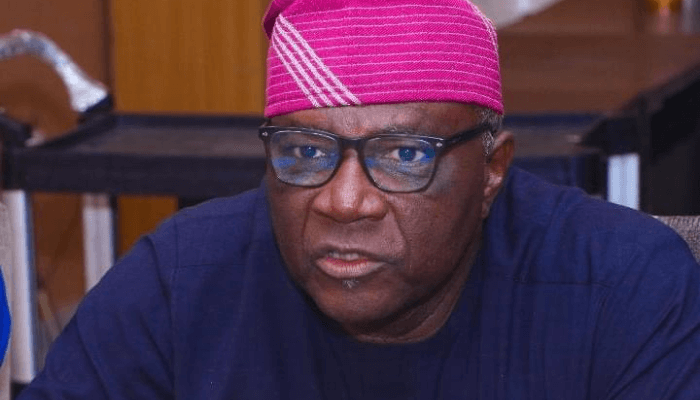
The Presidency has responded to a recent editorial by a newspaper (not The PUNCH), criticizing it as exaggerated, unbalanced, and a misrepresentation of Nigeria’s current state. In a statement on Friday, Special Adviser to President Bola Tinubu on Media and Public Communications, Sunday Dare, emphasized that while the administration welcomes constructive criticism, it must be “rooted in facts, not distortion or selective pessimism.” Dare acknowledged the economic challenges faced by some Nigerians but rejected “exaggerated pessimism and generalization” that distorts the actual situation. He asserted, “The irony is that the policies often criticized today are, in fact, those that will secure a more stable, prosperous, and secure future for Nigerians.” Addressing the UNICEF-linked hunger projection mentioned by the newspaper, Dare clarified that it was based on the worst-case scenario from the Cadre Harmonisé Food and Nutrition Insecurity Analysis for the June–August 2025 lean season, not a current assessment. To prevent such a situation, Dare outlined several government actions: over 42,000 metric tons of grains released from federal strategic reserves, additional procurement of 117,000 metric tons, activation of the Food Security Council, and emergency nutrition support in Borno, Yobe, Adamawa, Katsina, Sokoto, and Bauchi states. Regarding the naira’s performance, Dare dismissed the “worthless naira” description, pointing out that the currency had strengthened from ₦1,800/$ in March 2024 to approximately ₦1,525/$ by August 1, 2025. He emphasized, “The naira has not collapsed—it has been corrected and is now recovering,” attributing this improvement to increased oil receipts, restored investor confidence, the unification of the FX window, and the reduction of the FX backlog by over $4bn. Dare also rejected claims that the school feeding program had “fizzled out,” highlighting that over 9.8 million children in 53,000 schools continue to benefit, along with more than 200,000 cooks and local farmers engaged nationwide. Additionally, he mentioned that three million vulnerable households have received ₦75,000 each under the Renewed Hope Conditional Cash Transfer, with plans to reach 15 million households. Over 396,000 students are also benefiting from tuition loans and stipends through NELFUND. He further highlighted the Renewed Hope Ward Development Programme, which the President recently approved. This program aims to intervene in poverty alleviation, food security, infrastructure, power, and job creation across all 8,809 wards in Nigeria. Concluding his statement, Dare said, “This administration does not ask for silence in the face of hardship. It asks only for fairness and a shared commitment to rebuilding this country, not just exaggerating its pain.”  

Sudan.jpg

2min4250
As food shortages worsen in Sudan, desperate civilians are resorting to eating animal feed, while women and girls face a “gender emergency,” UN officials warned on Thursday. The city of El Fasher, in particular, is severely affected, with hunger escalating. The Office for the Coordination of Humanitarian Affairs (OCHA) issued a warning about the deteriorating situation, which is putting more lives at risk. UN Deputy Spokesperson Farhan Haq reported the alarming food shortages at the UN Headquarters in New York, saying, “With increasingly alarming food shortages and spiralling prices, people in El Fasher are reported to be resorting to eating animal feed in what is becoming an increasingly catastrophic situation.” El Fasher is grappling with the highest cost of basic goods in the country, with households spending nearly $1,000 per month, far beyond the means of most families. Over $700 of this amount is spent solely on food, which is more than eight times the cost of basic food items elsewhere in Sudan. “These steep costs, coupled with a year-long blockade preventing aid delivery by road, have left thousands on the brink of starvation,” Haq added. Calls from the UN Secretary-General and Emergency Relief Coordinator for a pause in the fighting have become even more critical, Haq noted. Meanwhile, OCHA’s Director of Operations and Advocacy, Edem Wosornu, currently in Sudan, described the suffering as immense, with many people trapped, displaced, or returning to devastated communities. She emphasized the urgent need for unhindered access to deliver support to those on the frontlines of hardship. UN Women, the UN’s gender equality agency, also raised concerns about the disproportionate impact on women and girls. “This crisis is a gender emergency,” said Salvator Nkurunziza, the agency’s representative in Sudan. He warned that displaced women and girls are particularly vulnerable to exploitation and abuse, especially as aid is delivered in areas where protection mechanisms are weak or nonexistent.

ob-1.jpeg

3min2920
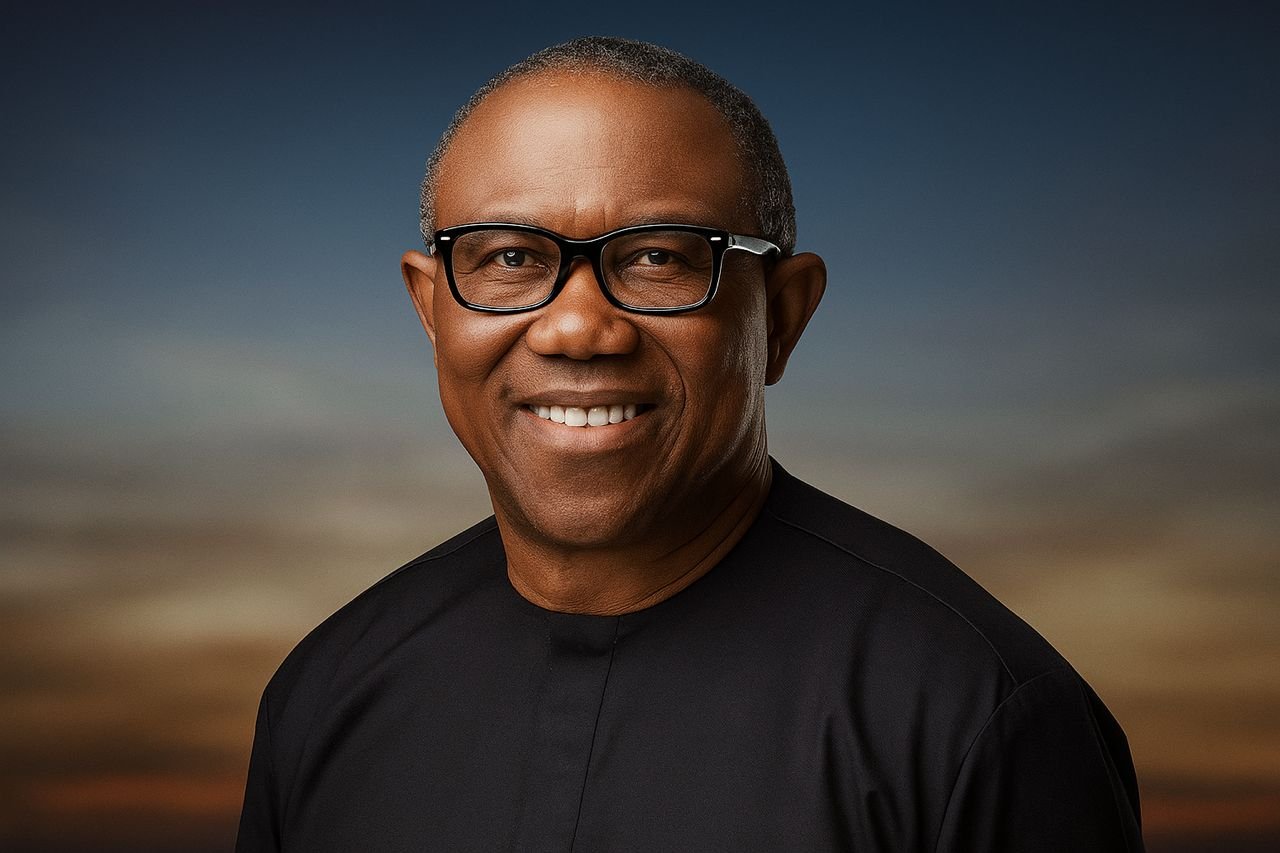
Oluchi Oparah, the former National Treasurer of the Labour Party (LP), has strongly denied claims that Peter Obi, former governor of Anambra State, misused party funds during his 2023 presidential campaign. In an interview on Channels Television Thursday, Oparah refuted allegations made by LP member Abayomi Arabambi, emphasizing that Obi independently financed his campaign and provided crucial financial assistance to the party. Oparah explained that before Obi joined the Labour Party, the party was deeply in debt and struggling to pay its employees’ salaries. According to her, Obi fulfilled all his financial obligations to the party, even making donations from his own resources. “Mr. Obi met every financial requirement expected of him and never asked the party for a single dime, unlike other political parties,” she asserted. The former treasurer also addressed the structure of campaign financing, clarifying that every candidate running for office is entitled to manage their campaign accounts independently of the party’s official funds. She pointed out that the Labour Party also maintained separate financial accounts for its operations. “Obi spent a significant amount of his own money on the Labour Party; he funded several of our programs by himself. The Labour Party was without funds, and Obi provided the necessary resources,” Oparah added during the interview. She further criticized what she described as the lack of accountability in the current administration under the All Progressives Congress (APC), urging Nigerians to focus on holding the ruling party accountable rather than attacking Obi. Oparah also challenged anyone accusing Obi of financial misconduct to present concrete evidence of such actions. “As far as I’m concerned, Mr. Obi was the only person who showed genuine interest in running under the Labour Party banner. Those making these claims should provide the specific accounts where they allegedly paid any funds to the Labour Party,” she stated. She also commended Obi for his consistent philanthropy, noting that his charitable efforts predate his presidential candidacy. “Anyone familiar with Mr. Obi knows that his charitable nature is as natural to him as breathing,” Oparah remarked, stressing, “Mr. Obi never touched party funds for his campaign.” Oparah concluded by noting that Obi’s financial contributions helped the Labour Party recover from a state of severe debt, enabling the settlement of outstanding obligations, including staff salaries.  

Tertiary-1280x853.jpg

4min3320
Stakeholders at the 2025 Business Leadership Roundtable, convened by Nubian American Advanced College (NAAC), have called for a comprehensive overhaul of Nigeria’s tertiary education sector to enhance graduate employability and better align academic programs with the evolving demands of the labour market. The event, themed “Realigning Tertiary Education for Nigeria’s Growth and Sustainable Development: A Conceptual Framework,” brought together key voices from government, academia, industry, and the international community to explore sustainable solutions to the sector’s challenges. In a statement issued Wednesday, Chairman of the occasion, Kiri Wakama, stressed the urgent need to bridge the gap between classroom learning and workplace realities. “We’re at a crossroads where education must directly respond to enterprise. It’s no longer sufficient to teach theory alone—we must embed practical experience, encourage innovation, and strengthen links between universities and industry,” Wakama said. He urged institutions to revise their curricula to meet current industry needs and collaborate more closely with employers to tackle the rising unemployment among graduates. Dr. Azhinoto Ikpah, Chief Promoter of NAAC and Chairman of the Nubian Group, highlighted the role of education as a bridge between business and society. He noted that producing work-ready graduates must be a top priority for all institutions. “Our graduates must reflect the realities of the industries they are entering. This disconnect is no longer acceptable,” he stated. Dr. Ikpah also referenced NAAC’s strategic collaboration with Johnson C. Smith University in the United States, showcasing how international partnerships can strengthen curriculum innovation, student exchange, and research outcomes. The Director-General of the Nigeria Employers’ Consultative Association (NECA), Mr. Adewale-Smatt Oyerinde, presented a policy brief on education reform and youth employability. He criticised the disconnect between academic training and labour market needs. “While UNESCO recommends a minimum of 15–20% of national budgets for education, Nigeria’s allocation in 2024 was only 5.5%. Underfunding and outdated curricula have left many of our graduates ill-equipped for the job market,” Oyerinde said. He called for reforms that embrace transnational education models and introduce curricula grounded in global best practices and labour market intelligence. Oyerinde also reaffirmed NECA’s commitment to employability initiatives, citing ongoing projects such as the NECA–ITF Technical Skills Development Project, the Employability Scheme, and the Job Creation Fair. In a compelling address, Archbishop Doye Agama presented a paper titled “Bridging the Digital Divide: Embedding Affordable Digital Skills in Nigeria’s Tertiary Education.” He advocated for integrating digital skills across all academic disciplines, rather than treating them as standalone courses. “Business students should gain hands-on experience with CRM tools and analytics platforms; engineers must engage with IoT and digital twins; arts students should master digital storytelling. Every graduate must be fluent in AI collaboration and remote working,” he argued. From a public sector perspective, Permanent Secretary of the Lagos State Ministry of Tertiary Education, Mr. Adeniran Kasali, commended the roundtable and reaffirmed the state’s efforts to drive innovation in higher education. “We’re actively repositioning our tertiary institutions to produce globally competitive graduates. That includes curriculum redesign, investment in digital teaching tools, staff training in AI, and promoting international exchange,” Kasali said. He expressed confidence that the outcomes of the roundtable would inspire concrete reforms, applauding the depth of contributions made by participants. “This engagement must translate into improved teaching quality, internationally relevant qualifications, and stronger global partnerships,” he concluded.

Ola-Olukoyede.png

2min3580
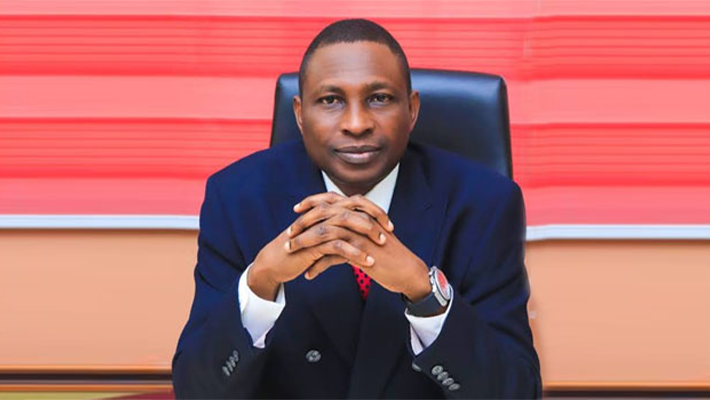
The Chairman of the Economic and Financial Crimes Commission (EFCC), Ola Olukoyede, has revealed that numerous abandoned estates in the Federal Capital Territory (FCT) are owned by civil servants who illicitly acquired public funds. Speaking on Wednesday, August 6, at a policy dialogue organised by Law Corridor, themed “Critical Issues Affecting Nigeria’s Real Estate Ecosystem,” Olukoyede stated that several of the estates have been left incomplete or deserted for over a decade. He disclosed that the EFCC has established a special task team to inspect such properties, not just in Abuja but nationwide. “I have set up the team. We will begin visiting all the estates across Nigeria. We want to identify property ownership. You would be surprised that some of these estates have been left abandoned for 10 to 20 years. The developers initiate the project, then leave it midway,” he said. “Our investigations show that many of these properties were financed by civil servants who diverted public funds. Once they exit public office and their illegal income ceases, they abandon the projects. The developers are then left seeking new investors to complete the work.” Olukoyede noted that the EFCC has recently pursued the forfeiture of at least 15 such estates and continues to receive intelligence on more cases. “Some of you in this room may even be linked to these properties. But soon, we may meet in court. We cannot reform the real estate sector while allowing such misconduct to persist. That said, we recognize that some of you operate with legitimate capital,” he added. The EFCC chairman also cautioned legal practitioners and real estate developers against aiding individuals involved in money laundering, urging them not to serve as enablers of financial crimes.

Elon-Musk-1280x720.jpg

3min4690
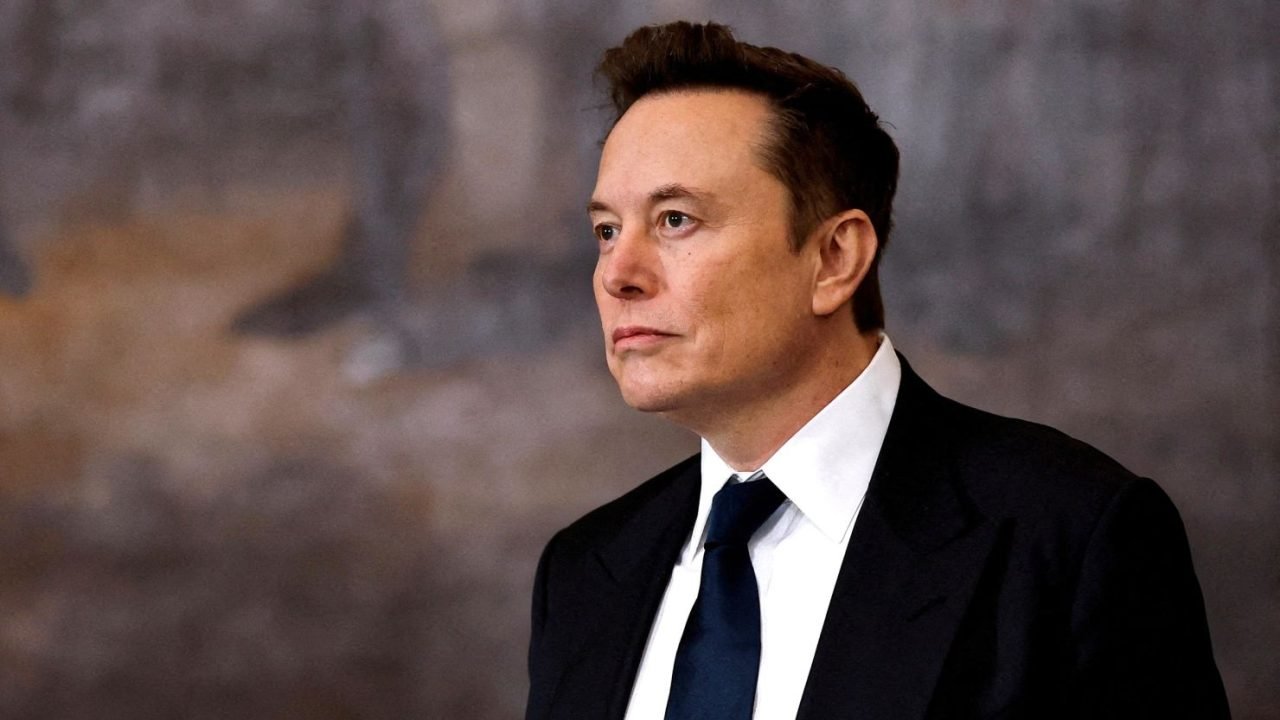
Tesla has awarded CEO Elon Musk $29 billion worth of company shares in a strategic move aimed at retaining his leadership amid heightened competition in the artificial intelligence (AI) sector. The grant follows a 2024 ruling by a Delaware court that invalidated Musk’s original 2018 compensation package—valued at over $50 billion—on grounds that it was unfair to shareholders. Musk is currently appealing that decision, which would make the $29 billion award a temporary replacement unless the court reinstates the original deal. In a statement to shareholders on Monday, Tesla expressed confidence that the new share award would motivate Musk to remain committed to the company, particularly as the global race for AI talent intensifies. “It is imperative to retain and motivate our extraordinary talent, beginning with Elon,” Tesla’s board wrote on X (formerly Twitter), a platform owned by Musk. The board praised Musk’s unique blend of “leadership experience and technical expertise,” calling him a key driver of Tesla’s transformation from an electric vehicle (EV) manufacturer to a technology company focused on AI and robotics. The company said that should the Delaware court uphold Musk’s original 2018 pay package, the CEO would forfeit or return the current share award to prevent a “double dip” in compensation. Tesla’s 2018 pay agreement, potentially the largest in U.S. corporate history, was designed with strict performance-based milestones—including market valuation, revenue, and profit targets. Musk achieved the goals laid out in that deal, but the court determined the board’s process for approving the package was flawed. Musk has argued that shareholder approval—not judicial intervention—should determine executive compensation. Commenting on Tesla’s latest move, Dan Ives, a tech analyst at Wedbush Securities, told the BBC that retaining Musk is critical. “The biggest asset for Tesla is Musk. The board needs to do this. I believe it’s a huge step forward,” he said. “During the AI arms race, they can’t afford to have him only semi-committed.” Across the tech industry, leading companies have been aggressively recruiting AI talent with multimillion-dollar compensation offers. Meta CEO Mark Zuckerberg reportedly tried to lure developers from OpenAI with lucrative deals, while Microsoft’s AI unit—led by ex-Google DeepMind co-founder Mustafa Suleyman—has attracted key hires from Google. Tesla said it is at a “strategic inflection point” as it seeks to evolve from an EV company to a leader in AI and robotics, underscoring the importance of Musk’s continued involvement. The share award, the board said, also acknowledges the competing demands on Musk’s time due to his leadership roles at xAI, Neuralink, and The Boring Company. Musk recently announced a step back from politics after previously advising former U.S. President Donald Trump.

Trump-and-Putin-1280x960.webp

4min4320
U.S. President Donald Trump and Russian President Vladimir Putin are expected to meet in the coming days, according to a statement by a Kremlin adviser, signaling renewed efforts to negotiate an end to the ongoing war in Ukraine. The announcement follows Trump’s recent comments suggesting a “good chance” of an imminent in-person meeting involving both Putin and Ukrainian President Volodymyr Zelensky. Trump has set a Friday deadline for Moscow to agree to a ceasefire or face additional U.S. sanctions. The potential summit comes after U.S. envoy Steve Witkoff met with Putin in Moscow on Wednesday. This marks Witkoff’s fifth visit to the Russian capital since the conflict escalated, though previous trips have yielded little tangible progress. Asked at a White House press briefing whether a trilateral summit had been confirmed, Trump responded that there was a “very good prospect” of such a meeting. Kremlin aide Yuri Ushakov, however, stated that while the idea was discussed in Moscow, Russia offered “no comment” on the proposal for a three-way meeting. Ukrainian President Volodymyr Zelensky, posting on X, expressed openness to the idea of a summit, saying Ukraine had long advocated for leader-level discussions as a path to effective solutions. He emphasized the need to establish a clear agenda and timeline for any high-level talks. Ushakov also confirmed that a venue for the Trump-Putin meeting had been agreed upon, with further details expected soon. He added that preparations were underway among all parties involved. While previous diplomatic overtures have fallen short of breakthroughs, Trump appeared more cautious on Wednesday, telling reporters: “I don’t call it a breakthrough… We have been working at this for a long time. There are thousands of young people dying. I’m here to get the thing over with.” The Kremlin described Witkoff’s latest visit as “constructive,” noting that both sides had exchanged “signals.” Zelensky confirmed he had briefed Trump about the meeting during a call that included several European leaders. Zelensky also reiterated his position that real progress in peace negotiations would only occur if Russia began to feel financial strain. However, expectations remain low that a resolution will be reached by Trump’s Friday deadline. Russian forces have continued large-scale airstrikes on Ukrainian targets despite U.S. threats of expanded sanctions. In a separate development, Trump signed an executive order on Wednesday imposing a 25% tariff on Indian imports in response to India’s continued purchase of Russian oil—a move seen as part of Washington’s broader strategy to isolate Moscow economically. Trump, who had previously claimed he could end the Russia-Ukraine conflict “within a day” if elected, has recently taken a more hardline stance toward Moscow. Three previous rounds of Ukraine-Russia talks in Istanbul have failed to yield any meaningful progress toward ending the war, now in its fourth year. Moscow’s conditions for peace remain unacceptable to Kyiv and its Western allies, and the Kremlin has so far refused Zelensky’s repeated calls for direct talks with Putin. Meanwhile, the U.S. approved an additional $200 million in military assistance to Ukraine on Tuesday, including funding for domestic drone production.