Category: Home Office & Tech

Ifeanyi Enukorah10 February 2025
school-leader-1280x744.jpg

6min7280
Introduction In 2025, school leaders are at the forefront of significant transformations in education. From technological advancements to evolving pedagogical approaches, shifting policies, and changing societal expectations, navigating change effectively is a crucial skill for educational leaders. Successfully managing change requires strategic thinking, adaptability, and strong communication. This article explores key strategies school leaders can employ to navigate change management effectively in 2025. Understanding the Need for Change Change in education is driven by various factors, including: Technological Innovations: AI-driven learning tools, virtual classrooms, and adaptive learning platforms are reshaping teaching methodologies. Policy and Curriculum Reforms: Governments worldwide are revising educational frameworks to align with the demands of the future workforce. Societal Shifts: Increasing emphasis on inclusivity, diversity, and mental well-being in schools requires leaders to foster a supportive environment. Economic and Global Influences: Budget constraints, globalization, and the demand for skills-based education necessitate continuous adaptation. Key Strategies for Effective Change Management 1. Develop a Clear Vision and Purpose School leaders must articulate a clear vision that aligns with institutional goals and communicates the purpose of change. A well-defined roadmap fosters a sense of direction and ensures stakeholders understand the broader objectives. 2. Engage Stakeholders Early and Often Change is more effective when key stakeholders (including teachers, students, parents, and policymakers) are involved in the decision-making process. Open communication fosters trust and reduces resistance. Conduct surveys and focus groups to gather input. Hold regular meetings to address concerns and provide updates. 3. Enhance Professional Development for Educators A well-prepared teaching staff is crucial for successful change implementation. Provide targeted training sessions. Encourage continuous learning through workshops and online courses. Offer mentorship programs to help teachers adapt to new methodologies. 4. Leverage Technology for Seamless Transition Incorporating digital tools can make change implementation smoother. Use AI-powered analytics to assess student progress. Implement learning management systems (LMS) to streamline curriculum delivery. Utilize communication platforms to keep stakeholders informed. 5. Create a Culture of Adaptability and Resilience Encouraging a growth mindset among staff and students fosters an environment where change is seen as an opportunity rather than a challenge. Celebrate small wins to motivate teams. Promote collaboration and knowledge-sharing. Implement feedback loops to refine strategies. 6. Address Resistance with Empathy Resistance to change is natural. School leaders must approach opposition with empathy and provide necessary support to ease transitions. Identify concerns and address them proactively. Provide clear explanations on the benefits of change. Offer coaching and support where needed. 7. Monitor Progress and Adapt Strategies Change management is an ongoing process that requires constant evaluation. Set measurable goals and key performance indicators (KPIs). Collect data and adjust approaches based on feedback and results. Remain flexible and open to modifying plans as necessary. Conclusion As 2025 unfolds, school leaders must embrace change with confidence, strategic planning, and effective leadership. By fostering a clear vision, engaging stakeholders, leveraging technology, and cultivating adaptability, school leaders can ensure a smooth transition in an ever-evolving educational landscape. Change is inevitable, but with the right approach, it can be a powerful force for growth and innovation in schools.

caP-1280x744.jpg

6min7790
Education has long been the cornerstone of societal advancement, but how we measure success in this vital sector has been a subject of intense debate. Traditional metrics like standardized test scores, graduation rates, and college admissions have dominated the landscape. However, these narrow indicators often fail to capture the full spectrum of student development and institutional effectiveness. As the world grapples with rapid technological and social changes, the call for a more holistic approach to educational success is growing louder. The Traditional Metrics: A Limited View For decades, success in education has been quantified through easily measurable outcomes. Standardized tests provide a seemingly objective way to compare student achievement and school performance. Learn more about the history of standardized testing. Graduation rates and college enrollment figures have also served as key indicators of educational success. However, these traditional metrics are increasingly criticized for their narrow focus. They prioritize rote memorization and test-taking skills over critical thinking, creativity, and emotional intelligence. This singular focus can lead to a restricted curriculum, teaching to the test, and heightened stress for both students and educators. The Shift Towards Holistic Metrics Recognizing these limitations, educators and policymakers are advocating for a broader set of success metrics. This new paradigm includes evaluating student engagement, socio-emotional development, and preparedness for real-world challenges. Metrics such as critical thinking, problem-solving abilities, and adaptability are gaining traction as essential components of a well-rounded education. For example, some schools are piloting assessments that measure students’ ability to collaborate on projects, think critically about complex issues, and apply knowledge in practical settings. These assessments aim to provide a more comprehensive view of student learning and development. Read about innovative assessment methods. Global Educational Policy Reforms Educational policy is beginning to reflect this shift. In the United States, some districts are reducing their reliance on standardized tests, incorporating multiple measures of success to create a more equitable evaluation system. Similar reforms are emerging worldwide, with countries like Finland leading the way by focusing on student well-being and holistic development. In Africa, the conversation around success metrics is equally pertinent. Many African countries are grappling with educational challenges such as access, quality, and equity. By adopting more inclusive and comprehensive metrics, African education systems can better address these challenges and prepare students for the complexities of the global economy. Explore a case study on educational reforms in Africa. Challenges and Opportunities Transitioning to new success metrics is not without its challenges. Developing reliable assessment tools and training educators to use them effectively requires significant investment. Moreover, there is a risk that new metrics could become as reductive as the traditional ones if not implemented thoughtfully. Challenges: Developing reliable assessment tools Training educators Ensuring thoughtful implementation Opportunities: Fostering holistic student development Preparing students for real-world challenges Enhancing global competitiveness However, the potential benefits far outweigh these challenges. A more holistic approach to educational success can foster environments where students not only excel academically but also develop the critical skills needed for lifelong learning and global citizenship. Conclusion The evolution of success metrics in education represents a crucial step towards a more inclusive and effective system. By moving beyond traditional measures and embracing a holistic view of student achievement, we can create educational environments that truly prepare students for the demands of the 21st century. This shift is essential not only for individual success but also for the prosperity of societies worldwide. As we rethink what it means to succeed in education, we lay the foundation for a more equitable and dynamic global future.

Ifunanya Okafor27 January 2025
Copy-of-Copy-of-pici-4-1280x744.jpg

6min15720
Assessment methods in education are crucial for measuring student learning, informing instruction, and guiding educational policy. Traditional assessment techniques, such as standardized tests, often focus on rote memorization and fail to capture the full range of student abilities. Innovative assessment methods offer a more comprehensive and dynamic approach to evaluating student learning, fostering critical thinking, creativity, and real-world problem-solving skills. The Limitations of Traditional Assessment Traditional assessment methods, particularly standardized tests, have long dominated the educational landscape. However, these methods present several limitations: Narrow Focus: They often emphasize factual recall and neglect higher-order thinking skills. One-Size-Fits-All Approach: Standardized tests may not accommodate diverse learning styles and cultural backgrounds. Limited Feedback: Results typically provide little actionable feedback to improve teaching and learning. The Rise of Innovative Assessment Methods Innovative assessment methods are designed to address the shortcomings of traditional approaches. These methods focus on holistic, personalized, and competency-based evaluation, encouraging deeper learning and engagement. 1. Project-Based Assessments Project-based assessments involve students working on complex, real-world problems over extended periods. These projects require research, collaboration, and critical thinking, culminating in a final product or presentation. Example: Students in a science class might design and build a sustainable energy solution for their community, demonstrating their understanding of scientific principles and environmental impact. 2. Portfolio Assessments Portfolios are collections of student work that showcase learning progress, achievements, and reflections over time. This method allows for a comprehensive view of student development across various subjects and skills. Example: A student portfolio in an art class might include sketches, paintings, and reflective essays, providing insight into their creative process and growth. 3. Formative Assessments Formative assessments are ongoing evaluations that provide immediate feedback to students and teachers. These assessments help identify learning gaps and adjust instruction accordingly. Example: Teachers might use quizzes, peer reviews, or interactive discussions to gauge student understanding and inform future lessons. 4. Peer and Self-Assessments Peer and self-assessments encourage students to evaluate their own work and that of their peers. This method fosters self-reflection, critical thinking, and collaborative learning. Example: In a writing workshop, students might review each other’s essays, providing constructive feedback and suggestions for improvement. 5. Gamification and Simulation-Based Assessments Gamification and simulation-based assessments use game elements and virtual environments to engage students in learning and assessment activities. These methods make learning interactive and enjoyable while providing valuable insights into student performance. Example: A history class might use a simulation game where students role-play historical figures, making decisions that affect the course of events and demonstrating their understanding of historical contexts. Benefits of Innovative Assessment Methods Enhanced Engagement: Interactive and meaningful assessments keep students motivated and interested in their learning. Personalized Learning: These methods cater to individual learning styles, strengths, and interests. Holistic Evaluation: Innovative assessments capture a broader range of skills, including creativity, collaboration, and critical thinking. Real-World Relevance: Assessments that simulate real-world tasks prepare students for future challenges in higher education and the workforce. Challenges and Considerations While innovative assessment methods offer numerous benefits, they also present challenges: Implementation Complexity: These methods require significant time, resources, and teacher training. Subjectivity: Assessing creative and collaborative work can be subjective, necessitating clear criteria and rubrics. Scalability: Implementing innovative assessments on a large scale can be challenging, especially in resource-constrained settings. Conclusion Innovative assessment methods represent a shift towards more comprehensive, engaging, and meaningful evaluation in education. By embracing these methods, educators can better support student learning, foster essential 21st-century skills, and prepare students for success in an ever-evolving world. Continued research, investment, and collaboration are necessary to overcome challenges and ensure the effective implementation of these transformative assessment practices.

Ifunanya Okafor20 January 2025
Copy-of-Copy-of-pici-2-1280x744.jpg

5min9590
Standardized testing has become a cornerstone of modern education systems worldwide. These tests, designed to measure students’ academic performance in a uniform manner, have a long and complex history. While they offer a seemingly objective way to compare student achievement, their use has sparked significant debate over their impact on education quality, equity, and the overall learning experience. Early Beginnings The roots of standardized testing can be traced back to ancient China, where imperial exams were used to select candidates for government positions. These exams assessed knowledge in various subjects, ensuring that only the most capable individuals advanced in the bureaucratic system. In the Western world, standardized testing gained prominence in the 19th century. The Industrial Revolution brought about a need for an educated workforce, prompting educational reforms and the introduction of standardized assessments. Early proponents believed these tests could provide a fair and objective measure of student ability, paving the way for merit-based advancement. The Rise of Standardized Testing in the 20th Century The early 20th century saw the formalization of standardized testing in the United States with the introduction of the Stanford-Binet Intelligence Scale. This IQ test aimed to measure innate intelligence and was quickly adopted by schools and institutions. World War I further solidified the role of standardized testing. The U.S. Army used the Army Alpha and Beta tests to assess the mental abilities of recruits, demonstrating the utility of standardized assessments in large-scale settings. Post-war, these methods trickled down into educational systems, leading to the widespread adoption of standardized testing in schools. The Modern Era of Standardized Testing The mid-20th century marked a turning point with the introduction of large-scale standardized tests like the SAT and ACT in the United States. These exams were designed to assess college readiness and have since become critical components of the college admissions process. Globally, standardized testing became a hallmark of education reform. Countries like the United Kingdom, Australia, and Canada adopted similar assessments to gauge student performance and inform policy decisions. In developing countries, international assessments like the Programme for International Student Assessment (PISA) have been used to compare educational outcomes across nations. Criticisms and Controversies Despite their widespread use, standardized tests have been subject to considerable criticism. Opponents argue that these tests: Narrow the Curriculum: Teachers often feel pressured to “teach to the test,” focusing on test-specific content at the expense of a broader, more holistic education. Fail to Measure True Ability: Critics contend that standardized tests emphasize rote memorization and do not adequately assess critical thinking, creativity, or socio-emotional skills. Exacerbate Inequalities: Standardized tests can perpetuate social and economic disparities, as students from wealthier backgrounds often have access to better preparatory resources. The Push for Reform In response to these criticisms, many education systems are re-evaluating their reliance on standardized testing. Some schools and districts are adopting alternative assessment methods, such as portfolio assessments, project-based learning, and formative assessments that provide a more comprehensive view of student learning. Conclusion The history of standardized testing reflects its evolution from ancient civil service exams to modern-day educational assessments. While these tests have played a crucial role in shaping education systems, their limitations and impact on teaching practices continue to fuel ongoing debates. As we look to the future, the challenge lies in balancing the need for standardized measures with the demand for more holistic and inclusive approaches to student assessment.

Ifunanya Okafor14 January 2025
Untitled-design-1280x744.jpg

5min9170
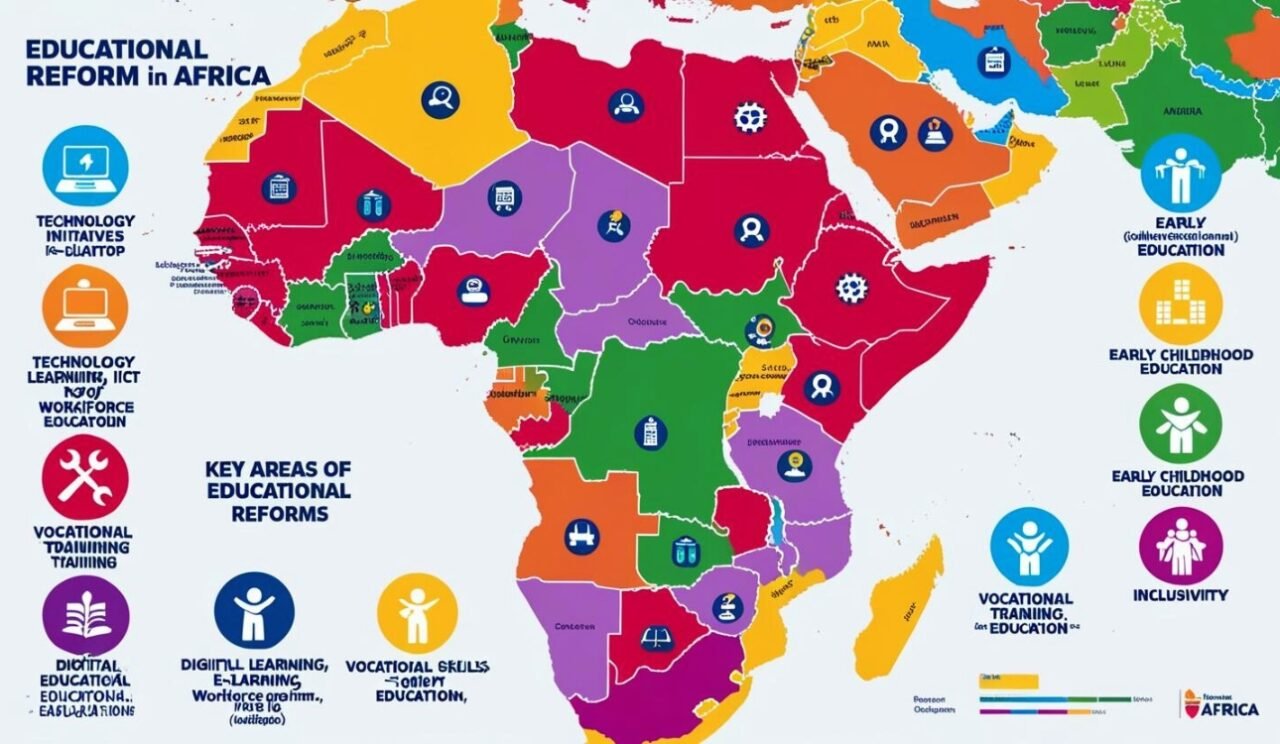
Education in Africa faces unique challenges, from access and quality to relevance and equity. In response, various African nations are implementing educational reforms aimed at transforming their systems to better serve their populations. These reforms focus on shifting from traditional success metrics towards more holistic approaches that consider a broader range of student outcomes. The Need for Educational Reforms Africa’s education sector is diverse, with varying levels of development across countries. Common challenges include: Access to Education: Many children, particularly in rural areas, lack access to quality education. Quality of Education: Inadequate infrastructure, lack of trained teachers, and outdated curricula hinder effective learning. Relevance to Local Needs: Education systems often emphasize rote learning and standardized tests, which may not align with local socio-economic contexts. Key Educational Reforms 1. Curriculum Overhaul Many African countries are revising their curricula to make education more relevant and practical. This includes integrating local knowledge, life skills, and vocational training. Example: Kenya’s Competency-Based Curriculum (CBC) focuses on developing students’ competencies, such as critical thinking, creativity, and communication, to prepare them for real-world challenges. 2. Emphasis on Early Childhood Education Recognizing the importance of early childhood development, several African nations are investing in pre-primary education. Early interventions can significantly impact long-term educational outcomes. Example: Rwanda’s Early Childhood Development (ECD) program aims to provide comprehensive care, including health, nutrition, and education, to children from birth to six years. 3. Teacher Training and Professional Development Improving teacher quality is central to educational reforms. Continuous professional development and training programs are being implemented to equip teachers with modern pedagogical skills. Example: South Africa’s Integrated Strategic Planning Framework for Teacher Education and Development emphasizes in-service training and mentorship for teachers. 4. Use of Technology in Education Digital learning and technology integration are becoming key components of educational reforms. These initiatives aim to bridge the digital divide and enhance learning outcomes. Example: Nigeria’s e-learning initiatives, such as the Digital Literacy Project, provide students with access to digital resources and training in ICT skills. 5. Inclusive Education Inclusive education reforms focus on ensuring that all children, regardless of their background or abilities, have access to quality education. This includes addressing the needs of marginalized groups, such as girls, children with disabilities, and refugees. Example: Uganda’s Universal Primary Education (UPE) policy aims to eliminate barriers to education for disadvantaged children by providing free primary education. Impact of Reforms Educational reforms in Africa are yielding positive outcomes, including increased enrollment rates, improved literacy levels, and enhanced student engagement. However, challenges remain, such as ensuring consistent implementation, adequate funding, and addressing socio-cultural barriers. Conclusion Educational reforms in Africa are crucial for building systems that support holistic success. By focusing on curriculum relevance, teacher quality, technology integration, and inclusivity, African nations are laying the groundwork for a more equitable and effective education system. Continued investment and commitment to these reforms will be essential in achieving sustainable development and empowering future generations.

admin6 January 2025
Article-2-1280x744.jpg

5min7680
In today’s rapidly evolving educational landscape, the role of community engagement has become more critical than ever. When schools actively collaborate with parents, local businesses, and community organizations, the results can be transformative. This approach not only enriches the educational experience but also strengthens the social fabric that supports student success. The Benefits of Community Engagement Community engagement in schools fosters a supportive environment where students can thrive. Here are some key benefits of involving various stakeholders: Enhanced Resources and Support: Schools often face resource constraints, but strong community ties can alleviate some of these challenges. Local businesses can provide sponsorships, equipment, or expertise, while community organizations can offer programs and services that complement the school’s efforts. Improved Student Outcomes: When parents are involved in their children’s education, students tend to perform better academically and socially. Community engagement also helps create a sense of belonging and support, which is crucial for student motivation and well-being. Stronger School Culture: Collaborative efforts between schools and their communities help to build a positive school culture. This partnership fosters mutual respect, shared values, and a collective commitment to student success. Examples of Successful Community-School Partnerships Numerous schools have demonstrated the power of community engagement through innovative partnerships: Parental Involvement Programs: Schools that establish strong parent-teacher associations (PTAs) or run parent workshops see increased participation in school activities. These initiatives empower parents to be active contributors to their children’s education. Local Business Collaborations: Some schools partner with local businesses to offer internships, career days, and mentorship programs. These collaborations provide students with real-world experiences and help bridge the gap between education and employment. Community-Led Extracurricular Activities: Community organizations often bring unique programs to schools, such as arts, sports, and cultural activities. These programs enhance the holistic development of students, giving them opportunities to explore their interests and talents.   Steps for Effective Community Engagement School leaders can take several steps to foster meaningful community engagement: Open Communication Channels: Establishing regular communication with parents and community members is essential. Newsletters, social media updates, and community meetings can help keep everyone informed and involved. Identify Community Needs and Strengths: Understanding the unique needs and strengths of the community allows schools to tailor their engagement strategies effectively. This could involve surveys, focus groups, or informal discussions. Create Collaborative Opportunities: Invite community members to participate in school events, decision-making processes, and volunteer programs. This inclusive approach builds trust and ensures that everyone feels valued. Recognize and Celebrate Contributions: Acknowledge the efforts of parents, businesses, and organizations that contribute to the school. Public recognition, thank-you events, and newsletters can help sustain long-term partnerships. Conclusion Community engagement is a powerful tool for enhancing school outcomes. By fostering partnerships with parents, local businesses, and community organizations, schools can create a supportive and enriching environment for students. These collaborations not only provide additional resources and opportunities but also help build a strong, cohesive community dedicated to the success of its youth. School leaders are encouraged to actively pursue and nurture these relationships, recognizing that the collective efforts of a community can significantly impact the future of education.  

admin6 January 2025
Article-1-1280x744.jpg

5min6400
The COVID-19 pandemic was a seismic event that reshaped the educational landscape, presenting school leaders with unprecedented challenges. Yet, amidst the chaos, many leaders discovered innovative solutions and adaptive strategies that not only addressed immediate needs but also laid the groundwork for long-term improvements. This article reflects on the key lessons learned by school leaders during the pandemic and explores how these insights can be applied to future crises. Adaptive Leadership in Times of Crisis The pandemic underscored the importance of adaptive leadership. School leaders had to pivot quickly, making critical decisions with limited information. The ability to adapt to rapidly changing circumstances became a hallmark of effective leadership. For instance, many schools transitioned to remote learning almost overnight. Leaders who embraced flexibility and innovation were able to implement digital learning platforms, ensuring continuity of education. This shift required not only technological adaptation but also a rethinking of pedagogical approaches. Leaders had to support teachers in developing new skills and adapting their teaching methods to a virtual environment. Innovative Solutions to Unprecedented Challenges The crisis sparked a wave of innovation in education. One notable example is the creation of hybrid learning models. Schools combined in-person and online instruction to accommodate social distancing requirements and provide students with flexible learning options. Another innovative solution was the establishment of virtual parent-teacher conferences. This approach not only adhered to safety protocols but also increased parent participation, as it was more convenient for many families. The success of these virtual meetings has led some schools to continue offering them post-pandemic. Leaders also leveraged community partnerships to address challenges such as food insecurity and digital divides. By collaborating with local organizations, schools were able to distribute meals and provide students with necessary technology, such as laptops and internet access. Lessons for Future Crises The experiences of the pandemic have equipped school leaders with valuable lessons that can be applied to future crises. Here are some key takeaways: Embrace Flexibility and Innovation: The ability to adapt quickly and think creatively is crucial in times of crisis. Leaders should foster a culture of innovation, encouraging staff to explore new approaches and solutions. Prioritize Communication and Transparency: Clear and consistent communication is essential during a crisis. Keeping staff, students, and parents informed helps to build trust and ensures that everyone is on the same page. Leverage Technology: The pandemic accelerated the adoption of technology in education. Moving forward, leaders should continue to invest in and integrate technology to enhance learning and operational efficiency. Foster Collaboration and Community Engagement: Strong partnerships with community organizations can provide vital support during a crisis. Leaders should cultivate these relationships and involve the community in decision-making processes. Focus on Mental Health and Well-being: The pandemic highlighted the importance of addressing mental health and well-being. Leaders should prioritize support for students and staff, providing resources and creating a supportive school environment. Conclusion The COVID-19 pandemic was a defining moment for school leaders, testing their resilience and adaptability. The lessons learned during this period offer valuable insights for handling future crises. By embracing flexibility, fostering innovation, and prioritizing communication and well-being, school leaders can turn challenges into opportunities for growth and improvement. As we move forward, these leadership lessons will continue to shape the future of education, ensuring that schools are better prepared to face whatever challenges may come their way.

Copy-of-pici-4-14444-1280x744.jpg

11min7750
Education goes beyond textbooks, curricula, and examinations, it is an emotional journey. For teachers, connecting with students on a personal level can significantly impact their learning outcomes and overall development. This is where emotional intelligence (EI) plays a pivotal role. Teachers with high emotional intelligence foster a positive classroom environment, promote meaningful relationships, and ultimately drive student success.   This article delves into why emotional intelligence matters for educators and how they can cultivate it to enhance student outcomes.   What Is Emotional Intelligence? Emotional intelligence is the ability to recognize, understand, manage, and influence one’s emotions and those of others. Daniel Goleman, a renowned psychologist, identifies five core components of EI: Self-awareness: Understanding your emotions and how they affect your actions.   Self-regulation: Managing your emotions in a constructive manner.   Motivation: Staying focused and driven by internal goals.   Empathy: Recognizing and understanding the emotions of others.   Social skills: Building healthy relationships and resolving conflicts effectively.   For teachers, these skills are crucial, as their emotional interactions influence the classroom dynamics and students’ emotional well-being.   Why Emotional Intelligence Matters for Teachers Improved Student Engagement   When teachers exhibit empathy and emotional understanding, students feel valued and supported. This creates an inclusive learning environment where students are more likely to participate actively.   A teacher who can gauge a student’s frustration or excitement, for instance, can adapt their teaching methods to align with the student’s needs, keeping them engaged.   Better Conflict Resolution   Classrooms often experience conflicts between students, or even between teachers and students. Teachers with high EI can mediate such situations calmly and constructively. By modeling emotional regulation, they teach students how to handle disagreements maturely.   Enhanced Teacher-Student Relationships   Strong relationships between teachers and students are a foundation for academic success. Emotional intelligence helps teachers build trust and rapport, encouraging students to approach them with challenges. These connections foster a sense of belonging, which positively impacts attendance, participation, and academic achievement.   Positive Role Modeling Teachers are role models for their students. Demonstrating emotional intelligence—such as staying calm under pressure or showing empathy during discussions sets a powerful example for students, who learn to emulate these behaviors in their interactions.   Reduced Teacher Burnout Teaching is emotionally demanding, and burnout is a common issue. Teachers with high EI can manage stress better, maintain a positive outlook, and avoid emotional exhaustion. This allows them to remain effective in their roles and provide consistent support to students.   Strategies for Teachers to Build Emotional Intelligence  Developing emotional intelligence is a lifelong process, but teachers can take specific steps to enhance their EI and create a lasting impact in the classroom.   Practice Self-Awareness Reflect on your emotions and triggers.  Keep a journal to note situations that elicit strong emotional responses. Seek feedback from colleagues and students to gain perspective on how you come across in the classroom. Cultivate Self-Regulation Use mindfulness techniques like deep breathing and meditation to stay calm during stressful moments.  Pause before reacting to challenging situations to assess the best response. Develop routines that promote emotional balance, such as regular exercise or hobbies. Foster Empathy  Actively listen to your students and colleagues without interrupting or judging.  Try to understand the underlying emotions behind a student’s behavior. Engage in activities that broaden your perspective, such as reading diverse stories or participating in community events. 4.  Strengthen Communication Skills Use “I” statements to express your feelings without blaming others. Maintain open body language to create a welcoming environment. Practice giving constructive feedback with a focus on improvement rather than criticism. Seek Professional Development Attend workshops or courses on emotional intelligence and classroom management.  Participate in peer coaching or mentorship programs to learn from experienced educators. Leverage online resources, such as EI assessment tools and self-paced learning modules. The Impact of Emotional Intelligence on Student Outcomes The ripple effects of emotionally intelligent teachers extend beyond individual classrooms. Research has consistently shown that students thrive in environments where their teachers demonstrate high emotional intelligence.   Academic Performance: A supportive and emotionally safe classroom boosts student confidence, enabling better academic performance.   Social Skills Development: By observing their teachers’ emotional intelligence, students learn to regulate their own emotions and interact positively with peers.   Mental Health Benefits: Teachers who are attuned to students’ emotional needs can identify and address issues such as anxiety or bullying, promoting better mental health outcomes.   Additionally, emotionally intelligent teachers inspire a love for learning by creating a positive and stimulating environment. This not only enhances knowledge retention but also nurtures lifelong learners.   Conclusion   Building emotional intelligence in teachers is not just a professional development goal, it’s a transformative approach to education. By cultivating self-awareness, empathy, and emotional regulation, teachers can foster stronger relationships with their students, navigate classroom challenges effectively, and inspire academic and personal growth.   For educators, investing in emotional intelligence is investing in student success. As the saying goes, “Students don’t care how much you know until they know how much you care.” By prioritizing emotional intelligence, teachers ensure that every student feels understood, valued, and empowered to reach their full potential.  In-Depth Training by the School Lead Programme To empower educators, the School Lead Programme offers a comprehensive training course titled “The Emotionally  Intelligent Teacher” This program provides in-depth learning experiences tailored to meet the unique challenges of teaching in today’s world. What the Course Covers Participants will explore topics like: Understanding Emotional Intelligence: Foundations of EI and its relevance to teaching. Self-Awareness and Emotional Regulation: Tools for managing stress and maintaining balance. Building Empathy and Social Skills: Practical strategies to enhance communication and foster positive relationships in the classroom. Conflict Resolution Techniques: Managing classroom dynamics with emotional sensitivity. Course Features Interactive Workshops: Hands-on activities and group discussions to apply EI concepts. Expert Guidance: Sessions led by experienced facilitators with backgrounds in education. Personalized Feedback: Participants receive tailored advice to enhance their emotional skills. Certification: A credential demonstrating the educator’s commitment to fostering emotional growth in their classrooms.   Link to course: Theschoollead

IMG_3135-1280x744.jpeg

8min10480
Once you have mastered the foundational skills of classroom management, it’s time to dive deeper into strategies that tackle more nuanced challenges. Classroom Management 102 offers advanced techniques to promote inclusivity, maintain engagement, and handle complex scenarios with finesse. Let us explore how educators can elevate their approach and create an exceptional learning environment. 1. Differentiated Instruction for Diverse Learners Every classroom is a tapestry of diverse abilities, interests, and learning styles. To manage effectively: Personalize Learning: Adapt lessons to meet individual needs. For example, provide extra visuals for visual learners or hands-on activities for kinesthetic learners. Flexible Grouping: Rotate students between groups based on their strengths and challenges to ensure balanced learning opportunities. By catering to varied needs, you not only engage students better but also minimize disruptions from those who may feel left behind. 2. Proactive Conflict Management Preventing conflicts is as vital as resolving them. Adopt these strategies: Monitor Dynamics: Pay attention to interactions between students to identify potential conflicts early. Teach Empathy: Encourage students to see situations from another’s perspective through role-playing or discussions. When conflicts arise, guide students to resolve them constructively, emphasizing respect and understanding. 3. Incorporate Restorative Practices Restorative practices shift focus from punishment to repairing relationships. Instead of straight punishment, try: Circle Discussions: Allow students to voice their feelings and collectively find solutions. Restorative Conversations: Privately discuss the impact of a student’s behavior and agree on steps to make amends. This approach fosters accountability and strengthens the classroom community. 4. Use Advanced Behavioral Techniques For persistent behavioral challenges, consider: Behavior Contracts: Collaboratively develop agreements outlining expectations, consequences, and rewards. Check-Ins: Have one-on-one meetings with students to address ongoing issues and understand underlying causes. These techniques ensure that students with behavioral challenges feel supported rather than alienated. 5. Gamify Classroom Management Inject fun into managing behavior through gamification. Point Systems: Award points for positive behaviors like teamwork or punctuality. Classroom Challenges: Create group rewards for achieving collective goals, such as completing assignments on time. Gamification not only keeps students motivated but also promotes collaboration. Read More on Gamification from our Previous Article 6. Leverage Peer Leadership Empower students to take ownership of the classroom by assigning peer leadership roles: Peer Mentors: Pair struggling students with peers who excel in specific areas. Classroom Helpers: Assign responsibilities, like managing supplies or leading activities, to build a sense of accountability. When students feel responsible for their environment, they are less likely to disrupt it. 7. Maintain Emotional Intelligence Your ability to manage your emotions directly impacts the classroom atmosphere. Practice: Self-Awareness: Reflect on your triggers and responses to challenging situations. Empathy: Show genuine concern for students’ feelings, validating their emotions. A calm, empathetic approach de-escalates tension and builds stronger teacher-student connections. 8. Create Dynamic Transitions Unstructured transitions can lead to chaos. Use these techniques to maintain order: Transition Signals: Develop a consistent cue, like a clapping pattern or music, to signal changes. Brief Activities: Use quick, engaging tasks, like riddles or stretching exercises, to keep students focused between lessons. Smooth transitions minimize downtime and maintain momentum. 9. Incorporate Social-Emotional Learning (SEL) Integrate SEL into your routine to nurture well-rounded students. Morning Meetings: Start the day with discussions about feelings and goals. Mindfulness Practices: Teach techniques like deep breathing to help students manage stress. By addressing emotional well-being, you create a supportive environment where learning can flourish. 10. Evaluate and Adapt Classrooms evolve, and so should your strategies. Regularly assess: What’s Working: Identify techniques that resonate with your students. What Needs Tweaking: Adjust ineffective methods based on feedback or observation. Be flexible and open to change as you discover what best suits your unique classroom dynamics. Final Thoughts Classroom Management 102 is about refining your craft and adapting to the ever-changing needs of your students. By embracing advanced strategies, you can tackle complex challenges while fostering a thriving, inclusive learning environment. Remember, effective management is not a one-size-fits-all solution. It is a dynamic process that grows with you and your students. Ready to level up even further? Stay tuned for Classroom Management Mastery: Turning Challenges into Opportunities!

IMG_3134-1280x744.jpeg

5min6860
Managing a classroom effectively is one of the most important skills every educator must master. A well-managed classroom not only ensures smooth learning but also fosters a positive environment where students feel motivated and engaged. This guide offers practical strategies to help educators succeed in managing classroom dynamics while promoting a culture of respect and productivity. 1. Establish Clear Expectations from Day One Students thrive on clarity. At the beginning of the term, set clear and achievable classroom rules. Collaborate with your students when defining these rules to give them a sense of ownership. For example, instead of dictating rules, ask, “What do you think will help us learn better together?” This approach ensures students understand the reasoning behind expectations, making them more likely to adhere. 2. Create a Positive Learning Environment A warm and inviting classroom fosters trust and respect. Decorate your space with motivational posters, organize materials for easy access, and ensure that students feel comfortable expressing themselves. Celebrate small wins, whether it is a student mastering a concept or improving behavior. A simple “I see the effort you put into today’s work” can go a long way. Consistency is Key Consistency in enforcing rules and routines builds trust. If you establish that late assignments will have a specific consequence, follow through. Avoid making exceptions, as they can lead to confusion and undermine your authority. Students respect educators who are fair and consistent. 4. Build Relationships with Students Students are more likely to engage positively when they feel valued. Take time to know your students individually, their strengths, challenges, and interests. Use this knowledge to connect lessons to their real-life experiences, fostering deeper engagement. 5. Engage Students Actively Disengaged students are more likely to disrupt. Combat boredom by incorporating interactive activities like group discussions, games, and hands-on projects. Offer diverse learning opportunities, such as visual aids for visual learners and kinesthetic tasks for those who learn by doing. 6. Use Positive Reinforcement Recognize and reward good behavior. A word of praise, a simple smile, or a small incentive can motivate students to repeat positive actions. For instance, a “star student” badge or shout-out during class can reinforce desired behavior. 7. Prepare for Challenges Even with the best plans, challenges arise. Be prepared to handle disruptions calmly. For minor misbehaviors, use subtle cues, like making eye contact or pausing mid-sentence, to regain attention. For more significant issues, address them privately to avoid embarrassment and conflict. 8. Encourage Student Autonomy Empower students by giving them choices. Let them pick their project topics, assign group roles, or vote on classroom activities. Autonomy fosters responsibility and helps students take ownership of their behavior and learning. 9. Leverage Technology Wisely Technology can transform your classroom if used effectively. Use tools like interactive whiteboards, educational apps, or gamified learning platforms to make lessons engaging. Ensure, however, that technology serves as a supplement to teaching, not a distraction. 10. Reflect and Improve Effective educators are lifelong learners. Reflect on what strategies work and adjust when necessary. Seek feedback from colleagues or mentors and attend workshops to refine your skills. Final Thoughts Classroom management is not about control, it is about creating an environment where every student has the opportunity to succeed. By establishing clear expectations, maintaining consistency, and fostering strong relationships, educators can create a thriving learning space. Remember, the goal is not perfection but progress. Each step you take toward better management will benefit both you and your students.   For follow-up strategies and advanced techniques, check out Classroom Management 102: Beyond the Basics!