Category: Home Office & Tech

admin6 November 2024
Article-No-4-1280x723.jpg

4min6360
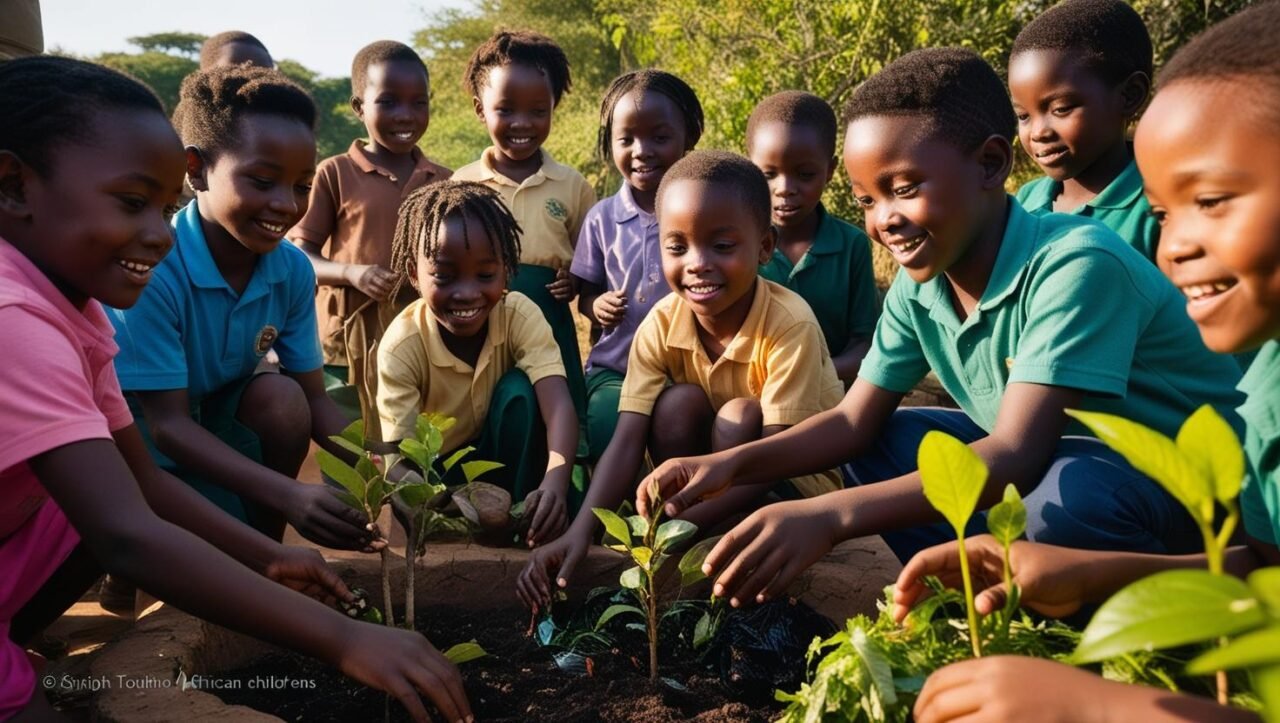
As environmental challenges like climate change and resource depletion become more pressing, teaching children about sustainability is more important than ever. Early environmental education instills lifelong habits that help students understand and protect the world they live in. Here’s why it matters and how educators can promote sustainable practices in the classroom. Why Environmental Education Matters Builds Awareness and Responsibility Learning about environmental issues from a young age fosters a sense of When students understand the impact of their actions on the planet, they’re more likely to make choices that benefit the environment. Promotes Lifelong Sustainable Habits Kids who are taught sustainable practices like recycling, conserving water, or reducing waste, they carry these habits into adulthood, positively influencing their families and communities. Encourages Critical Thinking Environmental education encourages students to think critically about global issues, like pollution and They learn to ask questions, analyze solutions, and consider how their actions affect the environment. Prepares Students for Future Careers Sustainability is becoming a priority in many Teaching students about environmental issues prepares them for careers in fields like renewable energy, conservation, and sustainable agriculture.   Practical Tips for Teaching Sustainability Introduce Eco-Friendly Habits Early Teach young children simple actions like turning off lights, conserving water, and reusing These small steps make environmental responsibility relatable and manageable. Incorporate Nature in Learning Outdoor learning activities help students connect with nature. Nature walks, gardening, and studying plants and animals foster appreciation for the environment and teach students about ecosystems. Create a Recycling Program in the Classroom Set up recycling bins for paper, plastic, and Explain how recycling reduces waste and teach students what items can be recycled. Involve them by assigning “recycling monitors” to encourage participation. Use Hands-On Sustainability Projects Practical projects, like building a compost bin or creating art from recyclable materials, engage students and show them how sustainability can be fun. Composting, for example, teaches kids about natural cycles and reducing waste. Teach Energy Conservation Discuss ways to conserve energy, like turning off electronic devices and using natural light. Explain how reducing energy use helps the environment by saving resources and lowering pollution. Involve Families and Communities Encourage students to share what they learn with their families. Host eco-friendly events, such as community clean-ups or “green days” where students bring in recyclable materials from home. Celebrate Earth Day and Other Environmental Events Use Earth Day as an opportunity for themed lessons and activities on environmental topics. Activities like tree planting, recycling drives, or creating “Earth Day promises” promote active participation.   Creating a Sustainable Mindset When students learn about sustainability early on, they gain the knowledge and motivation to make a positive impact on their world. By fostering environmental awareness, educators can guide students toward a future where they actively contribute to conserving resources, reducing waste, and protecting the environment.

admin6 November 2024
Article-N0-3-1280x720.jpg

2min5320
Education isn’t just about textbooks; it’s about preparing students for life. From nursery to university, here are essential life skills that help students grow into well-rounded, capable individuals. Critical Thinking and Problem-Solving Early Years: Use simple puzzles and fun problem-solving games. Primary to Secondary: Group challenges encourage teamwork and creative solutions. University: Case studies and real-world projects sharpen independent thinking. Communication Skills Early Years: Encourage storytelling and sharing to build confidence. Primary to Secondary: Debates and presentations help students articulate ideas. University: Public speaking and peer reviews build clear, persuasive communication. Financial Literacy Primary: Teach basic budgeting with points or tokens for classroom activities. Secondary: Introduce budgeting exercises, such as planning a small event. University: Budgeting workshops and real-life finance exercises prepare students for managing personal finances. 4.   Emotional Intelligence (EI) Early Years: Teach empathy through storytelling and sharing. Primary to Secondary: Use group activities to build empathy and understanding. University: Workshops on self-awareness and resilience help students manage stress and relationships. Digital Literacy Primary: Basic computer skills and safe internet use. Secondary: Teach online research skills and digital projects. University: Advanced digital tools and responsible digital communication for professional life. Teaching these skills makes education relevant and empowering, preparing students at every stage to succeed in life beyond the classroom.

admin6 November 2024
Article-No-2-1280x720.jpg

3min28810
The recent tragic event at Obada Grammar School in Ogun State, Nigeria, where a student named Monday Arijo lost his life after severe corporal punishment by a teacher, has highlighted the critical need for emotional intelligence in education. This heartbreaking incident shows how a lack of empathy and self-regulation can lead to devastating outcomes, underscoring why emotional intelligence (EI) is an essential skill for every educator. Understanding Emotional Intelligence in Teaching Emotional intelligence refers to the ability to understand and manage one’s emotions and to empathize with others. For educators, EI enables them to connect with students, foster a safe learning environment, and handle challenges constructively. Here’s how it plays a vital role: Empathy: By seeing things from a student’s perspective, educators can build trust and respond more compassionately, avoiding punitive measures that may harm a child. Self-Regulation: Managing emotions helps teachers remain calm under pressure, reducing the likelihood of harsh or harmful disciplinary actions. Effective Communication:  Clear,  empathetic  communication  allows educators to address misbehavior constructively without resorting to physical punishment. Developing Emotional Intelligence as an Educator To prevent future tragedies and create positive learning environments, educators can work on building their emotional intelligence through these simple practices: Practice Active Listening:  By  listening  fully,  educators  can  better understand student needs, which helps build empathy and reduces frustration. Reflect on Emotional Triggers: Recognize and reflect on moments when emotions run high to handle future situations more Engage in EI Training: Many professional development programs now include training on emotional intelligence, providing valuable tools for managing classroom Developing Emotional Intelligence as an Educator To prevent future tragedies and foster positive learning environments, educators can build their emotional intelligence through these practices: Practice Active Listening: By listening fully, educators can better understand students’ needs, which helps build empathy and reduces frustration. Reflect on Emotional Triggers: Recognize and reflect on moments when emotions run high to handle future situations more calmly. Engage in EI Training: Programs like TheSchoolLead offer emotional intelligence training specifically designed for educators, equipping them with tools for managing classroom challenges with empathy and self-regulation. Such programs support educators in developing the skills necessary to create safe, nurturing learning environments.

admin6 November 2024
Article-No-1-1280x720.jpg

4min4400
Across Nigeria, young people are stepping up to create solutions for pressing issues in their communities. Driven by innovation and a commitment to bettering society, these entrepreneurs are turning challenges into opportunities, particularly in waste management. Here are some standout stories of young Nigerians who are making a difference, proving that age is no barrier to impactful change. Mariam Lawani – Turning Waste into Wealth with GreenHill Recycling Mariam Lawani, a visionary in environmental sustainability,    founded GreenHill Recycling Limited to combat pollution and transform waste into economic Her enterprise offers users a rewards-based recycling system where they can earn cash or incentives for recyclable materials. This initiative not only reduces waste but also provides an economic boost to communities by creating value from items that would otherwise be discarded. Since receiving support from the Orange Corners Innovation Fund, GreenHill Recycling has grown significantly, showing the potential of Mariam’s model to expand nationwide. Her story demonstrates the power of innovation in addressing environmental issues while also empowering people financially.  Bilikiss Adebiyi-Abiola – The Trailblazer Behind WeCyclers In 2012, Bilikiss Adebiyi-Abiola co-founded WeCyclers, a social enterprise that uses low-cost cargo bicycles to make recycling accessible in low- income communities in Lagos. Through WeCyclers, families can exchange recyclable waste like plastic bottles and cans for points, which can be redeemed for household items. This simple but effective model promotes environmental awareness while helping communities reduce waste. By partnering with the Lagos Waste Management Authority, WeCyclers collects and sells recyclable materials to manufacturers, creating a sustainable business cycle that benefits both the community and the environment. Bilikiss’s work has inspired a movement towards community- driven recycling solutions across Nigeria. Chioma Ukonu – Rewarding Communities with RecyclePoints As the co-founder and COO of RecyclePoints, Chioma Ukonu has created one of Nigeria’s leading waste recycling platforms. RecyclePoints encourages individuals and communities to recycle by offering incentives, transforming everyday waste into value. Participants can trade in recyclables, like plastic and metal, for points that can be redeemed for cash or household items. Chioma’s initiative  promotes  responsible  waste  disposal  while  also creating economic opportunities. Through her dedication to environmental sustainability, RecyclePoints has become a model for recycling ventures in Nigeria, fostering a culture of recycling and social impact.   Ifedolapo Runsewe – Innovation through Freetown Waste Management Ifedolapo Runsewe founded    Freetown    Waste      Management    Recycle Limited, a company that tackles the environmental problem of waste By transforming discarded vehicle tyres into reusable products, Ifedolapo has found a creative way to reduce pollution and generate income. Her approach addresses both environmental challenges and the demand for repurposed materials, showing how waste can be a valuable resource. Ifedolapo’s work highlights the economic potential in recycling, illustrating how business can play a role in environmental conservation. Her journey has inspired many to rethink waste and consider sustainable solutions to Nigeria’s environmental challenges.   These inspiring young entrepreneurs are proof that even the most daunting issues can be addressed with creativity and commitment. They’re showing Nigeria—and the world—that young people can lead change, drive innovation, and create sustainable solutions that benefit both the economy and the environment. As they expand their initiatives, they serve as a reminder that every challenge presents an opportunity for impactful change. Are you inspired by these stories? Join us in celebrating the next generation of Nigerian changemakers who are redefining possibilities and making a difference!

admin16 October 2024
Article-No-4-1280x720.jpg

3min8950
As the educational landscape in Nigeria evolves, it is crucial to recognize and support students with learning differences. These diverse learners require tailored approaches to thrive academically and socially. Here are five key strategies to enhance their educational experience: Early Identification and Assessment Identifying learning differences early is essential for effective intervention. Schools should implement regular assessments and screenings to recognize students who may need additional support. This proactive approach enables timely interventions, helping students receive the assistance they require to succeed. Inclusive Teaching Strategies Adopting inclusive teaching methods can significantly benefit students with learning differences. Educators should employ differentiated instruction, using a variety of teaching techniques to accommodate diverse learning styles. This may include visual aids, hands-on activities, and collaborative projects that engage all students. Training for Educators Providing professional development for teachers is vital. Training sessions on understanding learning differences, classroom management techniques, and the use of assistive technology can equip educators with the skills needed to support diverse learners effectively. Well-informed teachers can create a more inclusive and responsive classroom environment. Collaboration with Parents and Specialists Building strong partnerships with parents and learning specialists is crucial. Regular communication with families about their child’s progress fosters a supportive home environment. Additionally, collaborating with special education professionals can provide teachers with valuable insights and resources tailored to individual student needs. Creating Supportive Environments Schools should strive to create safe and supportive environments that celebrate diversity. Encouraging peer support programs and promoting empathy among students can reduce stigma and foster a sense of belonging. When students feel accepted, they are more likely to engage and thrive academically. Conclusion Supporting students with learning differences is essential for building an inclusive educational system in Nigeria. By implementing these key strategies, educators and schools can empower all students to reach their full potential, creating a brighter future for the nation as a whole.

admin16 October 2024
Article-No-3-1280x720.jpg

4min6090
In an increasingly competitive and stressful world, mental health has emerged as a crucial aspect of overall well-being, particularly among students. In Nigeria, where academic pressures and societal expectations are high, it is essential to prioritize mental health awareness within the education system. This article explores the current landscape of mental health in Nigerian schools and the importance of creating supportive environments for students. The Growing Need for Mental Health Awareness Recent studies indicate a rise in mental health issues among young people globally, and Nigeria is no exception. Factors such as academic pressure, family expectations, and social media influence contribute to increased stress and anxiety levels among students. According to a 2021 report by the World Health Organization, approximately 10-20% of children and adolescents experience mental disorders, highlighting the urgent need for intervention. The Impact of Mental Health on Academic Performance Mental health issues can significantly affect students’ academic performance and overall quality of life. Students struggling with anxiety or depression may find it difficult to concentrate, participate in class, or complete assignments. The consequences can lead to poor academic results, increased dropout rates, and long-term challenges in personal and professional lives. Breaking the Stigma: Why Mental Health Awareness Matters Creating Supportive Environments: By promoting mental health awareness, schools can foster environments where students feel safe discussing their struggles. This can help break the stigma surrounding mental health issues, encouraging students to seek help without fear of Early Intervention: Raising awareness can lead to early identification of mental health issues. Training teachers to recognize signs of distress in students can enable timely intervention, preventing more severe issues from developing. Empowering Students: Educating students about mental health empowers them to take charge of their well-being. Workshops and programs focused on stress management, coping strategies, and self-care can equip students with essential skills for navigating life’s challenges. Initiatives Promoting Mental Health in Nigerian Schools School Counseling Programs: Some schools in Nigeria are beginning to implement counseling programs to provide students with access to mental health These programs help students cope with academic pressures and personal issues, creating a support network within the school community. Mental Health Awareness Campaigns: NGOs and local organizations are launching campaigns to raise awareness about mental health issues in schools. By organizing workshops, seminars, and community outreach, these initiatives aim to educate students, parents, and educators about the importance of mental well-being. Integration into the Curriculum: Schools can integrate mental health education into their curricula, teaching students about emotional intelligence, resilience, and healthy coping mechanisms. This proactive approach can help foster a culture of mental health awareness from an early age. Conclusion: A Collective Responsibility As Nigeria navigates the complexities of modern education, prioritizing mental health awareness in schools is vital for the well-being of students. By creating supportive environments, breaking the stigma surrounding mental health, and implementing proactive initiatives, educators and policymakers can ensure that students thrive both academically and personally. The future of Nigeria depends on nurturing not only intelligent minds but also resilient and healthy individuals ready to tackle the challenges of tomorrow.

admin16 October 2024
Teacher-Autonomy-1280x744.jpg

4min7100
In Nigeria, many teachers face the challenge of adhering to rigid curricula that often do not account for the diverse backgrounds and needs of their students. This lack of flexibility can hinder effective teaching and learning. However, there is a growing movement advocating for greater teacher autonomy, which can significantly enhance the educational experience. The phrase “teaching with fidelity” often creates tension among educators. Many teachers find that rigid curriculum mandates limit their ability to connect with students and address their unique needs. As we strive for educational excellence, it’s crucial to emphasize the importance of teacher autonomy—the freedom for educators to adapt their lessons and teaching styles based on their students’ specific circumstances. Understanding Teacher Autonomy Teacher autonomy allows educators to make independent decisions regarding their teaching methods, classroom management, and curriculum implementation. While standardized curricula aim to provide quality education for all Nigerian students, these rigid structures can hinder teachers from tailoring lessons to fit their students’ diverse backgrounds, learning styles, and interests. Why Autonomy Matters Diverse Learning Needs: Nigerian classrooms are incredibly diverse, with students from various cultural backgrounds and differing levels of When teachers have the freedom to adapt lessons, they can create more relevant and engaging learning experiences. For example, a lesson on Nigerian history can include local cultures and traditions, making the subject more relatable and interesting for students. Building Relationships: Teachers who can adjust their teaching methods are better equipped to foster strong relationships with their students. Understanding each student’s unique context helps build trust and encourages open communication. When students feel valued and understood, they are more likely to engage actively in their learning. Enhancing Creativity: Autonomy empowers teachers to be creative in their lesson This creativity can lead to innovative teaching strategies that inspire students and make learning enjoyable. For instance, a science teacher might incorporate local environmental issues into their curriculum, making lessons more relevant and motivating for students. Case Studies in Urban Areas Particularly notable are the case studies conducted in urban areas such as Ogun State, where TFN teachers’ approaches have led to significant improvements in not only academic performance but also the social and emotional development of students. These studies demonstrate that when teachers are granted the freedom to adapt their instruction, they can create an engaging and responsive learning environment that benefits students holistically. This reinforces the idea that autonomy in teaching is not just beneficial for educators but is essential for nurturing well-rounded learners. The Path Forward As we advocate for educational reforms in Nigeria, it is crucial to consider the experiences of teachers who thrive when given the freedom to modify their curricula. The success stories from programs like TFN and the positive outcomes observed in Ogun State serve as compelling evidence that empowering teachers can lead to transformative changes in the classroom.

admin16 October 2024
Article-No-1-1280x720.jpg

2min9390
Lagos was buzzing with excitement on October 10, 2024, as SI Global Nigeria hosted the groundbreaking Global Study Conference 2024 at the prestigious Metropolitan Club. The event, themed “Innovating Education for the Future,” wasn’t just another academic gathering, it was a gateway for Nigerian students to explore new academic frontiers and career opportunities on a global scale. This was not just about listening to speeches; it was about reshaping the way Nigerian students think about their future. Attendees were treated to dynamic discussions on the ever-evolving education landscape, featuring keynotes from international university representatives and leading educators. They tackled the tough questions: How can Nigerian students compete globally? What new skills are crucial for a tech-driven world? For many, the highlight was the exclusive opportunities to network with representatives from renowned institutions across the globe. Students, educators, and policymakers left with fresh perspectives on emerging career trends and the practical steps to secure spots in top universities abroad. But why should this matter to you? This event signals a pivotal shift—no longer are the doors to global education locked tight for Nigerian students. With SI Global Nigeria’s efforts, the pathway is clearer than ever. The conference delivered more than just information; it was a call to action for students ready to take their education beyond borders. For readers of Edupreneur, this is a wake-up call. If you’re a student, educator, or simply a parent looking to open new horizons for your children, the Global Study Conference 2024 showed that the world is truly within reach. It’s time to think bigger, aim higher, and seize the global opportunities that are knocking at Nigeria’s door.