
Category: Performance & Essentials

Unlocking-Curiosity-Why-Inquiry-Based-Learning-Matters-1280x720.jpg

5min19400
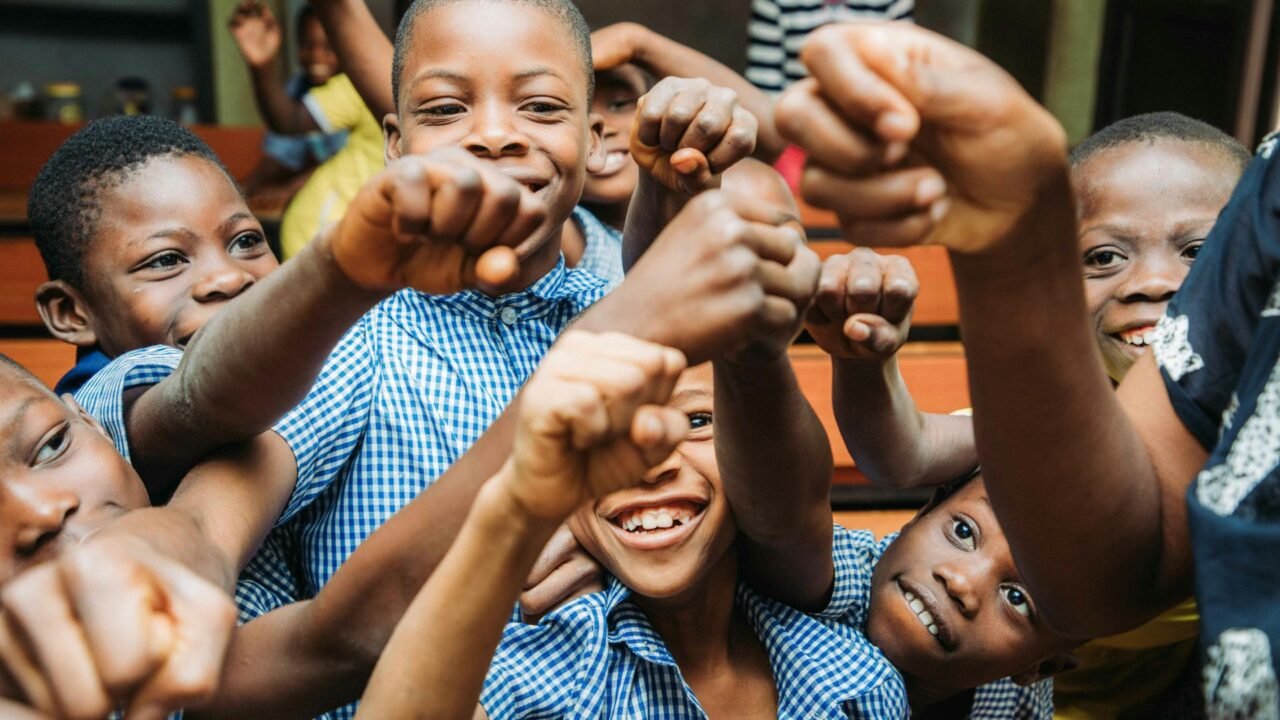
What if classrooms could inspire curiosity and creativity instead of just focusing on memorizing facts? Imagine students asking their own questions, exploring new ideas, and solving real problems that matter to them. This is what inquiry-based learning is all about. Inquiry-based learning is a teaching method where students take the lead in their learning. Instead of simply being told what to know, they ask questions, research answers, and discover solutions. This approach is exciting because it helps students develop skills they will use for the rest of their lives. What Is Inquiry-Based Learning? Inquiry-based learning puts students at the center of their education. It’s all about asking questions, finding answers, and learning through discovery. Instead of memorizing information, students explore ideas and understand how to solve problems on their own. It encourages curiosity and creativity. It helps students become better thinkers, problem-solvers, and team players, skills they need for success in today’s world. Why Is It Important? Builds Critical Thinking: Students learn how to think, not just what to Encourages Curiosity: It keeps learning fun and exciting because students explore topics they care Teaches Collaboration: Group projects teach teamwork and the importance of working Prepares for Life: Inquiry-based learning helps students face real-world challenges by solving problems step by step. In a world where information is everywhere, the real skill is knowing how to ask the right questions. That’s what inquiry- based learning teaches. How Does It Work? Inquiry-based learning often happens in five simple steps: Ask Questions: The teacher or students start with a big, open-ended question, like “How can we make clean water for everyone?” Explore: Students research, experiment, or talk to experts to find answers. Connect Ideas: They look at what they’ve learned and figure out how it all fits together. Reflect: Students think about what worked, what didn’t, and what they’ve learned. Share: Finally, they share their findings, like giving a presentation, making a poster, or creating a video. Using Inquiry-Based Learning in African Classrooms Many classrooms in Africa still focus on memorizing facts, but inquiry-based learning offers something different. It makes learning more fun and meaningful. For example: In history class, students could ask, “What events led to Nigeria’s independence?” In science, they might explore, “How can we create better ways to store food?” In literature, they could discuss, “What can African stories teach us about resilience and courage?” Even in schools with fewer resources, this approach works. Teachers can encourage students to ask questions about their own communities and look for solutions together. How Teachers Can Start Start Small: Use inquiry-based learning for one topic or project at a time. Ask Simple Questions: Use questions that relate to students’ lives, like their environment or daily experiences. Guide the Process: Help students find resources, organize their research, and share their results. Use Technology: Even basic tools like phones or free online resources can help students explore and share ideas. Let’s Rethink Education Inquiry-based learning gives students the chance to take charge of their education. They don’t just memorize facts; they learn how to think, solve problems, and explore the world around them. As teachers, parents, and leaders, we can inspire students to love learning by making it more meaningful and fun. Let’s prepare them not just with knowledge, but with the skills to ask great questions and solve real problems. After all, curiosity is what drives progress.


Digital-Safety-102-Advanced-Tips-for-a-Safer-Online-Experience-1280x744.jpg

5min19620
In our first guide, Digital Safety 101, we covered the basics of staying safe online, from understanding digital footprints to setting privacy controls. Now, in Digital Safety 102, we dive into more advanced practices for those ready to deepen their digital safety skills. With the rise of sophisticated cyber threats like phishing scams and deepfake technology, it’s crucial to go beyond the basics. This guide provides practical tools to stay one step ahead and navigate the internet responsibly and securely.   1.   Recognizing and Avoiding Phishing Scams What is Phishing? Phishing is a tactic used by cybercriminals to trick people into revealing personal information, like passwords or credit card numbers, by pretending to be trustworthy sources. Phishing often appears as emails or messages from what seems like a legitimate organization. Tip: Teach students and adults to verify unexpected messages by checking the sender’s email address or URL, looking for misspelled words, or contacting the organization directly. Encourage them never to click on unfamiliar links or download attachments from unknown sources. 2.   Using Two-Factor Authentication (2FA) for Better Security Why 2FA Matters Two-Factor Authentication (2FA) provides an extra layer of security by requiring two forms of identification (usually a password and a code sent to your phone) to access accounts. This reduces the risk of unauthorized access, even if passwords are compromised. Tip: Show students how to set up 2FA on their accounts, particularly social media and email. Explain that even if someone gains access to their password, they can’t log in without the second form of identification, keeping their information safer. 3.   Managing Digital Footprints Actively Taking Control of Personal Data Digital footprints don’t just come from what we post; many websites and apps collect information in the background. Managing these settings allows students to minimize what is stored and shared. Tip: Walk students through checking privacy settings on their devices and apps. Encourage them to periodically review these settings to control who can see their information, what is shared publicly, and what apps have access to their data. 4.   Spotting Deepfakes and Misinformation Identifying Manipulated Media With the rise of AI, deepfake technology can create realistic but false images, videos, and audio. Students need to know how to spot manipulated media and understand the importance of checking sources. Tip: Encourage students to question media sources and research unfamiliar claims. Show them how to use reverse image search tools to check an image’s origin, teaching them to verify content before sharing. 5.   Creating Strong Passwords and Managing Them Securely Building Better Passwords A strong password is a critical defense against hacking. Passwords should be long, unique, and include a mix of letters, numbers, and symbols. Tip: Guide students in creating secure passwords and using password managers to keep track of them. Teach them the “passphrase” method (using random words as passwords) as a memorable and effective way to secure accounts. 6.   Practicing Good Data Hygiene Deleting Old Data and Devices Many devices and apps hold onto data long after they’re no longer used. Practicing “data hygiene” means regularly deleting unused apps, wiping old devices, and clearing browser history. Tip: Encourage students and families to conduct a “digital cleanup” every few months. Remind them to clear unused accounts, photos, and downloads that take up unnecessary space and could pose security risks. Conclusion: Towards a Culture of Digital Vigilance Digital safety is an ongoing journey. With the right tools and knowledge, students and families can feel more secure in the digital world. By adopting these advanced safety practices, they can protect their privacy, identify risks, and act responsibly online. Let’s keep moving toward a future where everyone feels empowered to navigate the internet safely.

Digital-Safety-101-Teaching-Students-to-Navigate-the-Online-World-Responsibly-1280x744.jpg

5min21710
In today’s world, students are more connected than ever, with smartphones, social media, and a wide array of apps just a tap away. While the internet provides incredible learning and social opportunities, it also presents challenges like cyberbullying, privacy risks, and the lasting impact of digital footprints. Teaching young people to navigate these challenges responsibly is essential for their safety and well- being. Here’s how we can empower students to be smart and safe digital citizens. 1.   Understanding the Digital Footprint What is a Digital Footprint? A digital footprint is the trail of information we leave online, from social media posts to comments, photos, and even search history. Students should understand that what they post online can last forever and may be seen by future employers, colleges, or others. Tip: Encourage students to think carefully before posting. Ask them, “Would you be comfortable if your parents, teachers, or future employer saw this post?” This perspective can help them consider the potential long-term impact of their online actions. 2.   Privacy Matters: Protecting Personal Information Staying Safe Online Many apps and websites request personal information that, if shared carelessly, could lead to identity theft or privacy breaches. Teaching students to safeguard details like their home address, phone number, and financial information is vital. Tip: Show students how to set privacy controls on their social media profiles. Reinforce the idea of only sharing personal information with people they trust, and encourage using secure, unique passwords for different sites. 3.   Dealing with Cyberbullying Recognizing and Responding to Cyberbullying Cyberbullying can take many forms, from hurtful comments and spreading rumors to harassment and exclusion. It’s crucial for students to recognize cyberbullying and understand how to respond if they or a friend are targeted. Tip: Encourage students to save evidence of any bullying, such as screenshots, and to speak with a trusted adult if they’re affected. Schools and parents can also create open, supportive spaces for students to discuss online issues without fear of punishment. 4.   Practicing Digital Etiquette Respecting Others Online Just as in real life, kindness and respect are key online. Practicing good digital etiquette helps maintain positive online spaces and reduces the chance of misunderstandings. Tip: Encourage students to pause and think before responding to others online, especially in emotionally charged situations. Remind them that it’s often better to address conflicts face-to- face or let emotions cool before responding. 5.   Balancing Screen Time with Offline Activities Healthy Screen Habits Spending too much time online can impact mental health and academic performance. Students should learn to balance their screen time with offline activities, such as sports, hobbies, and family time. Tip: Help students set personal limits on their screen time, perhaps with the help of apps or parental controls. Encourage them to prioritize activities that help them relax and recharge away from screens. 6.   Becoming Media Savvy Recognizing Reliable Information The internet is full of information, but not all of it is reliable. Teaching students to question sources and recognize fake news or biased information is essential for responsible online engagement. Tip: Use fun examples to show students how to identify credible sources and encourage them to cross-check information. This skill helps them become discerning digital citizens, equipped to handle the vast amount of information online. Conclusion: Fostering a Culture of Digital Responsibility Equipping young people with digital safety skills empowers them to navigate the online world confidently and responsibly. As parents, educators, and mentors, we have a role to play in guiding students through these digital challenges, fostering safe habits, and encouraging responsible online interactions. By fostering a culture of digital responsibility, we can help students make the most of the internet’s opportunities while minimizing its risks.

admin13 November 2024
Reviving-Nigerias-Reading-Culture-Opening-Doors-to-New-Worlds-1280x744.jpg

4min24520
Can We Bring Back the Reading Culture? In Nigeria, books were once central to how we learned, grew, and connected with the world around us. Reading was more than just a pastime; it was a powerful journey through stories, perspectives, and lives different from our own. However, in today’s fast-paced digital age, this reading culture has faded, with smartphones, social media, and streaming platforms competing for attention. Even so, the timeless allure of books as “doors to new worlds” remains just as potent. Why Has the Reading Culture Declined? The cost of books has become a significant barrier in Nigeria, where many families struggle to afford basic necessities, let alone spend on literature. Additionally, the prevalence of digital distractions means that reading books often takes a back seat. Libraries, once vital resources in our communities, have diminished in number and access, leaving many without easy avenues to books. Why Books Still Matter Books are not just stories; they’re tools for critical thinking, empathy, and personal development. For young Nigerians, reading African literature offers a chance to see their experiences reflected, as well as to connect with other perspectives across the continent. Reading fosters resilience and creativity, qualities that are invaluable in our society. Revitalizing the Reading Culture in Nigeria Bringing back the reading culture doesn’t mean everyone must buy expensive books. Community-driven initiatives can make a big impact. Schools and local groups can organize book swaps, where people exchange books at no cost. Encouraging digital reading through affordable e-books or subscription platforms can also make literature more accessible. Public-private partnerships could support libraries, helping them bring quality, culturally relevant books to more Nigerians. African Literature that Speaks to Us To make reading enjoyable, it’s crucial to start with engaging and relatable books. Here are some easy-to-read African classics that reflect our own stories and experiences: “The Passport of Mallam Ilia” by Cyprian Ekwensi: A captivating tale of adventure and love, this novel offers a glimpse into Nigeria’s rich heritage. “Purple Hibiscus” by Chimamanda Ngozi Adichie: This modern classic explores family dynamics and identity, resonating with young readers in particular. “So Long a Letter” by Mariama Bâ: This Senegalese novel addresses themes of love, loss, and friendship, bringing African women’s perspectives to life in a relatable way. “Eze Goes to School” by Onuora Nzekwu and Michael Crowder: This fun, relatable story about a young boy’s educational journey is great for children and adults alike, encouraging younger readers to discover the joy of reading. Conclusion: Reopening Doors to New Worlds Reviving Nigeria’s reading culture is not just about books; it is about reigniting curiosity and a sense of possibility. By opening these doors again, we empower future generations to dream, learn, and grow. Let’s make reading a shared experience in our communities, one that young Nigerians can carry forward.

admin6 November 2024
Article-No-4-1280x723.jpg

4min6430
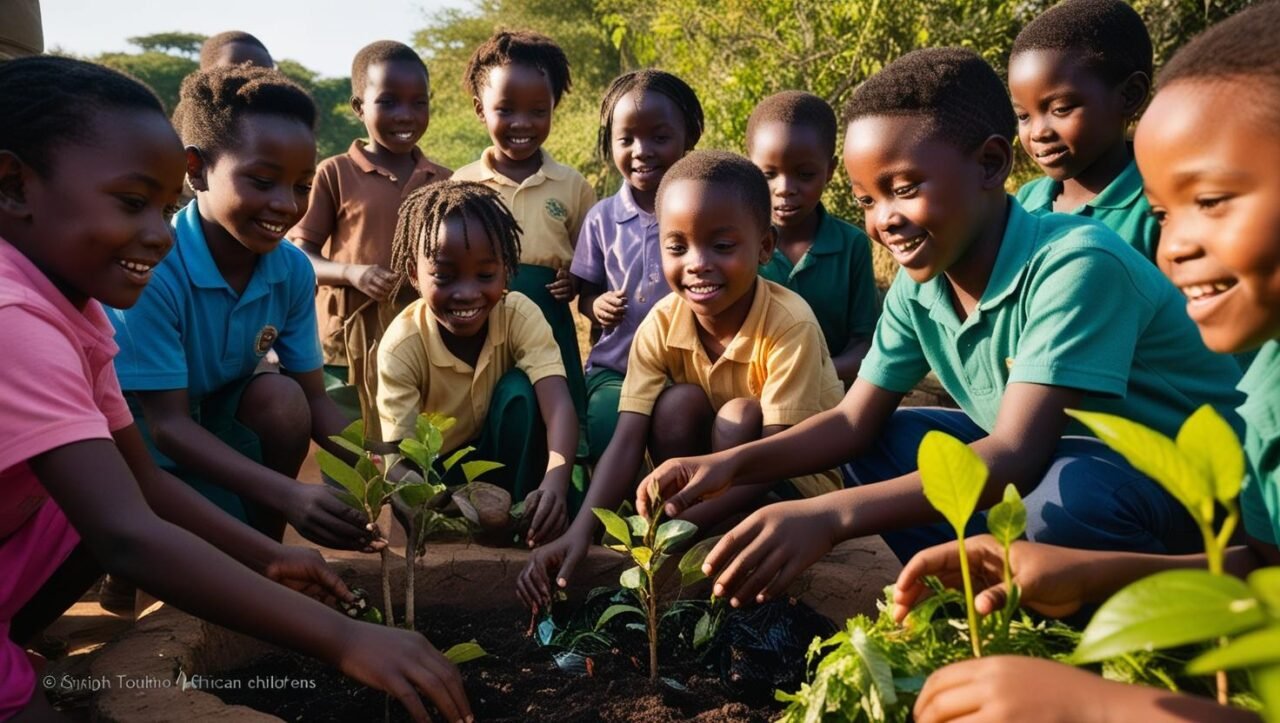
As environmental challenges like climate change and resource depletion become more pressing, teaching children about sustainability is more important than ever. Early environmental education instills lifelong habits that help students understand and protect the world they live in. Here’s why it matters and how educators can promote sustainable practices in the classroom. Why Environmental Education Matters Builds Awareness and Responsibility Learning about environmental issues from a young age fosters a sense of When students understand the impact of their actions on the planet, they’re more likely to make choices that benefit the environment. Promotes Lifelong Sustainable Habits Kids who are taught sustainable practices like recycling, conserving water, or reducing waste, they carry these habits into adulthood, positively influencing their families and communities. Encourages Critical Thinking Environmental education encourages students to think critically about global issues, like pollution and They learn to ask questions, analyze solutions, and consider how their actions affect the environment. Prepares Students for Future Careers Sustainability is becoming a priority in many Teaching students about environmental issues prepares them for careers in fields like renewable energy, conservation, and sustainable agriculture.   Practical Tips for Teaching Sustainability Introduce Eco-Friendly Habits Early Teach young children simple actions like turning off lights, conserving water, and reusing These small steps make environmental responsibility relatable and manageable. Incorporate Nature in Learning Outdoor learning activities help students connect with nature. Nature walks, gardening, and studying plants and animals foster appreciation for the environment and teach students about ecosystems. Create a Recycling Program in the Classroom Set up recycling bins for paper, plastic, and Explain how recycling reduces waste and teach students what items can be recycled. Involve them by assigning “recycling monitors” to encourage participation. Use Hands-On Sustainability Projects Practical projects, like building a compost bin or creating art from recyclable materials, engage students and show them how sustainability can be fun. Composting, for example, teaches kids about natural cycles and reducing waste. Teach Energy Conservation Discuss ways to conserve energy, like turning off electronic devices and using natural light. Explain how reducing energy use helps the environment by saving resources and lowering pollution. Involve Families and Communities Encourage students to share what they learn with their families. Host eco-friendly events, such as community clean-ups or “green days” where students bring in recyclable materials from home. Celebrate Earth Day and Other Environmental Events Use Earth Day as an opportunity for themed lessons and activities on environmental topics. Activities like tree planting, recycling drives, or creating “Earth Day promises” promote active participation.   Creating a Sustainable Mindset When students learn about sustainability early on, they gain the knowledge and motivation to make a positive impact on their world. By fostering environmental awareness, educators can guide students toward a future where they actively contribute to conserving resources, reducing waste, and protecting the environment.

admin6 November 2024
Article-N0-3-1280x720.jpg

2min5400
Education isn’t just about textbooks; it’s about preparing students for life. From nursery to university, here are essential life skills that help students grow into well-rounded, capable individuals. Critical Thinking and Problem-Solving Early Years: Use simple puzzles and fun problem-solving games. Primary to Secondary: Group challenges encourage teamwork and creative solutions. University: Case studies and real-world projects sharpen independent thinking. Communication Skills Early Years: Encourage storytelling and sharing to build confidence. Primary to Secondary: Debates and presentations help students articulate ideas. University: Public speaking and peer reviews build clear, persuasive communication. Financial Literacy Primary: Teach basic budgeting with points or tokens for classroom activities. Secondary: Introduce budgeting exercises, such as planning a small event. University: Budgeting workshops and real-life finance exercises prepare students for managing personal finances. 4.   Emotional Intelligence (EI) Early Years: Teach empathy through storytelling and sharing. Primary to Secondary: Use group activities to build empathy and understanding. University: Workshops on self-awareness and resilience help students manage stress and relationships. Digital Literacy Primary: Basic computer skills and safe internet use. Secondary: Teach online research skills and digital projects. University: Advanced digital tools and responsible digital communication for professional life. Teaching these skills makes education relevant and empowering, preparing students at every stage to succeed in life beyond the classroom.

admin6 November 2024
Article-No-2-1280x720.jpg

3min28890
The recent tragic event at Obada Grammar School in Ogun State, Nigeria, where a student named Monday Arijo lost his life after severe corporal punishment by a teacher, has highlighted the critical need for emotional intelligence in education. This heartbreaking incident shows how a lack of empathy and self-regulation can lead to devastating outcomes, underscoring why emotional intelligence (EI) is an essential skill for every educator. Understanding Emotional Intelligence in Teaching Emotional intelligence refers to the ability to understand and manage one’s emotions and to empathize with others. For educators, EI enables them to connect with students, foster a safe learning environment, and handle challenges constructively. Here’s how it plays a vital role: Empathy: By seeing things from a student’s perspective, educators can build trust and respond more compassionately, avoiding punitive measures that may harm a child. Self-Regulation: Managing emotions helps teachers remain calm under pressure, reducing the likelihood of harsh or harmful disciplinary actions. Effective Communication:  Clear,  empathetic  communication  allows educators to address misbehavior constructively without resorting to physical punishment. Developing Emotional Intelligence as an Educator To prevent future tragedies and create positive learning environments, educators can work on building their emotional intelligence through these simple practices: Practice Active Listening:  By  listening  fully,  educators  can  better understand student needs, which helps build empathy and reduces frustration. Reflect on Emotional Triggers: Recognize and reflect on moments when emotions run high to handle future situations more Engage in EI Training: Many professional development programs now include training on emotional intelligence, providing valuable tools for managing classroom Developing Emotional Intelligence as an Educator To prevent future tragedies and foster positive learning environments, educators can build their emotional intelligence through these practices: Practice Active Listening: By listening fully, educators can better understand students’ needs, which helps build empathy and reduces frustration. Reflect on Emotional Triggers: Recognize and reflect on moments when emotions run high to handle future situations more calmly. Engage in EI Training: Programs like TheSchoolLead offer emotional intelligence training specifically designed for educators, equipping them with tools for managing classroom challenges with empathy and self-regulation. Such programs support educators in developing the skills necessary to create safe, nurturing learning environments.

admin6 November 2024
Article-No-1-1280x720.jpg

4min4470
Across Nigeria, young people are stepping up to create solutions for pressing issues in their communities. Driven by innovation and a commitment to bettering society, these entrepreneurs are turning challenges into opportunities, particularly in waste management. Here are some standout stories of young Nigerians who are making a difference, proving that age is no barrier to impactful change. Mariam Lawani – Turning Waste into Wealth with GreenHill Recycling Mariam Lawani, a visionary in environmental sustainability,    founded GreenHill Recycling Limited to combat pollution and transform waste into economic Her enterprise offers users a rewards-based recycling system where they can earn cash or incentives for recyclable materials. This initiative not only reduces waste but also provides an economic boost to communities by creating value from items that would otherwise be discarded. Since receiving support from the Orange Corners Innovation Fund, GreenHill Recycling has grown significantly, showing the potential of Mariam’s model to expand nationwide. Her story demonstrates the power of innovation in addressing environmental issues while also empowering people financially.  Bilikiss Adebiyi-Abiola – The Trailblazer Behind WeCyclers In 2012, Bilikiss Adebiyi-Abiola co-founded WeCyclers, a social enterprise that uses low-cost cargo bicycles to make recycling accessible in low- income communities in Lagos. Through WeCyclers, families can exchange recyclable waste like plastic bottles and cans for points, which can be redeemed for household items. This simple but effective model promotes environmental awareness while helping communities reduce waste. By partnering with the Lagos Waste Management Authority, WeCyclers collects and sells recyclable materials to manufacturers, creating a sustainable business cycle that benefits both the community and the environment. Bilikiss’s work has inspired a movement towards community- driven recycling solutions across Nigeria. Chioma Ukonu – Rewarding Communities with RecyclePoints As the co-founder and COO of RecyclePoints, Chioma Ukonu has created one of Nigeria’s leading waste recycling platforms. RecyclePoints encourages individuals and communities to recycle by offering incentives, transforming everyday waste into value. Participants can trade in recyclables, like plastic and metal, for points that can be redeemed for cash or household items. Chioma’s initiative  promotes  responsible  waste  disposal  while  also creating economic opportunities. Through her dedication to environmental sustainability, RecyclePoints has become a model for recycling ventures in Nigeria, fostering a culture of recycling and social impact.   Ifedolapo Runsewe – Innovation through Freetown Waste Management Ifedolapo Runsewe founded    Freetown    Waste      Management    Recycle Limited, a company that tackles the environmental problem of waste By transforming discarded vehicle tyres into reusable products, Ifedolapo has found a creative way to reduce pollution and generate income. Her approach addresses both environmental challenges and the demand for repurposed materials, showing how waste can be a valuable resource. Ifedolapo’s work highlights the economic potential in recycling, illustrating how business can play a role in environmental conservation. Her journey has inspired many to rethink waste and consider sustainable solutions to Nigeria’s environmental challenges.   These inspiring young entrepreneurs are proof that even the most daunting issues can be addressed with creativity and commitment. They’re showing Nigeria—and the world—that young people can lead change, drive innovation, and create sustainable solutions that benefit both the economy and the environment. As they expand their initiatives, they serve as a reminder that every challenge presents an opportunity for impactful change. Are you inspired by these stories? Join us in celebrating the next generation of Nigerian changemakers who are redefining possibilities and making a difference!

admin16 October 2024
Article-No-4-1280x720.jpg

3min9020
As the educational landscape in Nigeria evolves, it is crucial to recognize and support students with learning differences. These diverse learners require tailored approaches to thrive academically and socially. Here are five key strategies to enhance their educational experience: Early Identification and Assessment Identifying learning differences early is essential for effective intervention. Schools should implement regular assessments and screenings to recognize students who may need additional support. This proactive approach enables timely interventions, helping students receive the assistance they require to succeed. Inclusive Teaching Strategies Adopting inclusive teaching methods can significantly benefit students with learning differences. Educators should employ differentiated instruction, using a variety of teaching techniques to accommodate diverse learning styles. This may include visual aids, hands-on activities, and collaborative projects that engage all students. Training for Educators Providing professional development for teachers is vital. Training sessions on understanding learning differences, classroom management techniques, and the use of assistive technology can equip educators with the skills needed to support diverse learners effectively. Well-informed teachers can create a more inclusive and responsive classroom environment. Collaboration with Parents and Specialists Building strong partnerships with parents and learning specialists is crucial. Regular communication with families about their child’s progress fosters a supportive home environment. Additionally, collaborating with special education professionals can provide teachers with valuable insights and resources tailored to individual student needs. Creating Supportive Environments Schools should strive to create safe and supportive environments that celebrate diversity. Encouraging peer support programs and promoting empathy among students can reduce stigma and foster a sense of belonging. When students feel accepted, they are more likely to engage and thrive academically. Conclusion Supporting students with learning differences is essential for building an inclusive educational system in Nigeria. By implementing these key strategies, educators and schools can empower all students to reach their full potential, creating a brighter future for the nation as a whole.

admin16 October 2024
Article-No-3-1280x720.jpg

4min6190
In an increasingly competitive and stressful world, mental health has emerged as a crucial aspect of overall well-being, particularly among students. In Nigeria, where academic pressures and societal expectations are high, it is essential to prioritize mental health awareness within the education system. This article explores the current landscape of mental health in Nigerian schools and the importance of creating supportive environments for students. The Growing Need for Mental Health Awareness Recent studies indicate a rise in mental health issues among young people globally, and Nigeria is no exception. Factors such as academic pressure, family expectations, and social media influence contribute to increased stress and anxiety levels among students. According to a 2021 report by the World Health Organization, approximately 10-20% of children and adolescents experience mental disorders, highlighting the urgent need for intervention. The Impact of Mental Health on Academic Performance Mental health issues can significantly affect students’ academic performance and overall quality of life. Students struggling with anxiety or depression may find it difficult to concentrate, participate in class, or complete assignments. The consequences can lead to poor academic results, increased dropout rates, and long-term challenges in personal and professional lives. Breaking the Stigma: Why Mental Health Awareness Matters Creating Supportive Environments: By promoting mental health awareness, schools can foster environments where students feel safe discussing their struggles. This can help break the stigma surrounding mental health issues, encouraging students to seek help without fear of Early Intervention: Raising awareness can lead to early identification of mental health issues. Training teachers to recognize signs of distress in students can enable timely intervention, preventing more severe issues from developing. Empowering Students: Educating students about mental health empowers them to take charge of their well-being. Workshops and programs focused on stress management, coping strategies, and self-care can equip students with essential skills for navigating life’s challenges. Initiatives Promoting Mental Health in Nigerian Schools School Counseling Programs: Some schools in Nigeria are beginning to implement counseling programs to provide students with access to mental health These programs help students cope with academic pressures and personal issues, creating a support network within the school community. Mental Health Awareness Campaigns: NGOs and local organizations are launching campaigns to raise awareness about mental health issues in schools. By organizing workshops, seminars, and community outreach, these initiatives aim to educate students, parents, and educators about the importance of mental well-being. Integration into the Curriculum: Schools can integrate mental health education into their curricula, teaching students about emotional intelligence, resilience, and healthy coping mechanisms. This proactive approach can help foster a culture of mental health awareness from an early age. Conclusion: A Collective Responsibility As Nigeria navigates the complexities of modern education, prioritizing mental health awareness in schools is vital for the well-being of students. By creating supportive environments, breaking the stigma surrounding mental health, and implementing proactive initiatives, educators and policymakers can ensure that students thrive both academically and personally. The future of Nigeria depends on nurturing not only intelligent minds but also resilient and healthy individuals ready to tackle the challenges of tomorrow.