
 Tech & Tools Desk
Europe Warns Moscow: No Rewrite of Ukraine’s Borders by Force
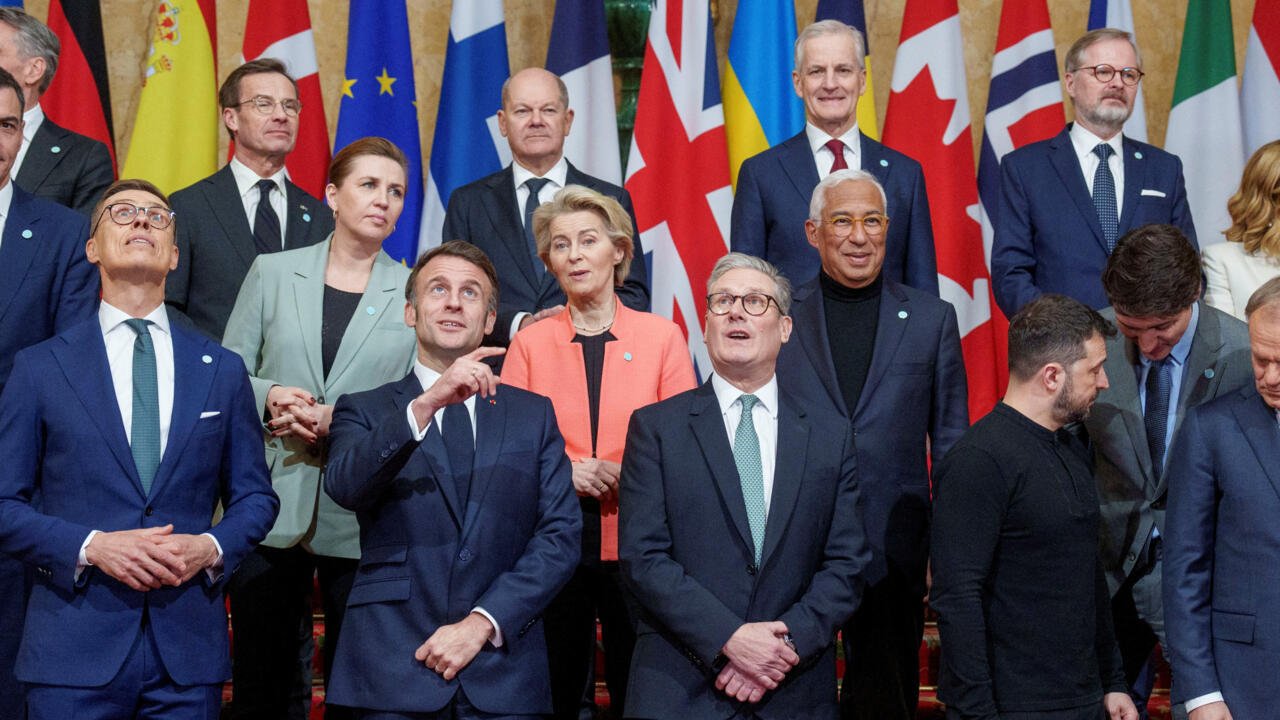
Two days before a planned US–Russia summit on Ukraine in Alaska, 26 of the EU’s 27 leaders warned against any attempt to change Ukraine’s borders through force, affirming that “the people of Ukraine must have the freedom to decide their future” and that “territorial integrity” must be upheld. Hungary’s prime minister, Viktor Orbán, did not sign.
The declaration reflects European unease over Moscow’s actions and the potential spillover for regional security—concerns felt most acutely by countries bordering Russia or with memories of Soviet occupation. In recent years, Sweden and Finland have joined NATO, Baltic states have restored conscription, and Poland has earmarked billions for a barrier along its frontier with Russia.
EU capitals insist that legal recognition of territory seized by force is unacceptable. Still, debate is growing over whether some areas now under Russian control may not return to Kyiv’s authority. US President Donald Trump has said any peace deal would involve “some swapping of territories,” potentially granting Russia the entire Donbas and allowing it to keep Crimea, in exchange for relinquishing control of the Kherson and Zaporizhzhia regions it partly occupies. NATO chief Mark Rutte recently acknowledged that some Ukrainian territory might remain under Russia’s de facto control but stressed there should be no formal recognition.
The European leaders’ statement argued that “Russia’s war of aggression against Ukraine has wider implications for European and international security” and called for a “just and lasting peace.” It reiterated that Ukraine must be able to “defend itself effectively,” pledging continued military support as Kyiv exercises its inherent right of self-defence. The EU also reaffirmed Ukraine’s right to choose its own path and vowed to keep backing its bid for EU membership.
A note at the bottom of the declaration stated that “Hungary does not associate itself with this statement.” Orbán, posting on social media, said he withheld support because the text sought to lay down conditions for a meeting to which the EU was not invited, and cautioned against “providing instructions from the bench.” He also urged the EU to organise its own talks with Russia—moves EU leaders have avoided since the full-scale invasion began in February 2022.
Trump said on Monday that he had asked Orbán about Ukraine’s chances of defeating Russia militarily. “He looked at me like, ‘What a stupid question’,” Trump recounted, implying Orbán believed Russia would keep fighting until it prevailed.
EU leaders are due to meet Trump on Wednesday, aiming to keep Europe’s security and Ukraine’s interests front and centre amid fears that any eventual settlement could be neither “just” nor “lasting.” Trump and Russian President Vladimir Putin are then expected to meet in Alaska on Friday.