

 James Obasi
Fuel Price Reduced To ₦815/Litre in Abuja by NNPC
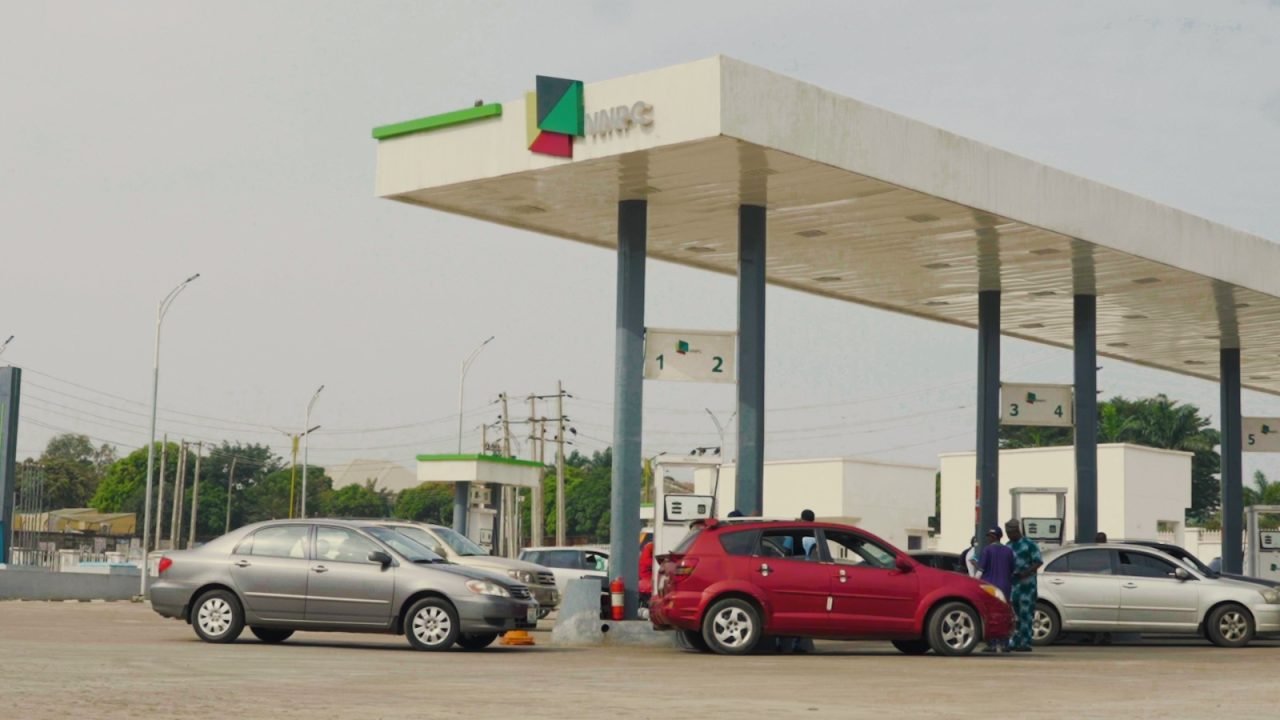
The Nigerian National Petroleum Company Limited (NNPC) has reduced the pump price of Premium Motor Spirit (petrol) at its retail outlets in Abuja to ₦815 per litre.
The new rate marks a ₦20 reduction from the previous ₦835 per litre previously sold at NNPC stations. The revised price has been implemented at filling stations across the Federal Capital Territory, including Lugbe, Wuse Zones 4 and 6, the Keffi–Abuja Road, and the Kubwa Expressway.
Despite the reduction, NNPC’s price remains ₦76 higher than the ₦739 per litre currently offered at Dangote Refinery-backed MRS outlets nationwide. Observations across Abuja on Monday showed notable price variations among different retail stations. Matrix stations sold petrol at ₦840 per litre, Sunlight outlets at ₦825, and Optima Energy at ₦835, while several NNPC stations, such as those in Lugbe and opposite Shoprite, reflected the ₦815 price. MRS stations continued to offer the lowest rate at ₦739 per litre.
The latest price adjustment comes amid growing competition in Nigeria’s downstream oil sector following the large-scale supply of petrol from Dangote Petroleum Refinery. On December 19, 2025, NNPC had previously reduced its petrol price by ₦80, from ₦915 to ₦835 per litre, responding to a market-driven price war initiated by Dangote Refinery, which had lowered its ex-gantry price to ₦699 per litre on December 12, 2025—the lowest in about two years.
The ongoing price movements reflect the early impact of deregulation and the expansion of domestic refining capacity, which has pushed marketers to respond to market competition rather than fixed pricing.
While consumers benefit from the reductions, price volatility continues to affect the market. Independent marketers have expressed concerns over narrowing margins and inconsistent access to competitively priced petrol.
The Federal Government has maintained that petrol prices will be determined by market forces, as Nigerians closely monitor how local refining output will influence supply and pricing in the months ahead.