

 Zara Lianne
Nigeria’s Debt Crisis Deepens, May Hit N200 Trillion in 2025 — Peter Obi
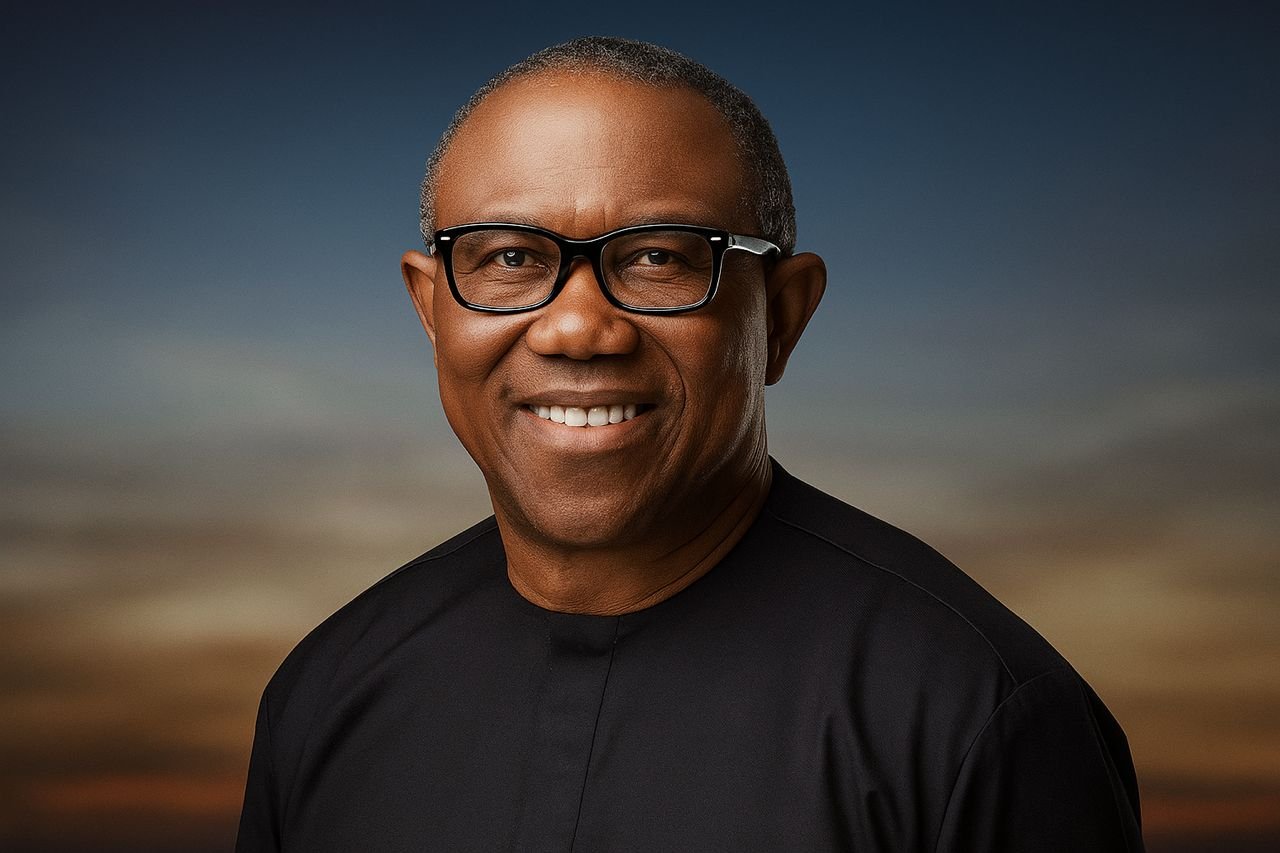
Presidential candidate in the 2023 general election, Peter Obi, has raised concerns over the federal government’s increasing appetite for borrowing, warning that Nigeria’s debt burden could exceed N200 trillion before the end of 2025.
Obi’s comments follow the recent approval by the Senate of an external borrowing plan totaling $21 billion, €2.2 billion, and ¥15 billion for the 2025–2026 fiscal cycle. The approval also included a domestic bond issuance of N750.98 billion and a €65 million grant.
According to Obi, Nigeria’s total public debt, which stood at N149.39 trillion in the first quarter of 2025, would rise to approximately N187 trillion with the newly approved loans. He cautioned that continued borrowing at this rate could push the total beyond N200 trillion by year-end.
He noted that even after the recent rebasing of Nigeria’s GDP from N269.2 trillion to N372.8 trillion, the country’s debt-to-GDP ratio remains alarmingly high about 50.16 percent, the highest in the nation’s history.
“Borrowing is not inherently wrong if it’s sustainable and invested in productive sectors with measurable outcomes,” he said. “But what we’re seeing is reckless borrowing without accountability, while critical sectors like education, healthcare, power, and infrastructure remain grossly underfunded.”
Obi pointed out that Nigeria still ranks low on global human development indicators. Despite increased spending, particularly in security, the country continues to face worsening insecurity. Over 10,000 people have been killed and more than 600 villages destroyed between May 2023 and May 2025.
He also highlighted the crisis in the healthcare sector, where malnutrition has claimed the lives of over 650 children in northern Nigeria, with Katsina State among the worst affected. International aid agencies have raised alarms over the deepening emergency.
Obi criticized the state of national infrastructure, noting that out of 195,000 kilometers of roads, about 135,000 remain unpaved and largely unusable. Meanwhile, power generation continues to hover below 5,000 megawatts for a population of over 200 million.
“Despite all the loans, over 63 percent of Nigerians about 133 million people are now classified as multi-dimensionally poor. This fiscal indiscipline is mortgaging the future of young and unborn Nigerians,” he said.
He called for a return to responsible economic management, urging leaders to cut the cost of governance, block financial leakages, and invest in human capital to build a productive economy.
“It’s time to stop the reckless borrowing and build a Nigeria where leadership is responsible, development is people-centered, and every borrowed kobo delivers real, measurable impact.”