

 James Obasi
Nutritionists Urge Parents to Stop Giving Children Only Noodles
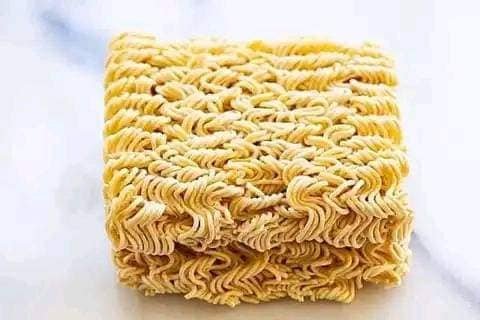
Nutrition experts have advised parents to reduce their reliance on instant noodles as meals for children, warning that the popular food lacks the nutrients needed for proper growth and development.
They noted that while noodles provide quick energy, they are deficient in protein, vitamins, and minerals essential for a balanced diet. Increasing dependence on noodles as a convenient option without adding other food groups, they said, is contributing to rising cases of malnutrition and weak immunity among children.
The experts stressed the importance of balanced meals that include fruits, vegetables, grains, and affordable sources of protein.
A former President of the Nutrition Society of Nigeria, Prof. Wasiu Afolabi, explained that although instant noodles may be convenient, they do not meet the nutritional needs of growing children.
“Instant noodles are made mainly from cereals, so they provide primarily energy. They do not supply the protein, vitamins, and minerals that children require. If eaten regularly without other foods, they can dominate a child’s diet without providing the full range of nutrients needed for growth,” he said.
Afolabi emphasised that children need more than energy, urging parents to combine noodles with protein and vegetables whenever they are served.
“Children need not just energy but also protein, vitamins, and minerals. If parents must serve noodles, they should include eggs, vegetables, and other additions to make them more nutritious. A simple rule in nutrition is: the more colours in a meal, the healthier it is,” he added.
He warned that over-reliance on noodles exposes children to both short-term and long-term health risks.
“When children are fed mainly on instant noodles, it results in a monotonous diet with limited nutrients. In the short term, such children may not grow well and may fall sick more often due to poor immunity. In the long term, malnutrition can cause stunted growth, frequent illness, and reduced physical and mental potential. Adults who were malnourished as children may also be at greater risk of non-communicable diseases such as diabetes and cancer,” Afolabi said.
He advised parents to prioritise dietary variety, noting that nutritious alternatives are often available even when some foods become expensive.
“The most important thing is variety in meals. If beans are costly, other legumes can provide similar or even better nutrition at lower cost. Local foods that are affordable and nutritious should not be overlooked,” he explained.
He also encouraged practical solutions such as backyard farming to support family nutrition.
“Families can grow vegetables, tomatoes, peppers, sweet potatoes, or beans even from small spaces at home. Producing some foods reduces costs and makes it easier to buy protein sources. Combining home-grown foods with affordable local options helps ensure children get balanced diets,” he said.
Prof. Beatrice Ogunba, a Professor of Public Health Nutrition at Obafemi Awolowo University, Ile-Ife, added that certain foods should be avoided during complementary feeding. She explained that when breast milk alone is no longer sufficient for infants, the World Health Organisation (WHO) and UNICEF recommend avoiding unhealthy foods such as sweetened beverages, candies, fried snacks, instant noodles, and baked or fried confections.
The guidelines also recommend including at least one serving of vegetables (80g) with every meal for children in the target age group.
Ogunba warned that poor complementary feeding practices are a major contributor to the high prevalence of malnutrition among children under five years of age in Nigeria.