

 James Obasi
Reps Investigate Tax Deductions and Multiple Bank Charges
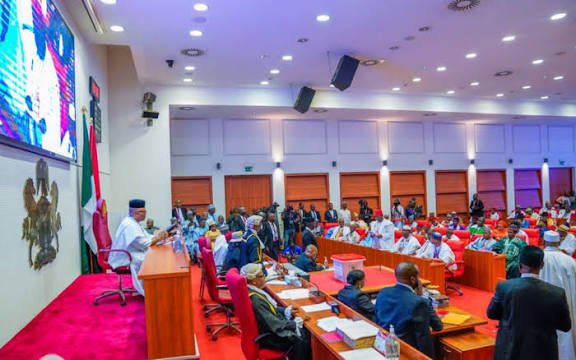
The House of Representatives has set up an ad-hoc committee to investigate mounting complaints over excessive tax deductions from the earnings of civil and public servants, alongside multiple and unclear charges imposed by commercial banks on customers.
The committee, chaired by Hon. Kelechi Nwogu from Rivers State, was inaugurated in Abuja on Thursday by Speaker Tajudeen Abbas.
Across the country, Nigerians have continued to express frustration over unexplained deductions from their salaries and bank accounts. Civil and public servants, in particular, lament being subjected to overlapping taxes, levies, and charges that further strain their limited incomes.
Experts have linked the issue to Nigeria’s complicated tax system, where overlapping deductions by federal, state, and local agencies often result in double taxation and poor accountability. In addition, some workers allege that deducted funds—such as pensions and housing contributions—are not fully remitted to the relevant authorities. Meanwhile, commercial banks have faced backlash for a variety of service charges, including stamp duty, VAT, card maintenance, and transfer fees, often applied simultaneously on the same transaction.
Responding to these widespread concerns, the House inaugurated the Nwogu-led committee to look into the allegations and ensure transparency in both public and private financial dealings.
The investigation will seek clarifications from the Central Bank of Nigeria, the Federal Inland Revenue Service, and commercial banks, with the goal of promoting fairness, consumer protection, and trust in Nigeria’s financial system.
In his remarks, Hon. Nwogu said the committee’s creation was a response to the growing outcry from Nigerians over persistent, unexplained deductions by government bodies and financial institutions.
He described the probe as a vital step in reinforcing the National Assembly’s dedication to fairness, transparency, and accountability.
“It is with great honour and responsibility that I address you as Chairman of this ad-hoc Committee,” Nwogu said. “Our goal is to ensure that financial operations in both public and private institutions align with principles of equity and justice.”
He explained that the committee would review the nature, legality, and implementation of taxes, levies, and deductions affecting public workers, while also examining potential cases of non-remittance.
Additionally, the committee will scrutinize various bank charges and VAT applications on service fees to guarantee fairness and transparency in financial transactions.
“Our objective is to identify irregularities, propose reforms, and protect the rights of all Nigerians,” Nwogu emphasized. “We are committed to making far-reaching recommendations—no matter whose interests are affected.”
He called for cooperation from government agencies, banks, regulatory institutions, and civil society organizations, stressing that the committee’s work would go beyond identifying problems to delivering practical solutions that restore public confidence in the financial system.
Also speaking, the Speaker, Tajudeen Abbas—represented by Chief Whip Bello Kumo—reaffirmed the commitment of the 10th National Assembly to safeguarding citizens from exploitative financial practices.
He noted that the establishment of the committee reflects the legislature’s responsiveness to citizens’ complaints about arbitrary deductions from salaries and accounts.
“Public servants who diligently serve this nation should not be burdened by unfair financial practices that reduce their already strained earnings,” Abbas said.
He expressed concern over the growing problem of multiple and unclear bank charges, warning that such actions erode public trust and worsen the economic difficulties faced by Nigerians.
“The persistence of multiple bank charges undermines confidence in our financial institutions and imposes an unnecessary strain on citizens,” he said. “Demands for transparency and fairness in banking must be treated with urgency.”
The Speaker urged committee members to carry out their assignment with integrity and diligence, engaging all relevant stakeholders to ensure a thorough, solution-driven investigation.
“This is an opportunity to rebuild public trust and reinforce financial justice in Nigeria,” Abbas concluded.