Tag: AstraZeneca

Ifunanya Okafor27 February 2025
AstraZeneca-Powers-Up-with-Renewable-Energy-at-New-Biomethane-Plant-1280x744.jpg

2min10250
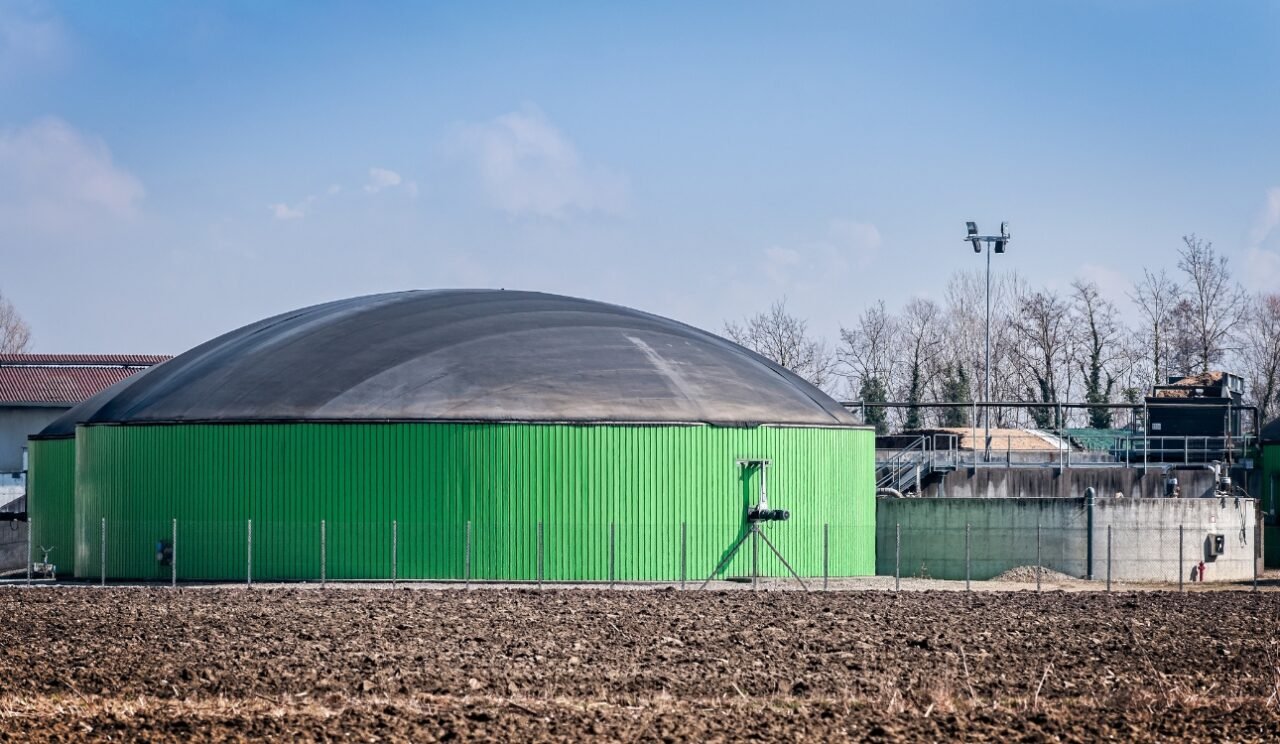
AstraZeneca has taken a major leap in its sustainability journey by opening a new biomethane plant in Lincolnshire, United Kingdom. The facility converts organic waste into renewable biogas, ensuring that by the end of this year, all of the company’s research and development and drug manufacturing operations in Britain will be powered by clean energy. Developed in partnership with Future Biogas, the plant is set to generate 100 gigawatt hours of renewable energy annually, enough to cover 20% of AstraZeneca’s global gas consumption. This initiative forms a key part of the company’s broader strategy to reduce its carbon footprint and move toward net-zero emissions by 2045. By embracing cutting-edge biogas technology, AstraZeneca is not only reducing its environmental impact but also setting a new standard for sustainability within the pharmaceutical industry. The move supports the UK’s ongoing efforts to decarbonize its energy infrastructure and offers a model for integrating renewable energy solutions into critical industrial operations. This forward-thinking project highlights the increasing role that renewable energy is playing in transforming how industries operate, paving the way for a cleaner, more sustainable future.

Ifunanya Okafor26 February 2025
7-2-1280x744.jpg

1min4280
AstraZeneca’s experimental treatment, camizestrant, has shown significant promise in improving survival for patients with advanced hormone receptor-positive, HER2-negative breast cancer, according to interim results from a late-stage clinical trial. The SERENA-6 trial tested camizestrant in combination with a standard-of-care therapy that suppresses tumor growth proteins. The study found that the drug improved progression-free survival, meaning it helped patients live longer without their disease worsening when used as a first-line treatment. “These findings mark an important step forward in our mission to provide more effective treatment options for patients battling advanced breast cancer,” AstraZeneca stated. Earlier trials had already highlighted camizestrant’s effectiveness, particularly in patients with ESR1 mutations, a genetic alteration known to make breast cancer resistant to traditional hormone therapies. The drug works by degrading estrogen receptors, preventing the hormone from fueling cancer growth. The promising results suggest that camizestrant could become a new standard of care for breast cancer patients, particularly those whose tumors have stopped responding to existing treatments. AstraZeneca plans to continue further studies to confirm the long-term benefits of the drug.

Ifunanya Okafor21 February 2025
Astrazeneca-1280x744.jpg

3min4620
Global pharmaceutical giant AstraZeneca has taken a bold step in strengthening its presence in China by acquiring FibroGen’s China unit for approximately $160 million. This move secures full rights to the anemia drug roxadustat and underscores AstraZeneca’s commitment to one of the world’s fastest-growing pharmaceutical markets. Strategic Expansion Amid Regulatory Scrutiny China has become a key battleground for global pharmaceutical companies, with its biotech industry rapidly expanding. AstraZeneca, which derives around 12% of its revenue from China, is doubling down on its investment despite facing regulatory investigations into its operations and leadership. The acquisition of FibroGen’s China unit is not just about securing a highly profitable anemia treatment. it also highlights China’s rising influence in global biotech. Once considered a secondary player, China now accounts for nearly 30% of large pharmaceutical transactions, compared to just 5% in 2020. This growth is fueled by world-class research talent, cost-effective clinical trials, and improved regulatory frameworks, making the country an attractive hub for biotech innovation. AstraZeneca’s Long-Term Bet on China Roxadustat, marketed as Evrenzo, is already approved in China for treating anemia in chronic kidney disease patients and is under review for chemotherapy-induced anemia. The drug generated $284 million in sales in 2023, positioning AstraZeneca to deepen its market dominance in this critical treatment area. This deal follows AstraZeneca’s $1.2 billion acquisition of Gracell Biotechnologies in December 2024, further cementing its long-term bet on China’s biotech potential. However, regulatory uncertainties remain a challenge, and the company must navigate these complexities carefully to sustain its growth in the region. What This Means for the Industry With this acquisition, AstraZeneca joins a growing list of global pharma giants investing heavily in China, signaling that the country’s biotech sector is no longer just an emerging market but a global powerhouse. However, as AstraZeneca expands, its ability to manage regulatory scrutiny and local market dynamics will determine whether this move leads to sustained success. Photo credit: Financial times