
 Edupreneur Editorial Team
Related Articles
WHO Conducts Global Exercise to Strengthen Pandemic Response
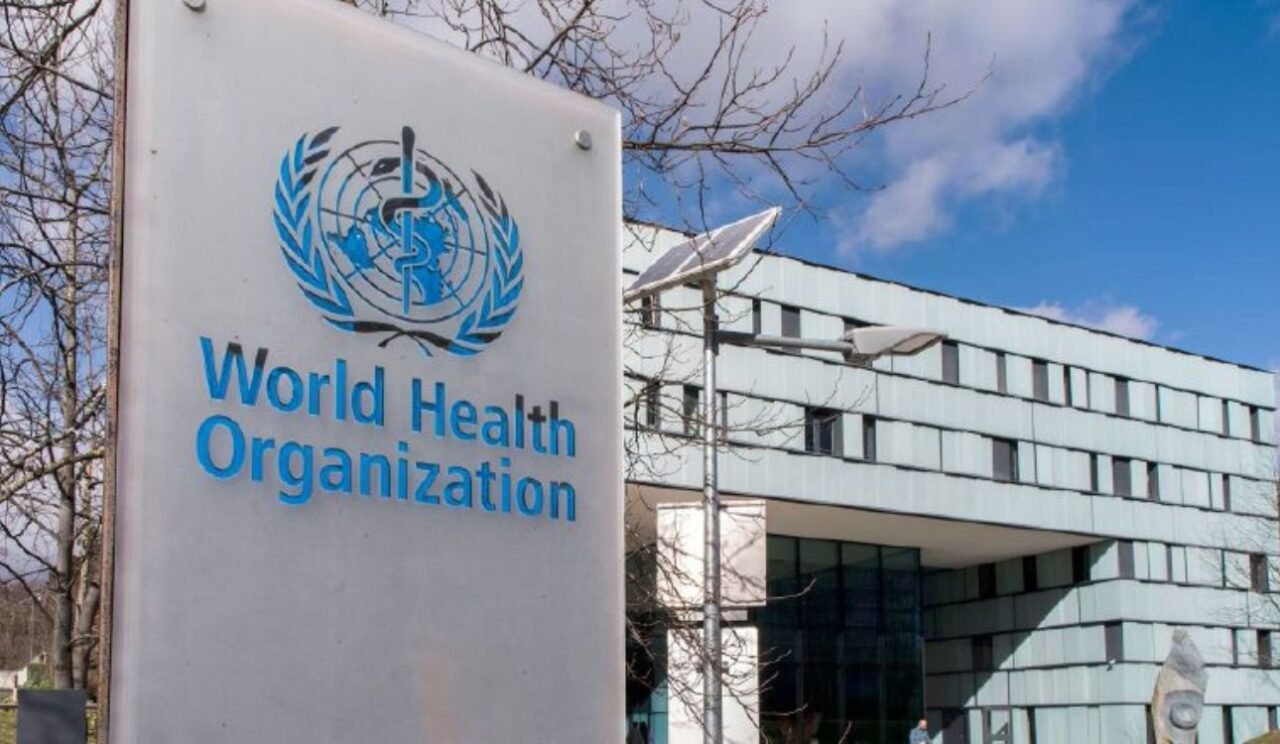
The World Health Organization (WHO) has recently conducted a global simulation aimed at testing and enhancing the preparedness of countries to respond to future pandemics. This two-day exercise, named Exercise Polaris, took place on April 4-5, 2025, and involved more than 15 nations working together to simulate a health crisis scenario.
The primary goal of Exercise Polaris was to evaluate how the WHO’s Global Health Emergency Corps (GHEC) can assist countries during large-scale health emergencies. Countries like Canada, Colombia, Costa Rica, Ethiopia, Germany, Saudi Arabia, and Ukraine were part of the drill, which involved responding to a fictional virus spreading rapidly around the globe.
Key Objectives and Insights:
-
The exercise tested the international coordination and collaboration needed to address a global health crisis.
-
Participants worked to demonstrate the importance of efficient communication, rapid decision-making, and coordinated efforts in managing a pandemic.
-
WHO leadership highlighted that global cooperation is essential to handling future pandemics.
Dr. Tedros Adhanom Ghebreyesus, the WHO Director-General, emphasized the importance of unity in response efforts, stating that “no country can tackle a pandemic alone,” and that the exercise showed that global collaboration is not only possible but vital.
Dr. Mike Ryan, WHO’s Executive Director of Health Emergencies, echoed this sentiment, noting that the success of the exercise showed what could be achieved when countries act with urgency and work together under the guidance of health experts.
GHEC’s Role: The Global Health Emergency Corps, launched by the WHO in 2023, plays a crucial role in responding to health emergencies. The initiative aims to create a network of health professionals who can be mobilized during crises, reinforcing the message that collective action is key in combating pandemics.
Looking to the Future: Exercise Polaris serves as a valuable learning experience for governments worldwide, highlighting areas that need strengthening and providing an opportunity to improve global health emergency response strategies. It reminds us that readiness for the next pandemic depends on cooperation, trust, and swift action.
As global health leaders continue to refine emergency response frameworks, exercises like Polaris demonstrate the significant benefits of preparation and teamwork when it comes to safeguarding public health in the face of future threats.