

 Tech & Tools Desk
15 States Plan N10.7tn Budget for Infrastructure Projects
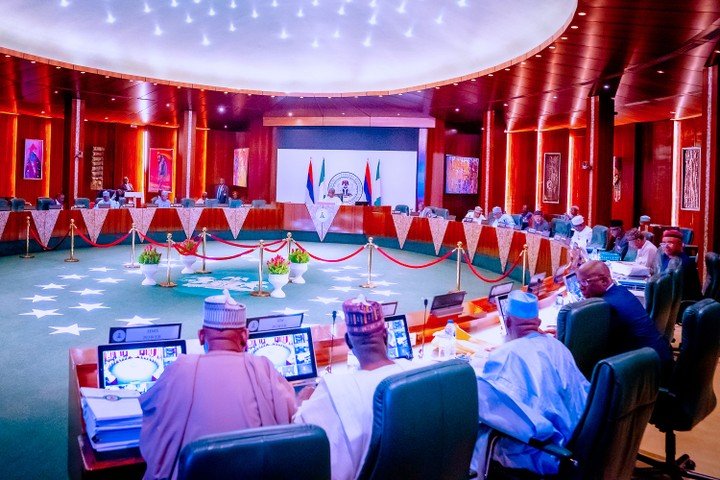
Fifteen states plan to spend over N10tn on infrastructure in 2026, marking a major fiscal effort to improve roads, schools, hospitals, and public utilities, according to an analysis of their budgets.
The states, including Lagos, Akwa Ibom, Enugu, Anambra, Kano, Imo, Yobe, Ebonyi, Oyo, Kaduna, Ekiti, Osun, Ondo, Edo, and Plateau, have collectively earmarked N10.7tn for capital expenditure this year.
Governors presented their budgets to state legislatures between November 2025 and January 2026, with approvals already signed. The focus on capital spending aims to strengthen human capital, enhance public services, and stimulate regional economies, though results will depend on how efficiently funds are deployed.
Nigeria continues to face significant infrastructure deficits, estimated at about $100bn annually and projected to reach $878bn by 2040, according to credit rating agency Augusto & Co. Ebonyi State leads in prioritising infrastructure, allocating N749.49bn, or 84.7 per cent of its N884.87bn total budget. Imo State follows with N1.2tn, 83.4 per cent of its N1.44tn budget, for capital projects.
Enugu State set aside N1.29tn, or 80 per cent of its N1.62tn budget, for roads, schools, and hospitals. Anambra plans N595.3bn (77.7 per cent of N766bn), and Akwa Ibom allocated N1.16tn (73.7 per cent of N1.584tn) to similar projects.
Most states remain heavily dependent on federally shared revenue, as internally generated revenue is limited. Funding for capital projects will largely rely on a mix of loans, bond issuances, grants, capital receipts, and public–private partnerships. Analysts note that leveraging these alternative sources is essential to ensure infrastructure spending results in tangible improvements.
Northern state Yobe will devote N291.9bn (56.6 per cent of N515.53bn), while Oyo State in the South-West plans N505bn (56.6 per cent of N892bn) for capital projects. Osun State set aside N388.38bn (55 per cent of N705bn), and Ekiti State will invest N193.7bn (46.6 per cent of N415.57bn).
Lagos State, despite having the largest total budget of N4.237tn, will allocate N1.23tn (29.2 per cent) for capital projects, reflecting a balanced approach between recurrent spending and development. Kaduna State earmarked N698.9bn (70.9 per cent of N985.9bn), with education taking a quarter of the allocation. Edo State plans N637bn (67.8 per cent of N939.85bn), Kano N934.6bn (63.3 per cent of N1.477tn), Plateau N501.09bn (61.3 per cent of N817.51bn), and Ondo N303.58bn (57.9 per cent of N524.41bn) for infrastructure.
Economists emphasise the need for states to focus on areas of comparative advantage such as agriculture, manufacturing, tourism, logistics, and services. Dr Ayodeji Ebo, Managing Director of Optimus by Afrinvest, noted that attracting investment requires reliable infrastructure, predictable regulation, accessible land, and stable tax policies. He added that stronger public-private partnerships and regional collaboration can unlock capital and efficiency, reducing dependence on borrowing.
“Long-term fiscal sustainability will depend not on higher transfers or more debt, but on productive local economies, broader tax bases, disciplined spending, and strategic collaboration,” Dr Ebo said.

