

 Lifestyle & Wellness Desk
2025 Bauchi Stakeholders Hail Oxygen Plant Project for Reducing Maternal, Child Mortality
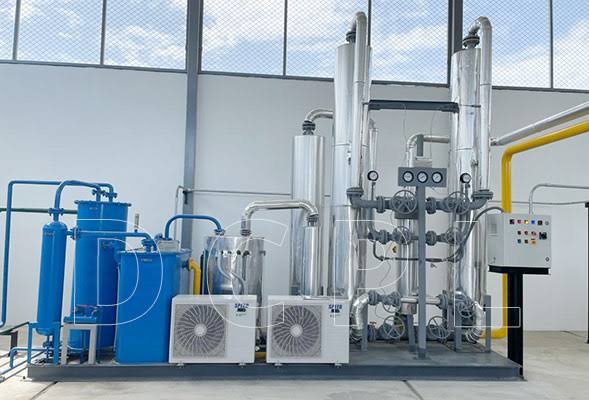
Health stakeholders in Bauchi State have commended the progress made in reducing maternal and child mortality, crediting part of the success to the installation of oxygen plants supported by IHS, UNICEF, and the Canadian government.
The Executive Chairman of the State Hospital Management Board, Dr. Mohammed Sambo, described maternal and child mortality as one of the state’s greatest health challenges, particularly cases related to pneumonia and respiratory complications among newborns.
He explained that the COVID-19 pandemic exposed critical weaknesses in Nigeria’s oxygen supply chain, prompting development partners to intervene. “After COVID-19, data revealed a global shortage of oxygen, and Nigeria was not spared. UNICEF, IHS, and the Canadian government stepped in to support, which led to the establishment of oxygen plants in selected states, including Bauchi,” he said.
The first plant, located at General Hospital Azare, was designed to serve a wide population, as most residents rely on secondary healthcare due to affordability and accessibility. Sambo disclosed that Bauchi now has three operational plants in Azare, Ningi, and Misau, serving the state’s senatorial districts.
“These plants are already saving lives pregnant women during cesarean sections, children under five, and patients in emergencies. The system is not profit-driven but structured to ensure sustainability through affordable pricing that covers maintenance and running costs,” he explained.
Despite the progress, Sambo noted the shortage of biomedical engineers and urged more young Nigerians to pursue careers in the field. He praised the engineers currently managing the plants and revealed that ongoing training programs were equipping more health workers with technical expertise.
At General Hospital Azare, the Principal Medical Officer, Dr. Bello Idris, confirmed that the oxygen plant has significantly reduced maternal and child mortality in the state. He said the facility provides oxygen at little or no cost, reducing unnecessary referrals to higher centres and easing the financial burden on low-income families. “Before now, patients who needed oxygen were always referred elsewhere. Today, we can handle such cases here, and this has cut down mortality and morbidity among children and mothers,” he said.
Dr. Idris added that the hospital sees about 2,500 outpatients monthly, with up to 300 children requiring oxygen therapy. He stressed that the plant has improved surgical safety and emergency response, though maintenance remains a challenge. He assured that arrangements between UNICEF and the state government would ensure long-term sustainability.
Similarly, Bara’atu Kinging, Unit Manager of the Special Baby Care Unit at the Federal University of Health Sciences Teaching Hospital, Azare, recalled the difficulties faced before the oxygen plant was established. “We had to travel over 100 kilometers to source oxygen during emergencies, often risking the lives of newborns. With the plant now in place, survival chances for babies have greatly improved,” she said.
The biomedical engineer in charge of the Azare plant, Philip Gabriel, revealed that the facility produces about 62 cylinders of 36.5 litres daily, meeting both the hospital’s needs and refills for nearby facilities. He identified unreliable power supply as a major constraint, with operations currently dependent on diesel generators. According to him, solar or stable electricity would drastically cut production costs.
Stakeholders unanimously agreed that the oxygen plants have strengthened Bauchi’s healthcare capacity and will continue to save lives, especially among mothers and children most at risk.

