

 Tech & Tools Desk
Nigeria Spends $2.39 Billion On Food Imports While Many Children Attend School Hungry
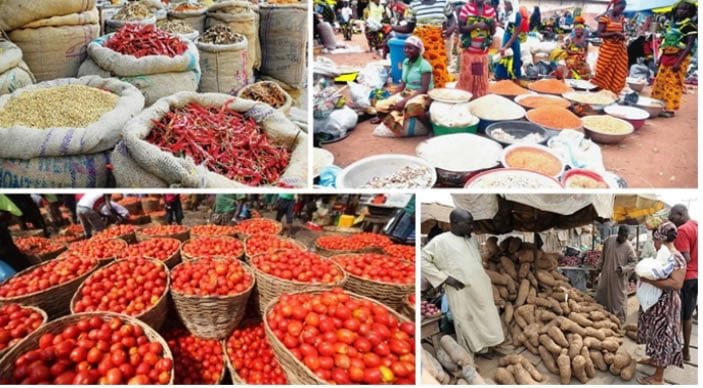
Despite spending a staggering $2.39 billion on food imports between April 2024 and March 2025, millions of Nigerian children are still going to school hungry, as food insecurity continues to worsen across the country.
Analysis of the Central Bank of Nigeria’s sectoral utilisation of foreign exchange reveals that food imports rose by $248.37 million, or 11.6 percent, from $2.14 billion in the same period of 2023–2024. The figures highlight Nigeria’s growing reliance on imported food despite ongoing efforts to boost local agricultural production. Experts attribute this trend to insecurity, low mechanisation, and limited adoption of modern farming technologies.
Nutritionists have raised alarm over the increasing rates of hunger and its devastating impact on children under five. They warn that economic hardship and soaring food prices are exacerbating malnutrition, with more children becoming stunted and anaemic. Many children under five are reportedly attending school on empty stomachs, which affects their immunity, concentration, and cognitive development, ultimately hindering academic performance.
The cost of staple foods such as garri, rice, bread, bottled water, and soft drinks has surged in recent months, deepening household poverty and hunger. Nutrition experts urge the Federal Government to take urgent action, warning that persistent hunger will result in malnutrition, stunting, and anaemia, preventing children from reaching their full potential and contributing to national development.
Prof. Ngozi Nnam, former President of the Federation of African Nutrition Societies and a professor of Community and Public Health Nutrition at the University of Nigeria, Nsukka, said the economic situation is taking a heavy toll on children. She noted that many children now go to school hungry, which affects their ability to concentrate, lowers IQ levels, and hampers cognitive development.
“Many families struggle to afford even one meal a day. Food is expensive, and children’s nutrition is suffering as a result,” Nnam said.
UNICEF reported in 2023 that 23.5 million out of 35 million Nigerian children are affected by anaemia, while 12 million children under five are stunted, and three million are wasted. Although Nigeria ratified the Convention on the Rights of the Child in 1991 and enacted the Child Rights Act, hunger and malnutrition remain widespread.
Nnam warned that persistent hunger will further exacerbate malnutrition, leading to higher rates of stunting, wasting, and anaemia among children. She urged the government to set both short- and medium-term strategies to reduce food costs and improve access to nutrition.
Prof. Wasiu Afolabi, former President of the Nutrition Society of Nigeria and Professor of Community Nutrition at the Federal University of Agriculture, Abeokuta, highlighted that Nigeria has the highest number of stunted children in Africa, a situation worsened by insecurity, rising food prices, and insufficient local food production. He stressed that malnutrition has severe long- and short-term consequences on children, including poor academic performance, impaired growth, and broader implications for national development.
Both experts called on the Federal Government to urgently address hunger, improve food availability, and implement policies to make nutritious food affordable, particularly for vulnerable families.

