

 Lifestyle & Wellness Desk
Diabetes: Experts call for increased awareness and early detection
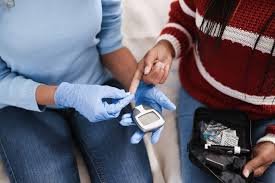
Endocrinologists have emphasized the need for greater public awareness on early detection of diabetes, warning that late diagnosis exposes individuals to serious and potentially life-threatening complications.
The appeal was made on Friday during a free diabetes screening organised by the Endocrinology, Diabetes and Metabolism Unit of the Lagos University Teaching Hospital to mark World Diabetes Day. The event began with a brief awareness walk aimed at educating the public and promoting early testing.
Speaking during the exercise, the Deputy Chairman of the Medical Planning Committee at the College of Medicine, Lagos State University, Dr Wale Bello, said the initiative was designed to help participants “know their numbers” through free checks for weight, height, blood pressure and blood sugar levels. Representing the Chief Medical Director, Prof. Wasiu Adeyemo, he described the growing prevalence of diabetes in the country as worrisome and stressed that routine screening remains key to reducing rising cases.
He noted that while government provides infrastructure, personnel and policies including mandatory blood sugar checks for patients in public hospitals health professionals and medical associations must continue to drive public enlightenment, especially among people with limited access to healthcare facilities.
Bello warned that avoiding screening out of fear only increases the risk of undetected diabetes, which may silently damage vital organs. Early diagnosis, he said, helps patients manage the condition effectively, sometimes without medication.
“The earlier we diagnose diabetes, the easier it is to control and prevent complications. Not everyone with diabetes will need drugs immediately; some only require lifestyle changes such as diet adjustments, weight loss and regular exercise,” he said. He added that diabetes can occur at any age, with children more likely to develop type 1 diabetes and adults more commonly presenting with type 2.
Also speaking, the Head of the Endocrine, Diabetes and Metabolism Unit at LUTH, Prof. Olufemi Fasanmade, expressed concern about the rising diabetes burden, noting that one in every 10 adults is affected. He urged Nigerians to include blood sugar checks during routine tests for common illnesses such as malaria and typhoid, adding that diabetes often occurs alongside hypertension and high cholesterol.
Fasanmade encouraged individuals to monitor their vital health indicators closely, as early detection reduces the likelihood of preventable complications.
“It’s important to know your numbers,” he said, explaining that global diabetes cases now exceed 600 million. He added that in Nigeria, an estimated five to 10 million people live with the condition.
“For proper monitoring,” he noted, “blood sugar should not exceed 7 mmol/L or 126 mg/dL. Blood pressure should ideally remain at or below 120/80, and cholesterol should not be above 5 mmol/L. Any readings above these require medical attention.”

