

 Lifestyle & Wellness Desk
FG moves to address recurring power grid collapses
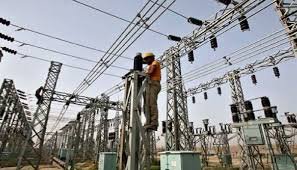
The Minister of Power, Adebayo Adelabu, has stated that the Federal Government, under President Bola Tinubu, is taking steps to curb frequent power grid collapses and improve the stability and reliability of the national grid.
Adelabu made the remarks in Uyo, Akwa Ibom State, on Friday while speaking with journalists at the maiden retreat of the Nigerian Independent System Operator (NISO) themed “NISO on the Move.”
Represented by the Permanent Secretary of the Ministry, Alhaji Muhammadu Mamman, the minister said the current administration has adopted new approaches aimed at strengthening the grid and reducing nationwide power outages.
He explained that the establishment of NISO was part of government efforts to introduce reforms within the power sector. Nigeria has long faced recurring grid failures linked to ageing infrastructure, inadequate maintenance, limited funding, and vandalism factors that have led to frequent blackouts and forced homes and businesses to rely on generators and other costly alternatives.
Adelabu said, “Since the commencement of this administration, things have been done differently. The creation of the Nigerian Independent System Operator is one of the initiatives introduced to stabilise the grid, minimise outages, and expand access to electricity. This retreat provides an opportunity for stakeholders to review practices and ensure they are adopting improved methods to strengthen the sector.”
Chairman of the NISO Board of Directors, Dr. Adesegun Akin-Olugbade, commended the agency’s staff for their commitment, noting that their efforts contributed to the successful synchronisation of the Nigerian grid with the West African Power Pool (WAPP).
He highlighted the role of NISO personnel in maintaining grid stability, promoting fair market operations, and representing Nigeria in regional partnerships. According to him, the synchronisation achieved through enhanced coordination and professional system operations allowed Nigeria, Niger, and parts of Benin and Togo to operate on a unified frequency with the rest of West Africa for four uninterrupted hours.
The Managing Director of NISO, Abdul Mohammed, said the organisation was established to support government reforms by encouraging private-sector investment and ensuring better utilisation of existing infrastructure.
Addressing concerns about the sector’s performance despite significant financial commitments, he said the power industry is highly capital-intensive and that historical investments have not been sufficient to achieve the level of reliability expected by consumers.

