

 James Obasi
Private fuel depots raise petrol price to ₦800 per litre in Lagos
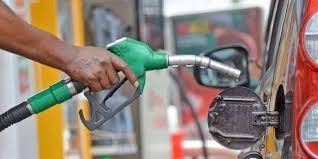
Private petroleum depots across Lagos and other major fuel trading centres have increased the ex-depot price of Premium Motor Spirit (petrol) to as high as ₦800 per litre, intensifying pressure on fuel marketers and raising concerns over a possible rise in pump prices nationwide.
Recent market data indicate that average depot prices climbed sharply within 48 hours. In Lagos, some depots recorded modest increases, while others implemented steeper adjustments. Prices at certain facilities rose from the low ₦700 range earlier in the week to as much as ₦800 per litre by Friday. Other depots sold petrol between ₦780 and ₦800 per litre, reflecting a rapid upward movement.
The impact has been more pronounced in Warri, a key petroleum logistics hub, where depot prices increased to about ₦805 per litre within days. Market participants attributed the faster reaction in the area to tighter supply lines and higher transportation costs as marketers reposition supplies in anticipation of possible scarcity.
Industry operators linked the price surge to the temporary shutdown of a major domestic petrol production unit, which had previously helped stabilise prices following the removal of fuel subsidies. Importers were reportedly affected by sharp price reductions late last year, forcing many to sell below cost, and are now adjusting prices to recover losses.
Market analysts also noted that some depot operators are holding back volumes, anticipating tighter supply conditions that could support higher prices. However, they cautioned that this strategy may be short-lived if domestic supply improves and competition intensifies.
Additional pressure on fuel pricing has come from foreign exchange volatility, rising replacement costs, and uncertainty around import schedules. Crude oil prices and the weakening local currency have further compounded these challenges.
Depot price movements typically precede changes at filling stations, and sustained increases could push retail petrol prices above ₦700 per litre in several cities. Marketers say higher logistics costs, financing constraints, and exchange rate instability have squeezed margins, making it difficult to absorb depot price hikes without adjusting pump prices.
Since the deregulation of the downstream petroleum sector, petrol prices have been driven largely by market forces, including crude oil prices, exchange rates, logistics, and supply availability. While increased local refining capacity had raised expectations of price stability, recent developments have highlighted ongoing vulnerabilities in the supply chain.

