

 Ifunanya Okafor
US Formally Withdraws from the World Health Organization
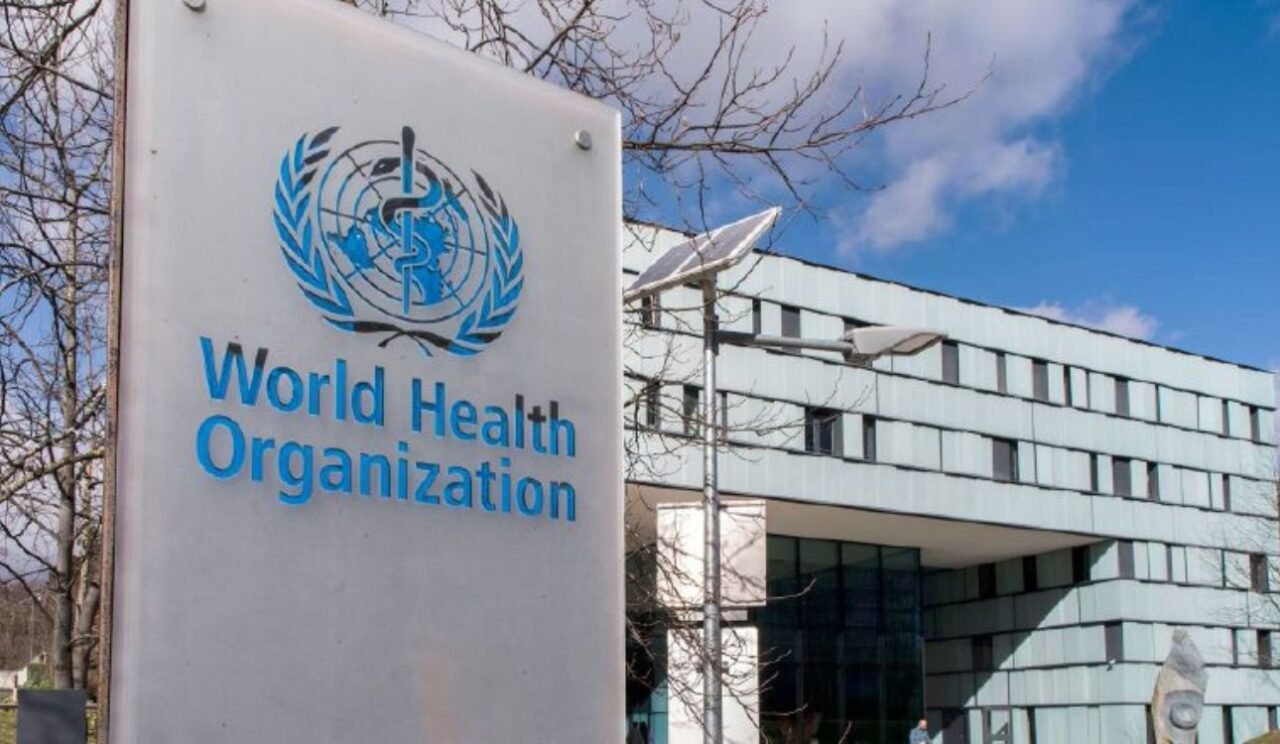
The United States has formally withdrawn from the World Health Organization (WHO), removing one of the UN agency’s largest financial supporters.
President Donald Trump initiated the withdrawal by signing an executive order a year ago, accusing the organisation of being overly aligned with China during the Covid-19 pandemic.
According to the US Department of Health and Human Services, the decision was based on what it described as the WHO’s poor handling of the pandemic, failure to implement reforms, and susceptibility to political pressure from member states.
The WHO has strongly denied these allegations. Its Director-General, Tedros Adhanom Ghebreyesus, described the US exit as a setback not only for the organisation but also for global public health. The agency highlighted its role in tackling polio, HIV/AIDS, maternal deaths, and enforcing international tobacco control agreements.
Following the pandemic, WHO members worked on a global pandemic treaty aimed at improving preparedness and response to future outbreaks, including fairer access to vaccines and treatments. The agreement was finalised in April last year by all member states except the United States.
Historically, the US has been among the WHO’s biggest contributors. However, it failed to pay its membership dues for 2024 and 2025, triggering widespread job losses within the organisation. While WHO legal advisers argue that the US is still required to settle outstanding payments estimated at about $260m (£193m), Washington has rejected this obligation.
US officials confirmed that all government funding for the WHO has been halted, American staff and contractors have been withdrawn from the agency’s headquarters in Geneva and other offices worldwide, and hundreds of collaborative engagements have been suspended or terminated.
In a joint statement, US Health Secretary Robert F. Kennedy and Secretary of State Marco Rubio accused the WHO of undermining US contributions and acting against American interests. They claimed the organisation had strayed from its core mission and cited issues including the handling of US symbols at its headquarters.
They added that future US involvement with the WHO would be limited solely to completing the withdrawal process and protecting the health of Americans.
The health department said the US plans to maintain disease surveillance and information-sharing through direct partnerships with other countries, though it did not specify which nations were involved. Officials also said the US would work with non-governmental and faith-based organisations to continue efforts against diseases such as polio and HIV, but provided no details on existing partnerships.
When asked about continued participation in global influenza vaccine development and data sharing, officials said no clear decision had been made.
After Trump signed the withdrawal order at the start of his second term, the WHO expressed hope that the US would reconsider, noting that cooperation between the two had saved countless lives and protected populations worldwide. The agency said a reversal would benefit millions of people globally.
Pandemic responses in several advanced health systems, including the US and the UK, have since been criticised as delayed and ineffective. Many governments were slow to impose lockdowns, fearing public resistance, a delay that research suggests contributed significantly to the virus’s rapid spread.
The US recorded one of the highest Covid-19 death rates, partly due to inconsistent implementation of public health guidance on mask-wearing and social distancing, according to former public health official Drew Altman. In a 2020 medical journal article, Altman criticised the lack of coordinated national leadership, arguing that the response became politicised, with differing approaches across states.
He concluded that shortcomings in policy and leadership were central to the country’s pandemic failures. A separate research paper published in the UN’s National Library of Medicine similarly described the federal response under the Trump administration as slow and poorly managed.

