

 Edupreneur Insights Desk
The Silent Classroom: Confronting Digital Loneliness in Canadian Schools
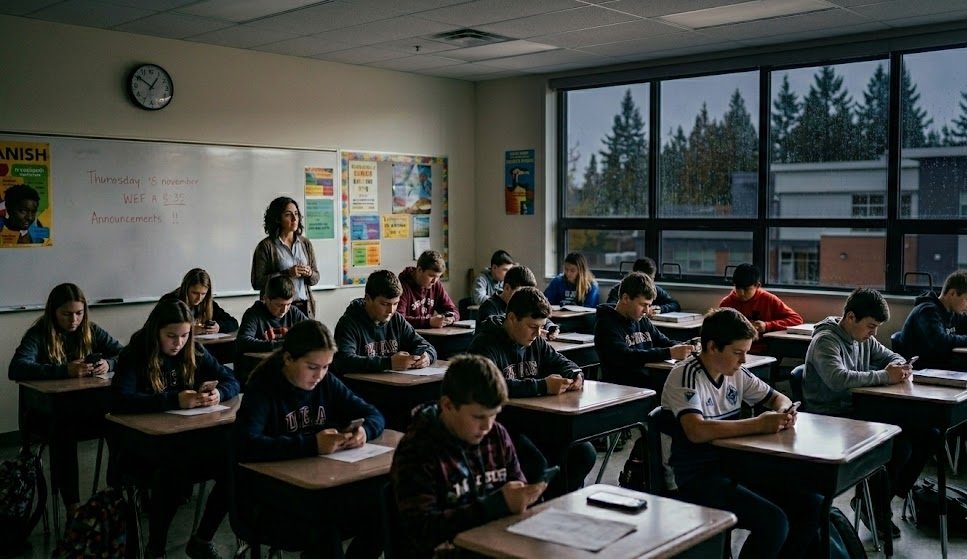
For fifteen years, the morning soundscape of a North American high school was defined by a chaotic, high-decibel social ritual. Today, that noise has been replaced by what educators call a “strange sort of silence.” Even in a room full of students, heads are down, tethered to smartphone screens. This isn’t just a shift in behavior; it is a profound transformation of the Canadian educational environment from a community hub into a collection of isolated digital silos.
In districts from North Vancouver to Halifax, teachers are observing that loneliness is rarely loud; it is a quiet, persistent barrier to learning. New longitudinal data from Harvard’s Making Caring Common project confirms that this “silent loneliness” was widespread even before the pandemic and has since become the primary obstacle to student health and happiness—outranking even income or physical exercise as a predictor of long-term well-being.
Why This Matters
School Leaders and Educators
In the Canadian context, where provincial curricula increasingly emphasize “Social-Emotional Learning” (SEL), loneliness is a “silent tax” on academic performance. When students sit in digital isolation, their capacity for cognitive load decreases. For administrators, the implication is clear: community is no longer a “soft skill” or an extracurricular add-on. It is “medicine.” Strategic investment must move toward relational pedagogy—the intentional engineering of social interactions to break the digital trance.
Households and Individuals
The transition to secondary school is a period of high social risk. Canadian parents often assume that if a child is “connected” via social media, they are socially satisfied. The reality is that many students, including those who appear gregarious, “don’t know where to start” when it comes to face-to-face connection. Households must recognize that the “silence” reported in schools is a signal that students need modeled, low-stakes opportunities to practice human interaction in the physical world.
Entrepreneurs and Business Leaders
The “loneliness economy” poses a direct threat to the future Canadian workforce. Collaboration, empathy, and the ability to navigate diverse perspectives are the “human-centric” skills that AI cannot replicate. If the “classroom-as-community” fails, the pipeline of emotionally intelligent, collaborative professionals thins. There is a significant opportunity for Canadian EdTech innovators to move away from “solo-user” platforms toward tools that facilitate “stewardship” and collective contribution.
Implications and Emerging Signals
The move from “classrooms to communities” signals a shift in how we value the school day in Canada:
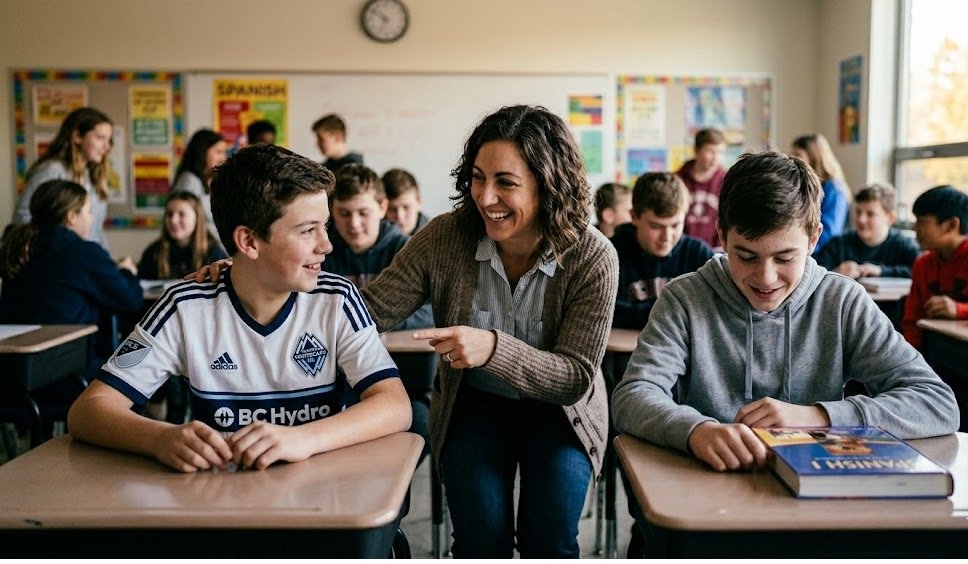
- The Rise of the “Classroom Host”: Educators are moving away from being “sages on the stage” to becoming “social architects.” This involves active facilitation—connecting students based on shared interests rather than leaving social bonds to chance.
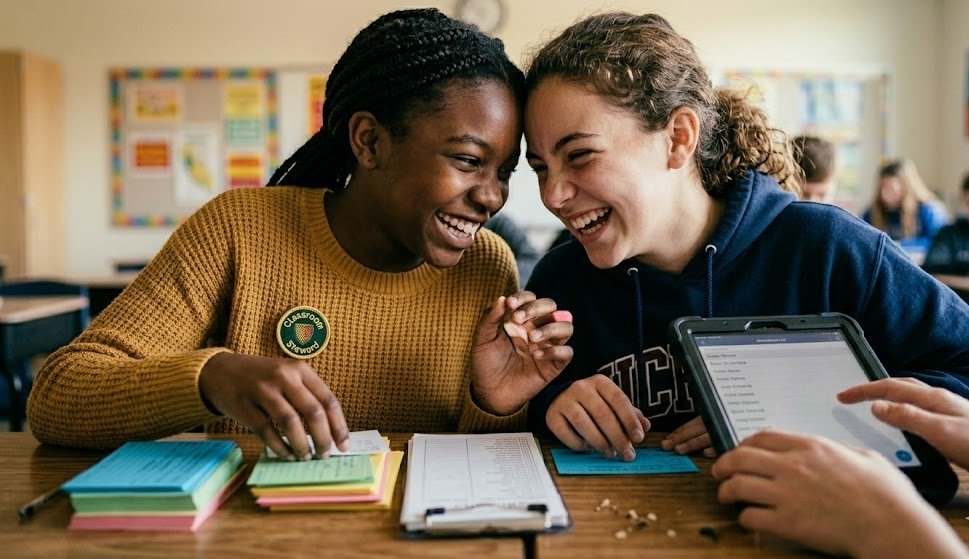
- Service-Based Belonging: Canadian schools are finding success in assigning daily roles that create “stewardship.” When a student is responsible for a task—even something as simple as taking attendance or managing equipment—they transition from a passive consumer to a needed contributor.
- Strategic Physical Re-shuffling: Frequent seating changes (every two months) are becoming a necessity to disrupt fixed social cliques and lower the “social risk” of meeting new peers.
Key Takeaways
- Interrupt the “Digital Trance”: Use intentional rituals (like a “word of the day” or visual check-ins) to break the smartphone silence the moment class begins. Don’t wait for students to look up; give them a social reason to do so.
- Facilitate “Low-Stakes” Vulnerability: Use play-based learning and non-evaluative projects (like community art or shared cooking) to let students show their unique “quirks” without the pressure of academic judgment.
- Model Social Connectivity: Actively play the role of a “connector.” If two students share a hobby or a favorite local haunt, name it publicly to give them a built-in conversation starter.
- Prioritize Contribution over Attendance: Assign tangible roles to every student. Feeling “needed” is the most direct antidote to feeling “lonely.”
- Normalize Change: Predictable, frequent seating rotations lower the stakes of sitting next to someone new, preventing the “awkwardness” that often keeps students isolated.
This reflects a broader shift toward treating the Canadian classroom as a social sanctuary. In an era of digital immersion, the most radical thing a school can do is teach a student how to be seen by—and how to truly see—the person sitting next to them.
For fifteen years, the morning soundscape of a North American high school was defined by a chaotic, high-decibel social ritual. Today, that noise has been replaced by what educators call a “strange sort of silence.” Even in a room full of students, heads are down, tethered to smartphone screens. This isn’t just a shift in behavior; it is a profound transformation of the Canadian educational environment from a community hub into a collection of isolated digital silos.
In districts from North Vancouver to Halifax, teachers are observing that loneliness is rarely loud; it is a quiet, persistent barrier to learning. New longitudinal data from Harvard’s Making Caring Common project confirms that this “silent loneliness” was widespread even before the pandemic and has since become the primary obstacle to student health and happiness—outranking even income or physical exercise as a predictor of long-term well-being.
Why This Matters
School Leaders and Educators
In the Canadian context, where provincial curricula increasingly emphasize “Social-Emotional Learning” (SEL), loneliness is a “silent tax” on academic performance. When students sit in digital isolation, their capacity for cognitive load decreases. For administrators, the implication is clear: community is no longer a “soft skill” or an extracurricular add-on. It is “medicine.” Strategic investment must move toward relational pedagogy—the intentional engineering of social interactions to break the digital trance.
Households and Individuals
The transition to secondary school is a period of high social risk. Canadian parents often assume that if a child is “connected” via social media, they are socially satisfied. The reality is that many students, including those who appear gregarious, “don’t know where to start” when it comes to face-to-face connection. Households must recognize that the “silence” reported in schools is a signal that students need modeled, low-stakes opportunities to practice human interaction in the physical world.
Entrepreneurs and Business Leaders
The “loneliness economy” poses a direct threat to the future Canadian workforce. Collaboration, empathy, and the ability to navigate diverse perspectives are the “human-centric” skills that AI cannot replicate. If the “classroom-as-community” fails, the pipeline of emotionally intelligent, collaborative professionals thins. There is a significant opportunity for Canadian EdTech innovators to move away from “solo-user” platforms toward tools that facilitate “stewardship” and collective contribution.
Implications and Emerging Signals
The move from “classrooms to communities” signals a shift in how we value the school day in Canada:
- The Rise of the “Classroom Host”: Educators are moving away from being “sages on the stage” to becoming “social architects.” This involves active facilitation—connecting students based on shared interests rather than leaving social bonds to chance.
- Service-Based Belonging: Canadian schools are finding success in assigning daily roles that create “stewardship.” When a student is responsible for a task—even something as simple as taking attendance or managing equipment—they transition from a passive consumer to a needed contributor.
- Strategic Physical Re-shuffling: Frequent seating changes (every two months) are becoming a necessity to disrupt fixed social cliques and lower the “social risk” of meeting new peers.
Key Takeaways
- Interrupt the “Digital Trance”: Use intentional rituals (like a “word of the day” or visual check-ins) to break the smartphone silence the moment class begins. Don’t wait for students to look up; give them a social reason to do so.
- Facilitate “Low-Stakes” Vulnerability: Use play-based learning and non-evaluative projects (like community art or shared cooking) to let students show their unique “quirks” without the pressure of academic judgment.
- Model Social Connectivity: Actively play the role of a “connector.” If two students share a hobby or a favorite local haunt, name it publicly to give them a built-in conversation starter.
- Prioritize Contribution over Attendance: Assign tangible roles to every student. Feeling “needed” is the most direct antidote to feeling “lonely.”
- Normalize Change: Predictable, frequent seating rotations lower the stakes of sitting next to someone new, preventing the “awkwardness” that often keeps students isolated.
This reflects a broader shift toward treating the Canadian classroom as a social sanctuary. In an era of digital immersion, the most radical thing a school can do is teach a student how to be seen by—and how to truly see—the person sitting next to them.

