

 admin
adminDangote Petroleum Refinery Slashes PMS Price to Offer Relief Amidst Nigeria’s Fuel Struggles
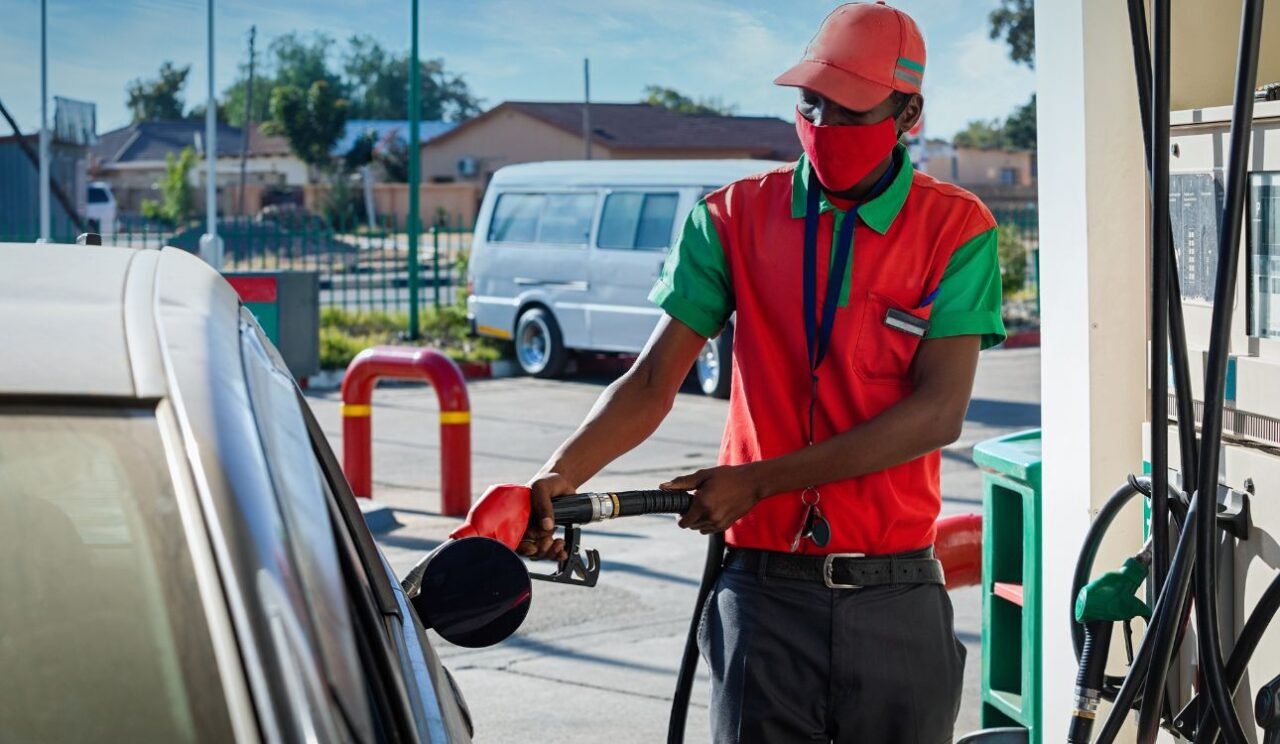
Dangote Petroleum Refinery has announced a much-needed price cut for Premium Motor Spirit (PMS), commonly known as petrol, reducing the ex-depot price to below ₦900 per litre. This price reduction comes as a relief to millions of Nigerians who have been struggling with soaring fuel costs, especially as the holiday season approaches.
In a statement released today, Anthony Chiejina, the Group Chief Branding and Communications Officer for the Dangote Group, confirmed the price drop, stating, “Dangote Petroleum Refinery has reduced the price of its Premium Motor Spirit (PMS) to below ₦900 per litre to provide much-needed relief for Nigerians ahead of the holiday season.”
But that’s not all. To further ease the financial burden on consumers, the refinery has introduced a special offer. For every litre of petrol bought with cash, customers will be allowed to purchase an additional litre on credit, with the deal supported by bank guarantees from Access Bank, First Bank, or Zenith Bank.
This price cut and credit offer come at a critical time. Nigeria has faced constant fuel price hikes in recent months, with the price of petrol jumping from ₦900 to over ₦1,000 per litre in some areas. The rising costs have made everyday life harder for many Nigerians, especially with transportation becoming more expensive and inflation hitting record highs.
The high cost of petrol is one of the main drivers of Nigeria’s inflation rate, which has surged to over 34% in recent months, further squeezing household budgets. Despite efforts by the government to promote alternative fuels like compressed natural gas (CNG) through the Presidential CNG Initiative, which aims to convert thousands of vehicles, many Nigerians still feel the pinch of fluctuating fuel prices.
While Dangote’s price reduction provides temporary relief, the country’s long-term solution to fuel struggles lies in comprehensive energy reforms and sustainable alternatives to ease the pressure on consumers.

