

 Ifunanya Okafor
FG Restructures Education System: JSS and SSS to Be Scrapped, 12-Year Basic Education Introduced
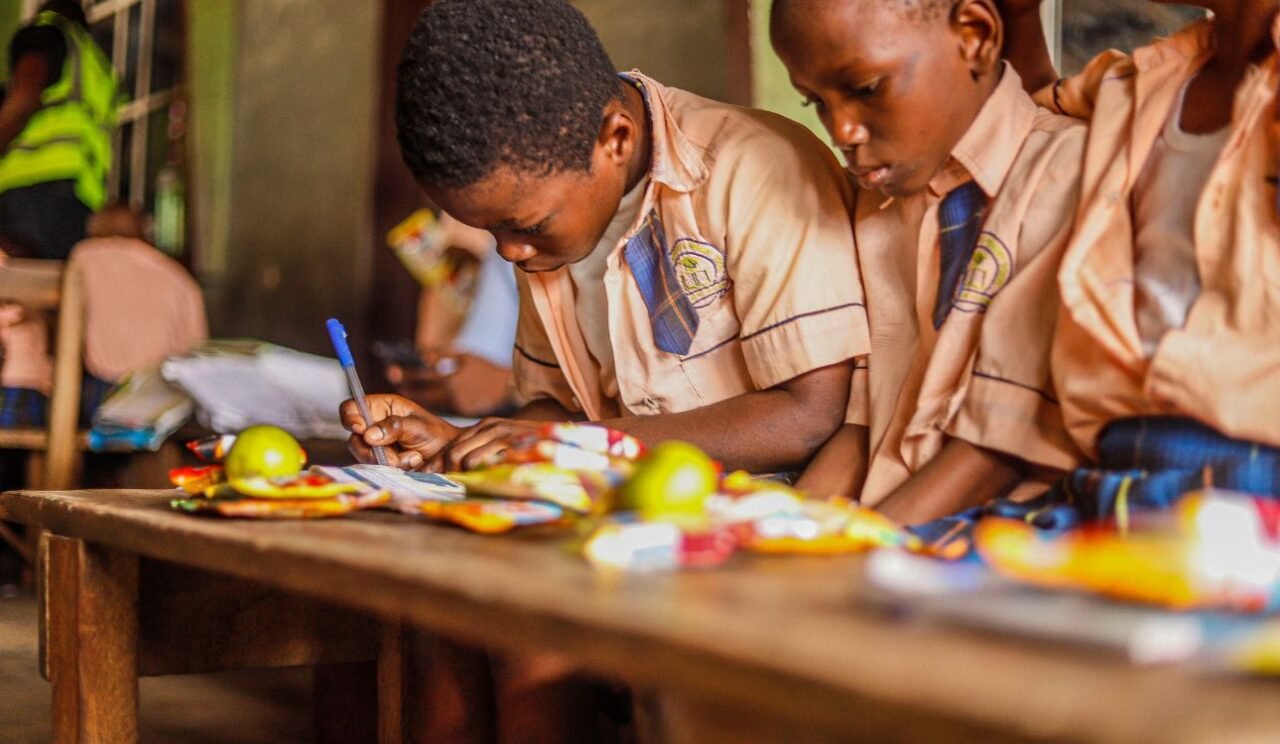
The Federal Government of Nigeria has announced a major overhaul of the country’s education system, replacing the current 6-3-3-4 structure with a 12-4 model. Under this new policy, the distinctions between Junior Secondary School (JSS) and Senior Secondary School (SSS) will be removed, creating a single, uninterrupted 12-year basic education system.
Why the Change?
The Minister of Education, Dr. Tunji Alausa, stated that this reform aligns with global best practices and aims to ensure that every Nigerian child receives a solid educational foundation. The new model is designed to:
- Reduce dropout rates by eliminating financial and structural barriers between JSS and SSS.
- Provide a seamless learning experience by keeping students in one structured system for 12 years.
- Enhance vocational and entrepreneurial skills to better prepare students for higher education and the job market.
Key Features of the New System
- 12 Years of Compulsory Basic Education: Instead of separate junior and senior secondary levels, students will have continuous learning from primary to secondary school.
- More Career-Oriented Learning: The curriculum will include vocational and technical skills to help students explore career paths early.
- Minimum Age for University Admission: The government is also setting 16 years as the minimum age for entry into tertiary institutions.
Implementation Strategy
To ensure the smooth adoption of this new policy, the government plans to:
- Upgrade school infrastructure to accommodate the extended learning period.
- Train and recruit more teachers to meet the demands of the new system.
- Improve funding and partnerships to support education at all levels.
- Enhance the curriculum to align with 21st-century skills and global standards.
Impact on Nigeria’s Education System
This reform is expected to produce a more skilled and knowledgeable youth population, reducing unemployment and strengthening the country’s workforce. By extending basic education, the government hopes to equip students with relevant skills, ultimately boosting Nigeria’s economic growth and global competitiveness.
What’s Next?
The Ministry of Education will work closely with stakeholders, including schools, parents, and education experts, to ensure a smooth transition to the new system. More details on the timeline and implementation steps are expected to be released soon.
Stay tuned to Edupreneur for more updates on this landmark education reform in Nigeria!

