
Tag: #EducationNews

Zara Lianne20 May 2025
meal-1280x744.jpg

3min29440
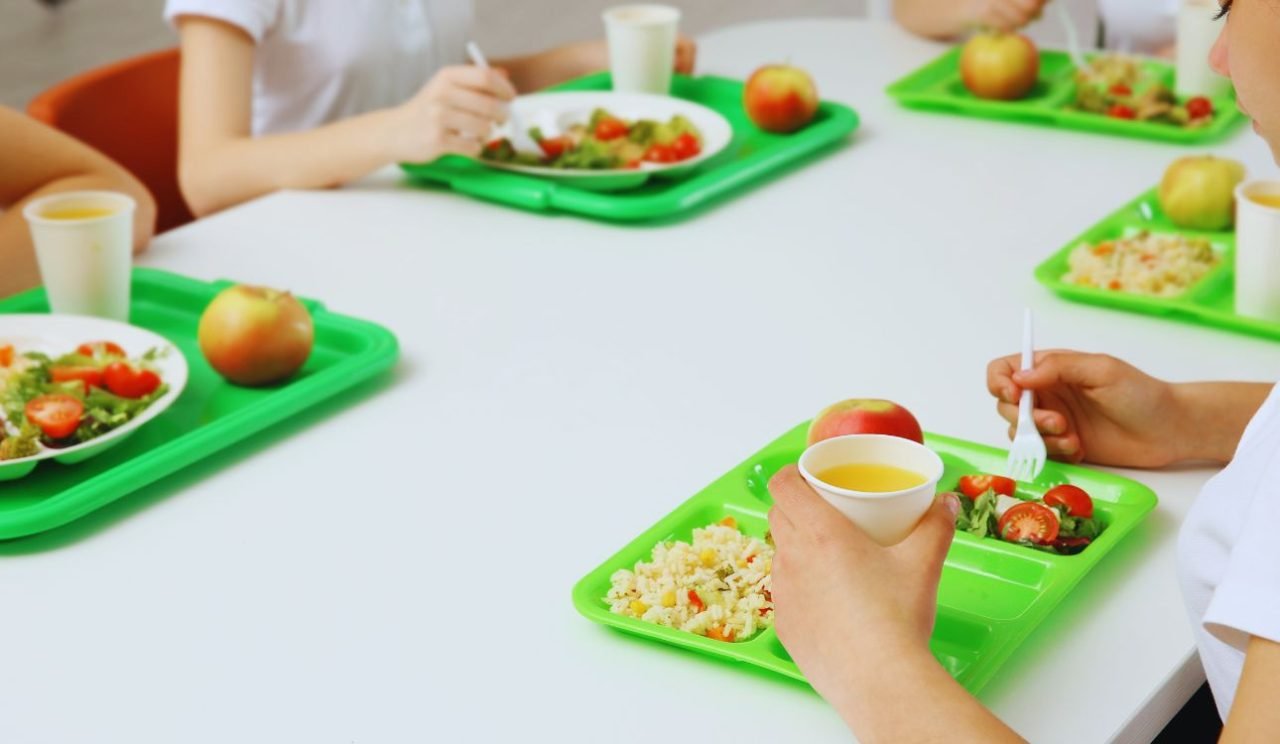
In a bold move to promote healthy lifestyles among young learners, the Welsh Government has announced new school meal guidelines for primary schools, set to roll out in the 2026–27 academic year. Under the proposed standards, children in Wales will see more fruits and vegetables on their lunch trays, while fried foods and sugary items will be served less frequently. The goal is to encourage better eating habits and tackle the growing issue of childhood obesity. What’s Changing on the Menu: More Fruits and Vegetables: Schools will be required to serve a wider variety of fruits and vegetables every day, aligning with health campaigns that recommend five portions daily. Cutting Back on Fried and Processed Foods: Popular but less healthy options like fried chips, pizza, and macaroni cheese will be limited to once or twice a week. Healthier Carbs: White bread and other refined carbohydrates will be replaced with more nutritious wholegrain options. Controlled Portions: Age-appropriate portion sizes will be introduced for both infants and juniors to help manage calorie intake. Less Sugar and Salt: Meals high in sugar, saturated fats, or salt will be scaled back as part of a broader effort to improve children’s health. These changes are part of Wales’ wider strategy, Healthy Weight: Healthy Wales, which aims to make long-term improvements in children’s wellbeing through better nutrition and lifestyle habits. Local Produce, National Impact The initiative also supports local agriculture through pilot projects like “Welsh Veg in Schools,” which brings organically grown Welsh vegetables into school kitchens. Campaigns such as “Eat Them to Defeat Them” are also being used to make healthy eating fun and appealing for children. Have Your Say The government has opened a public consultation to gather feedback on the new school meal standards. Parents, educators, and health advocates are encouraged to participate and help shape the future of school meals in Wales.

Ifunanya Okafor7 February 2025
1-1280x744.jpg

4min6350
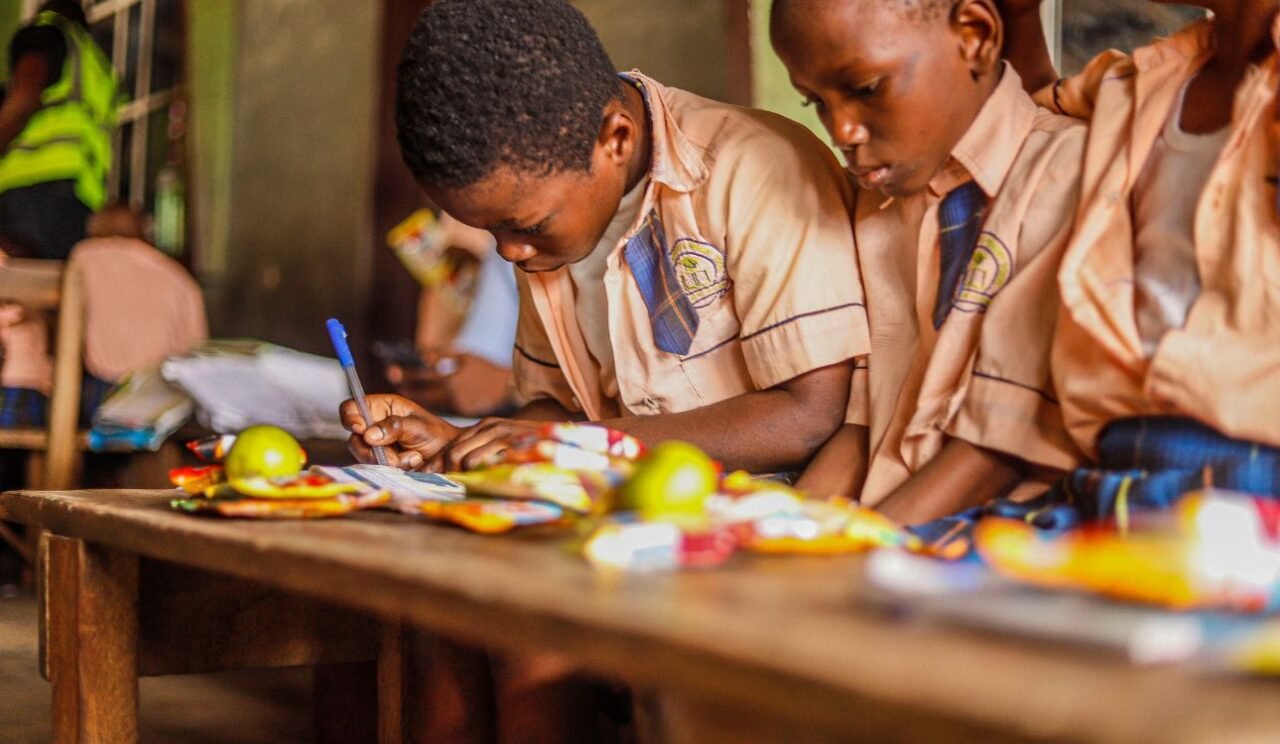
The Federal Government of Nigeria has announced a major overhaul of the country’s education system, replacing the current 6-3-3-4 structure with a 12-4 model. Under this new policy, the distinctions between Junior Secondary School (JSS) and Senior Secondary School (SSS) will be removed, creating a single, uninterrupted 12-year basic education system. Why the Change? The Minister of Education, Dr. Tunji Alausa, stated that this reform aligns with global best practices and aims to ensure that every Nigerian child receives a solid educational foundation. The new model is designed to: Reduce dropout rates by eliminating financial and structural barriers between JSS and SSS. Provide a seamless learning experience by keeping students in one structured system for 12 years. Enhance vocational and entrepreneurial skills to better prepare students for higher education and the job market. Key Features of the New System 12 Years of Compulsory Basic Education: Instead of separate junior and senior secondary levels, students will have continuous learning from primary to secondary school. More Career-Oriented Learning: The curriculum will include vocational and technical skills to help students explore career paths early. Minimum Age for University Admission: The government is also setting 16 years as the minimum age for entry into tertiary institutions. Implementation Strategy To ensure the smooth adoption of this new policy, the government plans to: Upgrade school infrastructure to accommodate the extended learning period. Train and recruit more teachers to meet the demands of the new system. Improve funding and partnerships to support education at all levels. Enhance the curriculum to align with 21st-century skills and global standards. Impact on Nigeria’s Education System This reform is expected to produce a more skilled and knowledgeable youth population, reducing unemployment and strengthening the country’s workforce. By extending basic education, the government hopes to equip students with relevant skills, ultimately boosting Nigeria’s economic growth and global competitiveness. What’s Next? The Ministry of Education will work closely with stakeholders, including schools, parents, and education experts, to ensure a smooth transition to the new system. More details on the timeline and implementation steps are expected to be released soon. Stay tuned to Edupreneur for more updates on this landmark education reform in Nigeria!

Ifunanya Okafor16 January 2025
1-6-1280x744.jpg

1min14550
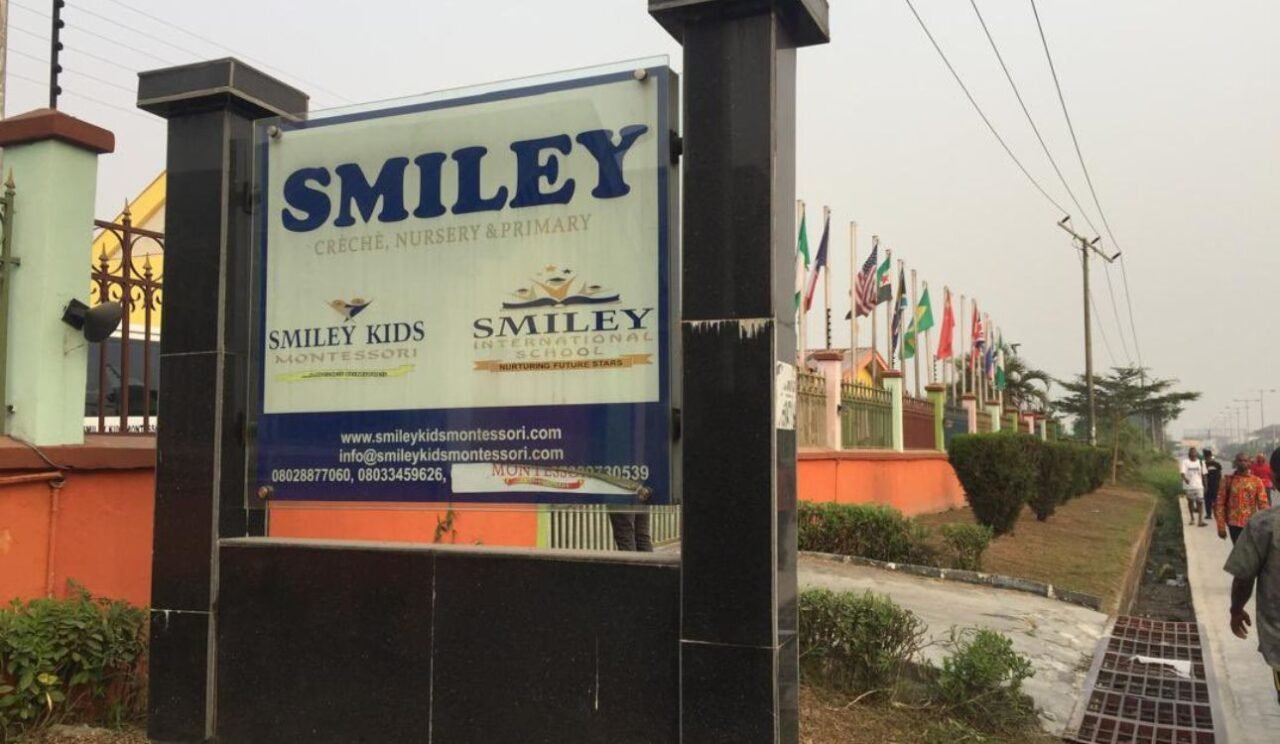
A heartbreaking incident has emerged from Smiley School International, Sangotedo, Lagos Island, involving the tragic death of a two-year-old student. The incident, which occurred on January 15th, was brought to public attention by the child’s mother, identified as Ella, on the social media platform X. In her post, Ella accused the school of deceit, claiming they initially reported that her daughter drowned in the school’s pool. However, upon closer examination, Ella alleges that her child may have been electrocuted rather than drowned. This shocking revelation has prompted widespread outrage, with calls for transparency and accountability from the school. In response, the Lagos State Domestic and Sexual Violence Agency (DSVA) has pledged to thoroughly investigate the matter to uncover the truth and provide the grieving family with much-needed answers. The community and concerned citizens are eagerly awaiting the findings of the investigation, as the safety and welfare of children in schools remain a paramount concern.