

 Ifunanya Okafor
Netherlands Returns Over 100 Benin Bronzes to Nigeria After More Than a Century
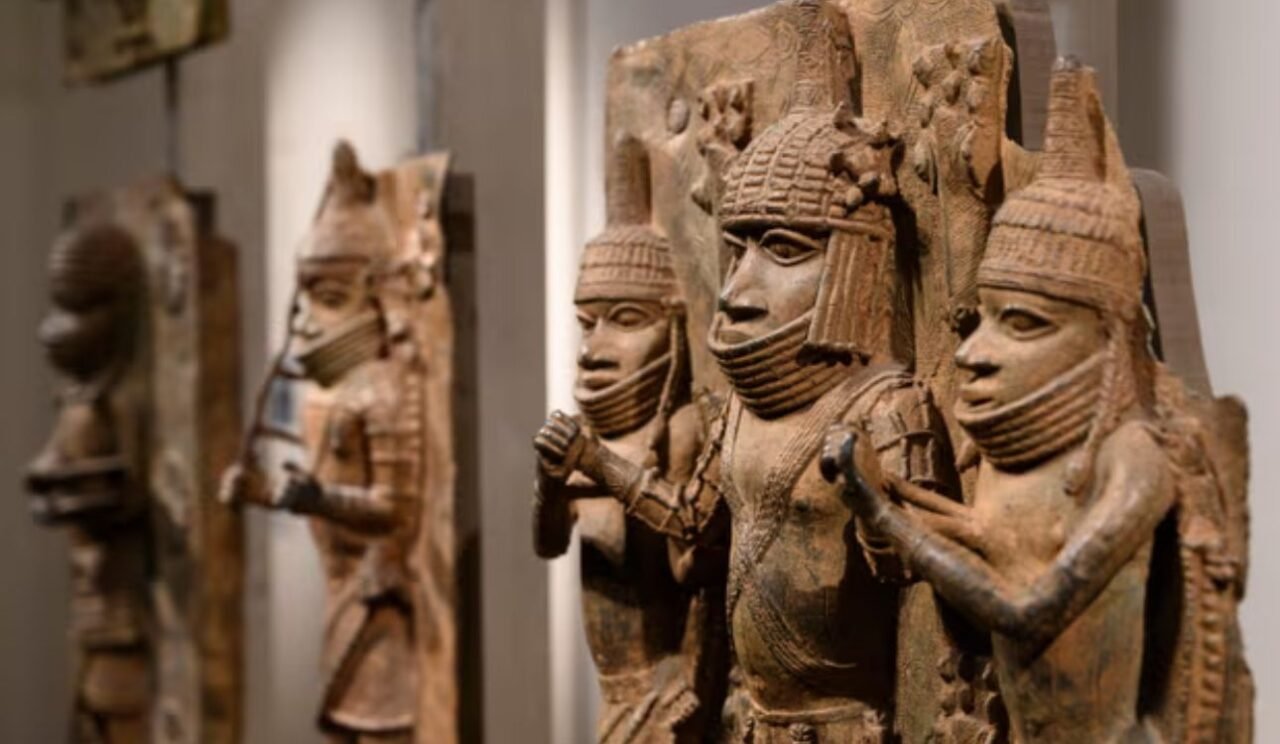
In a historic move to address colonial-era injustices, the Netherlands has officially announced the return of more than 100 Benin Bronzes to Nigeria. These priceless artifacts, which were looted by British forces during the 1897 invasion of the Kingdom of Benin, have been held in Dutch museum collections for decades.
The restitution, which follows growing global calls for the return of African cultural heritage, will see 113 artifacts repatriated to Nigeria. The decision was made after consultations between Dutch authorities, Nigerian officials, and heritage experts.
The official handover ceremony took place in Leiden, where representatives from the Dutch government and Nigeria’s National Commission for Museums and Monuments (NCMM) gathered to mark the significant event. Eppo Bruins, the Dutch Minister of Education, Culture, and Science, emphasized the importance of returning the artifacts, stating, “Cultural heritage should be in the places where it holds the most meaning. These pieces belong to Nigeria, and returning them is a step towards acknowledging historical wrongs.”
Among the items being repatriated are intricately crafted plaques, sculptures, and royal regalia that once adorned the palaces of Benin’s kings. These artifacts were taken during the British-led raid in 1897, when troops looted thousands of artworks before selling them to European collectors and institutions. Over time, the Benin Bronzes made their way into museums and private collections around the world, including in the Netherlands.
Olugbile Holloway, Director-General of Nigeria’s NCMM, praised the Dutch government’s decision, calling it a landmark moment in the global fight for the restitution of looted heritage. “This return is the largest single repatriation of Benin artifacts directly linked to the 1897 punitive expedition. We appreciate the Netherlands for their commitment to justice and cultural restoration,” he said.
The move follows recommendations from the Colonial Collections Committee, an advisory body set up by the Dutch government to review claims for the return of colonial-era artifacts. The committee has urged European museums to engage in ethical restitution, recognizing that many objects in their collections were acquired under exploitative circumstances.
In addition to the national government’s decision, the municipality of Rotterdam is also returning six Benin Bronzes, including relief plaques, a ceremonial staff, and an intricately designed bell. These efforts contribute to a wider push across Europe to return looted artifacts to their countries of origin.
Nigeria has been actively negotiating with museums and institutions worldwide to secure the return of its stolen cultural heritage. With these artifacts coming home, the Nigerian government will determine how best to preserve and display them for public access and education. Many are expected to be housed in the planned Edo Museum of West African Art in Benin City, a project designed to celebrate and protect the region’s artistic legacy.
This latest repatriation highlights a growing shift in attitudes toward colonial-era looted artifacts, reinforcing the importance of historical accountability and cultural restitution. As more institutions reconsider the origins of their collections, Nigeria’s success in reclaiming its heritage could pave the way for further restitutions across the continent.

