

 Edupreneur Editorial Team
WHO to Dispatch Leprosy Medications to Nigeria, Ending Year-Long Delay
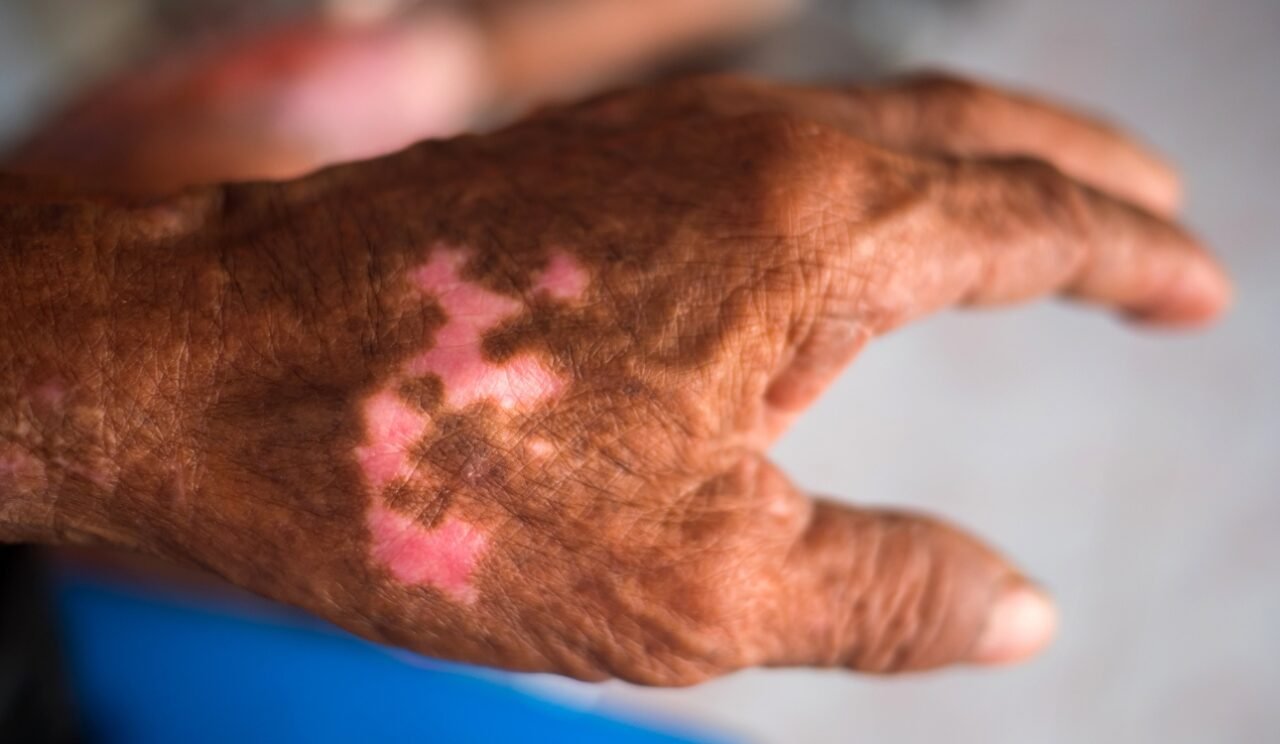
The World Health Organization (WHO) has announced that it will send much-needed leprosy drugs to Nigeria this weekend. This intervention comes after resolving a series of testing delays that resulted in a year-long shortage, leaving thousands of patients including children without access to the medication essential for preventing debilitating complications.
Background on the Crisis
Leprosy, a chronic infectious disease that primarily affects the skin, nerves, and eyes, can lead to severe and irreversible disabilities if not treated promptly. In Nigeria, where over 1,000 new cases are reported annually, access to multi-drug therapy (MDT) is critical for managing the disease. However, stringent testing procedures and bureaucratic hold-ups led to a significant delay in the supply of MDT. For nearly a year, many patients were unable to receive the treatment necessary to halt the progression of the disease and prevent long-term disabilities.
WHO’s Swift Intervention
In response to the mounting public health concerns, the WHO intervened by streamlining its testing processes. This decisive action has cleared the pathway for the expedited shipment of leprosy drugs. The consignment, sourced from India, is expected to arrive in Nigeria by this weekend, allowing health authorities to resume treatment programs immediately.
Impact on Public Health
The shortage of MDT had severe consequences. Without timely treatment, patients were at heightened risk of developing permanent disabilities, such as blindness and limb deformities, which can dramatically affect their quality of life. The prolonged delay not only endangered individual patients but also increased the risk of ongoing transmission within communities.
Looking Ahead
With the arrival of the new drug shipment, Nigerian health officials are optimistic about restarting and scaling up treatment programs for leprosy. The collaboration between the WHO and Nigerian authorities underscores the importance of swift and efficient responses in managing public health crises. Moving forward, both parties are focused on strengthening the supply chain to prevent future disruptions, ensuring that vulnerable populations have uninterrupted access to life-saving medications.
This development marks a critical step in addressing the leprosy crisis in Nigeria, reinforcing the global commitment to fighting infectious diseases and protecting public health.

