

 Edupreneur Editorial Team
Bird Flu Disrupts Global Food Supply as U.S. Expands Egg Imports, UK Reports First Sheep Infection
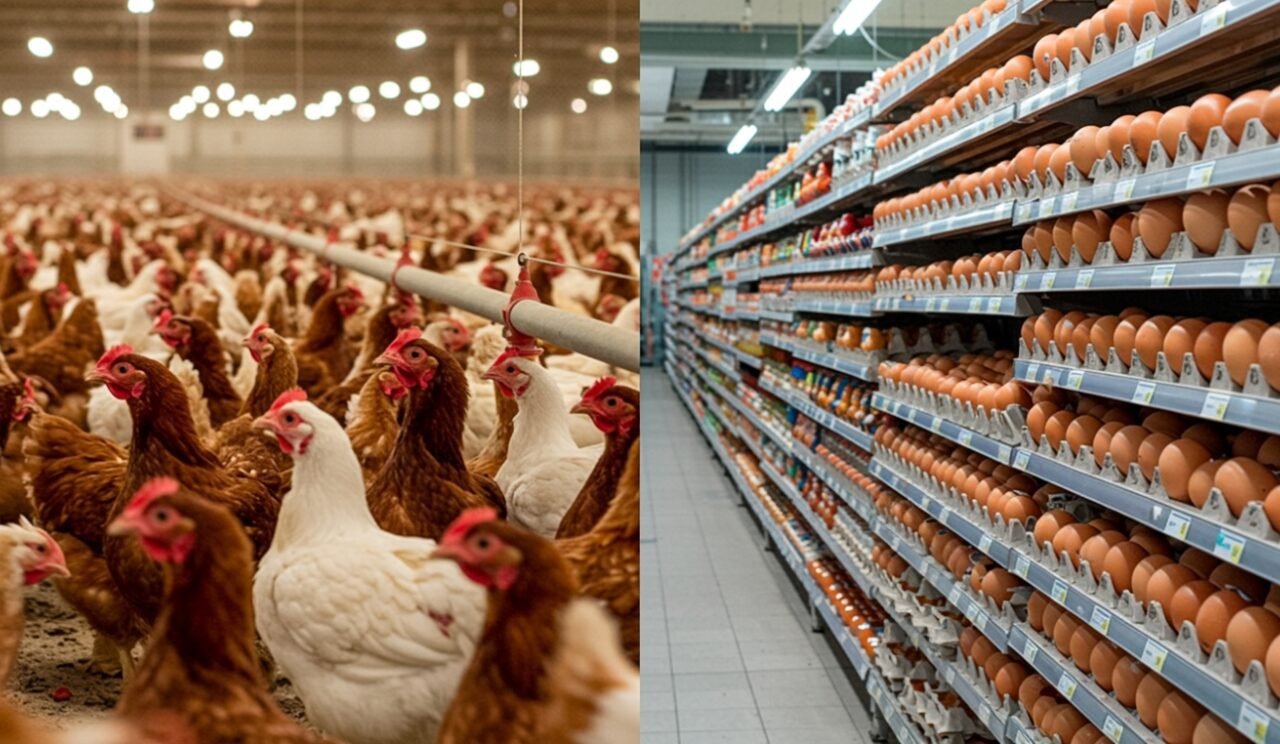
The ongoing bird flu outbreak is reshaping global food supply chains, prompting the United States to nearly double its imports of Brazilian eggs and reconsider regulations on eggs from broiler chickens. Meanwhile, the United Kingdom has reported the world’s first confirmed case of bird flu in a sheep, adding to concerns about the virus spreading among mammals.
In the U.S., egg prices have surged due to widespread avian influenza outbreaks, leading authorities to import eggs previously used for pet food and explore alternative sources for processed foods. The move aims to stabilize supply while ensuring fresh eggs remain available for consumers.
Across the Atlantic, Britain’s first-ever detection of H5N1 in a sheep has raised new fears about cross-species transmission. While officials emphasize that the risk to humans remains low, the expanding list of infected mammals has intensified discussions about the potential for a broader pandemic.
Governments worldwide continue to monitor the situation, balancing food security with health precautions as bird flu’s impact on agriculture and public health grows.

