

 Edupreneur Editorial Team
Nigeria’s House of Reps. Advances Bill for Prime Minister Office
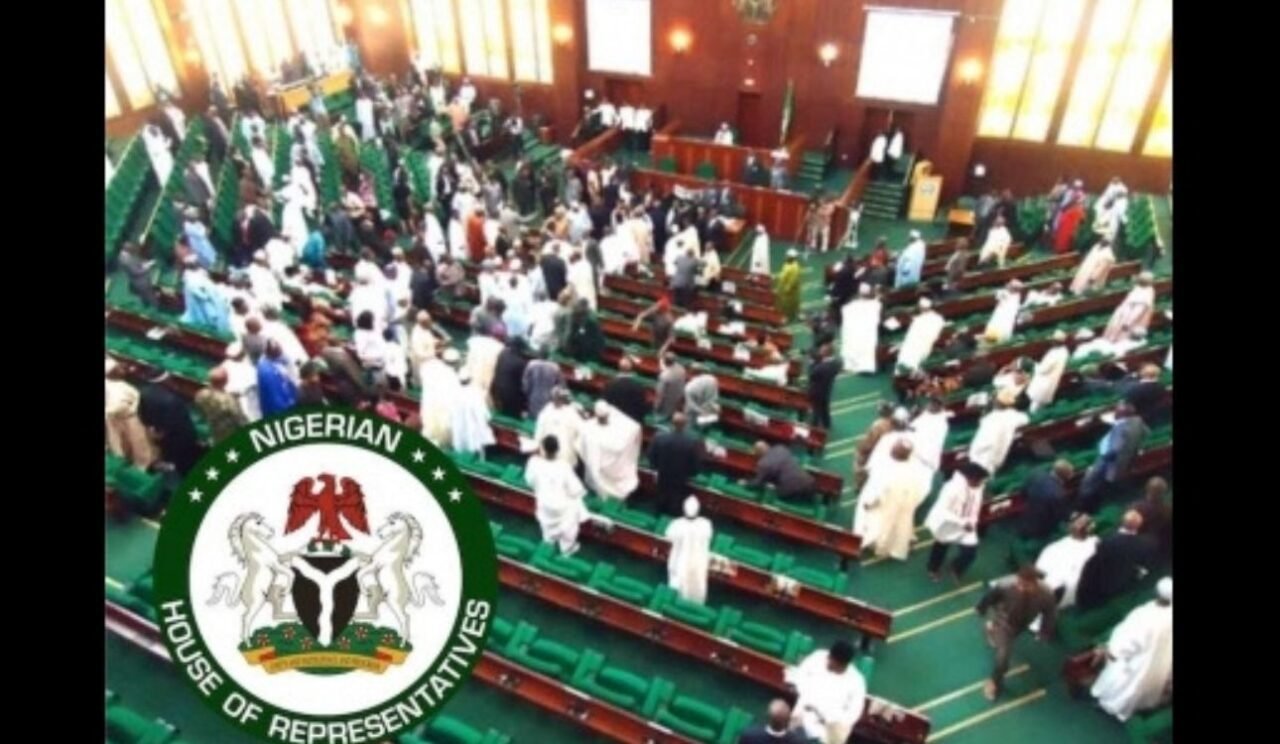
In a move that could reshape the nation’s governance, Nigeria’s House of Representatives has approved the second reading of a bill aimed at creating an official Office of the Prime Minister. The proposal seeks to amend the 1999 Constitution by designating the President as head of state while vesting executive authority in a newly established Prime Minister, a system reminiscent of Nigeria’s First Republic.
Sponsored by Minority Leader Kingsley Chinda along with 59 other lawmakers, the bill is part of a broader effort to transition Nigeria from its current presidential system to a parliamentary framework. Advocates argue that this change would streamline governance and enhance accountability by shifting day-to-day executive responsibilities to a Prime Minister elected by the legislature.
This legislative push comes amid a wave of constitutional amendments, with 32 bills passing their second readings in recent sessions. Other proposals include measures to secure reserved seats for women in both the National Assembly and state houses, highlighting a nationwide push for greater gender representation in politics.
Nigeria briefly operated under a parliamentary system between 1960 and 1963, during which Sir Abubakar Tafawa Balewa served as Prime Minister. Proponents of the new bill believe revisiting this structure could bring renewed balance and efficiency to national governance.
As the bill moves through the legislative process, it is expected to ignite robust debate among policymakers, legal experts, and the public about the potential benefits and challenges of transitioning to a parliamentary model.

