

 Edupreneur Editorial Team
ESA Explores Lab-Grown Meat as Sustainable Space Food Solution
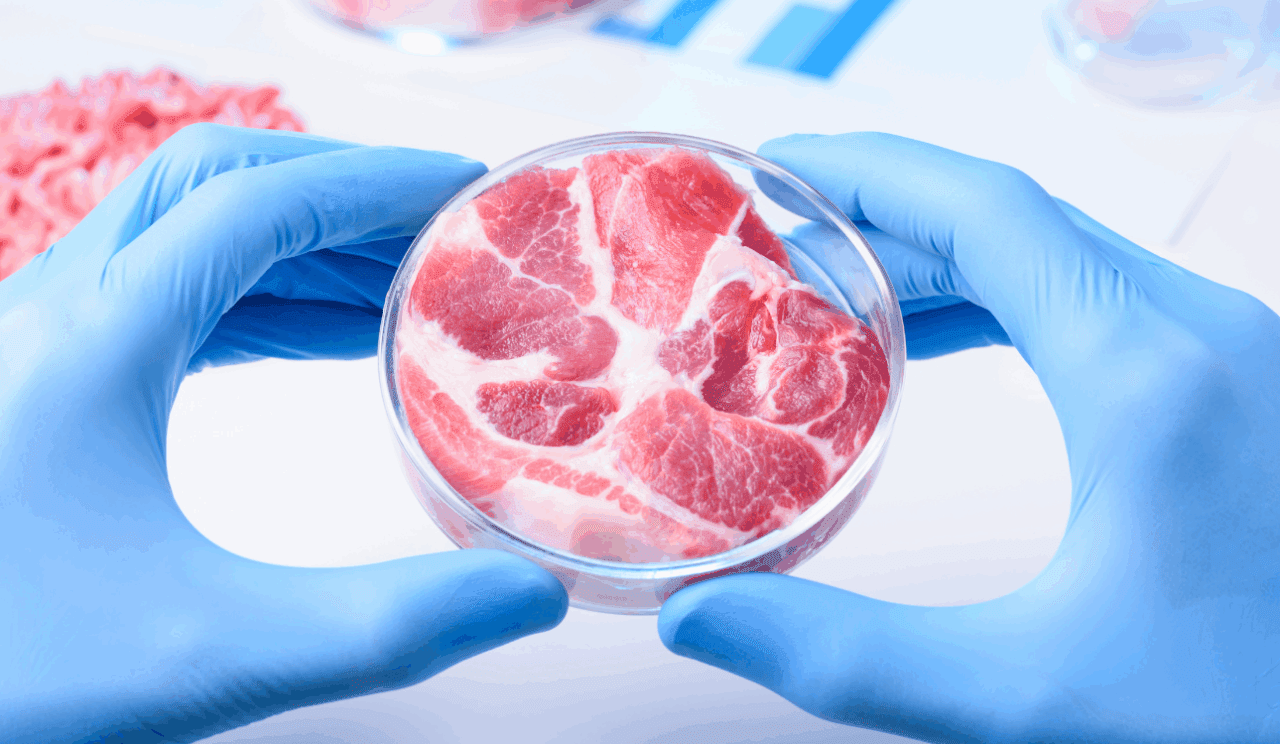
The European Space Agency (ESA) is backing innovative research to develop lab-grown meat that could one day feed astronauts on missions to the Moon, Mars, and beyond.
With the cost of feeding one astronaut reaching up to £20,000 per day, ESA is investing in lab-grown food as a potential game-changer. The goal is to create sustainable, in-space food sources that can operate under low gravity and high-radiation conditions far from Earth’s farms and food supply chains.
Two teams (one in Germany and the other in the UK) have received ESA support to explore how cultured meat can be produced in microgravity. These researchers are working on bioreactors that can grow muscle tissue from a small number of animal cells, using minimal resources.
Just half a gram of cow cells could potentially yield tens of thousands of burger patties—an incredibly efficient solution for future space missions where every gram counts. The researchers are also looking into how lab-grown food systems can be integrated into closed-loop life support systems that recycle resources and reduce dependence on resupply missions.
While this research is geared toward space, it could also revolutionize food sustainability on Earth, helping to meet the growing demand for protein with fewer environmental costs.
ESA’s exploration into cultured meat reflects a forward-thinking approach to both space travel and global food security.
For more information on ESA’s initiatives in cultured meat research, visit their official page: ESA explores cultivated meat for space food.

