

 Lifestyle & Wellness Desk
Why We Must Fight for Every African Child’s Future
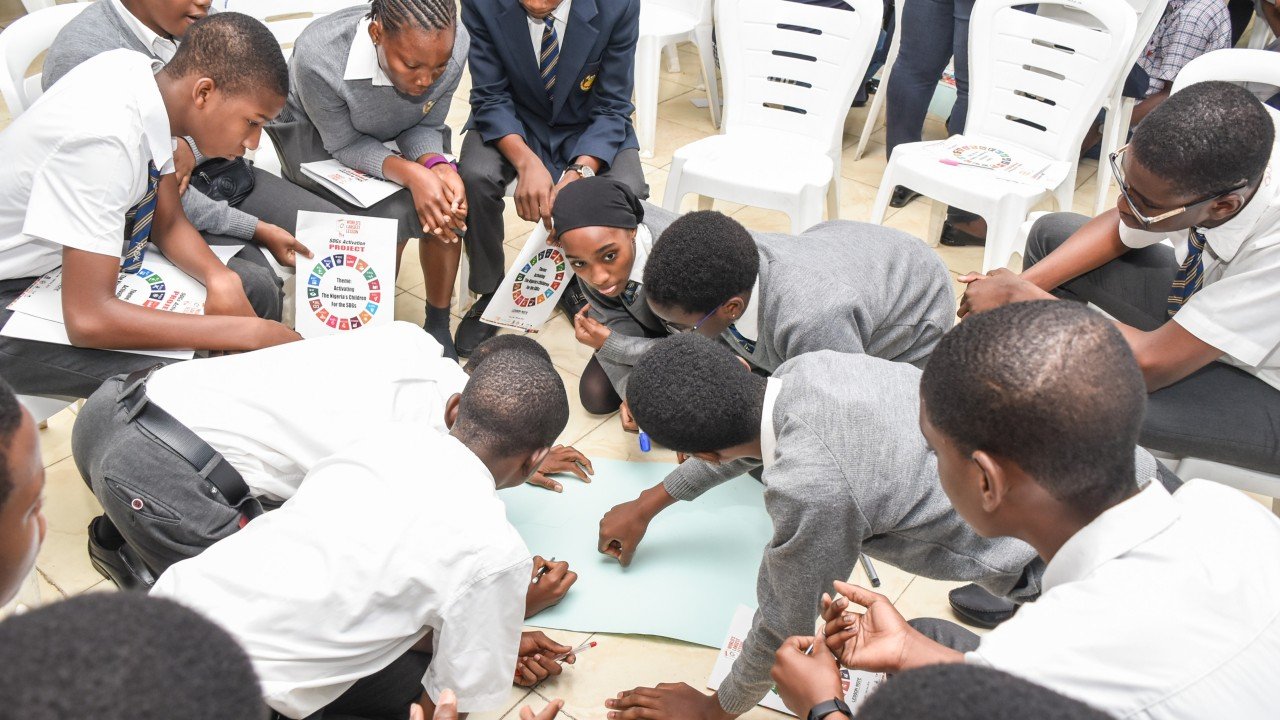
“I want to be a doctor so I can fix people. But my uncle says girls in our house don’t go to school for long. They get married.”
Those words, spoken by 9-year-old Hauwa during a visit to an elementary school in Kano, continue to echo in my heart. Bright, hopeful, and full of dreams, Hauwa embodies the reality of countless children across Nigeria and the African continent whose aspirations are dimmed before they even begin.
Kano, a city known for its rich culture and resilience, also highlights the persistent challenges that keep too many children, especially girls locked in cycles of poverty and lost opportunity. The stark gap between Hauwa’s ambitions and the limitations around her reflects the urgency of the mission to protect and uplift children.
Across Africa, more than 98 million children are currently out of school. Nigeria alone accounts for nearly 20 million of them, the highest number globally. Many of these are girls who face the burdens of early marriage, insecurity, economic hardship, and societal norms that prevent them from accessing education. This is more than an education crisis; it is a social and economic emergency. Without access to learning, children face higher risks of exploitation, malnutrition, and long-term poverty.
In Nigeria, one in eight children dies before the age of five from preventable causes, and around 43% of children under five are malnourished. These aren’t just statistics they represent real lives, real futures, and real communities in distress.
While progress is underway with expanded school feeding programs, learning centers in conflict-affected areas, and stronger advocacy for girls’ education these efforts are not yet enough. Too often, these interventions remain fragmented, underfunded, or unable to address deep-rooted issues like gender inequality, poor infrastructure, and health disparities.
This is why child-focused organizations and development efforts are so critical. Their work is not about charity it’s about justice. It’s about ensuring every child gets the opportunity to live, to learn, and to shape their future.
In my role on the Africa Advisory Board of an international children’s organization, I’ve been moved by the number of African companies and individuals rising to the occasion and investing in children. Yet more can and must be done. By 2030, nearly half of Nigeria’s population will be under the age of 15. The choices we make today will shape their tomorrow.
Nigerian businesses, philanthropists, and community leaders have the power, knowledge, and resources to drive meaningful change. Their involvement is not optional it’s essential. With their leadership, we can address the structural problems holding children back and create lasting improvements in health, education, and protection.
Whether it’s delivering life-saving vaccines, providing nutritious meals, rebuilding schools, or pushing for child-centered policy reform, those on the ground are leading the way. Together, efforts are underway to ensure that by 2030:
- No child dies from preventable causes before age five
- Every child has access to quality basic education
- Violence against children is no longer tolerated
This is not just an ideal; it is a roadmap for justice.
Meeting children like Hauwa in Kano reminded me that change does not only happen in strategy meetings or policy documents. It begins in classrooms, in clinics, and in conversations with families. My role is not just to bring expertise to the table, but to ensure the lived experiences of children, parents, and teachers shape the priorities we pursue.
I left Kano both inspired and heavy-hearted. Inspired by the brilliance and hope I saw in every child. Heavy-hearted because I know that without bold and united action, their dreams could go unrealized.
Children across Africa are facing overlapping crises conflict, displacement, hunger, climate change, and inequality. They don’t just need aid they need allies. It will take governments, civil society, businesses, parents, and everyday citizens working together to build systems that protect and empower them.
We must amplify awareness of what African children truly face. We must speak out against child marriage, unequal access to education, and poor healthcare. We must recognize every Hauwa, and ensure she is seen, heard, and helped.
The work being done today is more than a lifeline it is the foundation of a better future. My hope is that visits like the one to Kano will lead to deeper action, stronger partnerships, and long-term commitments focused on empowerment, not just temporary relief.
Because no child anywhere should be denied the chance to dream because of where they are born, their gender, or their circumstances.
And because when a girl like Hauwa says, “I want to be a doctor,” the world shouldn’t just listen.
It should act.

