

 Lifestyle & Wellness Desk
Falana Decries Fuel Subsidy Removal, Says Bribes Now Demanded in Dollars
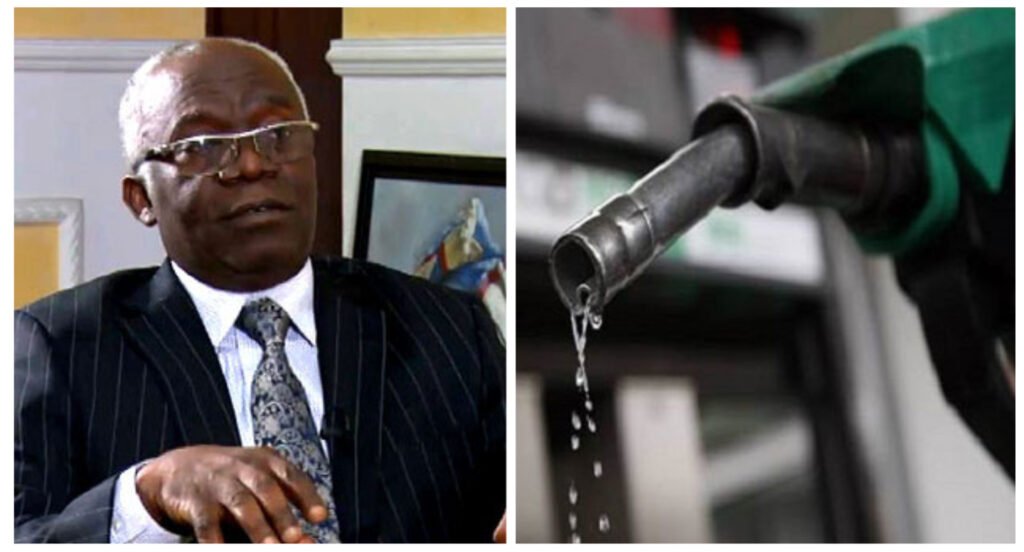
Human rights lawyer and Senior Advocate of Nigeria (SAN), Femi Falana, has criticised President Bola Tinubu’s removal of fuel subsidy, describing it as a grave economic misstep that has deepened hardship across the country.
Falana, who was a prominent voice during the 2012 Occupy Nigeria protests against fuel subsidy removal under former President Goodluck Jonathan, argued that Tinubu’s policy has brought more suffering rather than relief.
Speaking on Channels Television’s Politics Today on Sunday, the rights activist noted that Nigeria’s subsidy debate is tied to decades of prescriptions from the International Monetary Fund (IMF) and the World Bank, which he said have often left developing nations worse off.
“I have consistently opposed fuel subsidy removal since 2012. No country in the world has abolished subsidies completely. Even leading Western nations like the United States, the United Kingdom, and France subsidise electricity, agriculture, and other critical aspects of life,” he said.
Falana accused the IMF and World Bank of dictating Nigeria’s economic policies, including subsidy removal and naira devaluation, and urged President Tinubu to chart an independent path. According to him, the government’s decision has created widespread social tension.
“We have asked the government to muster the courage to tell these Western institutions that no country has succeeded by following Bretton Woods prescriptions. That is why Nigeria must review its economic programme holistically. You cannot devalue the currency, dollarise the economy, and remove subsidies at the same time,” he cautioned.
The SAN also condemned the increasing dollarisation of Nigeria’s economy, faulting President Tinubu’s practice of gifting footballers cash in foreign currency. He further warned that bribes, tuition fees, property transactions, and utility bills are now being settled in dollars—a trend he described as illegal under Section 20 of the Central Bank Act, which recognises the naira as the sole legal tender.
As a solution, Falana urged the government to promote and strengthen the naira while exploring membership in BRICS, a bloc of emerging economies originally formed by Brazil, Russia, India, China, and South Africa. He argued that BRICS offers an opportunity to reduce Nigeria’s dependence on the dollar and Western financial institutions while amplifying the influence of the Global South in global affairs.
“You cannot run a stable economy in the interest of the people if you keep devaluing your currency, especially in an import-dependent country like Nigeria. Such a policy damages the economy,” he said.

