

 James Obasi
Dollar to Naira Exchange Rate Today – October 1, 2025
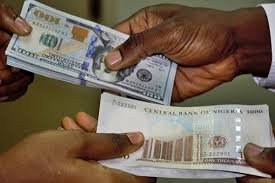
The Nigerian naira showed mixed but modest movements on Wednesday, recording slight gains in the parallel (street) market while slipping marginally in the official foreign exchange window.
In the parallel market, the naira appreciated slightly, closing at ₦1,500 per US dollar—an improvement from ₦1,505 earlier in the week. This uptick reflects renewed activity among independent traders and a slight boost in dollar supply.
Conversely, at the Nigerian Foreign Exchange Market (NFEM), the naira weakened mildly, ending the day at ₦1,478 per dollar, down from ₦1,480.15 the previous day.
This resulted in a narrower gap between the official and street rates, now about ₦22—compared to the ₦25 spread observed earlier in the week.
Exchange Rates for Other Major Currencies:
- Parallel Market:
- Pound Sterling: ₦2,075
- Euro: ₦1,665
- Official Market:
- Pound Sterling: ₦2,030.50
- Euro: ₦1,620.45
These figures continue to highlight the modest divergence between Nigeria’s official and informal FX markets.
Market analysts attribute the slight appreciation in the parallel market to improved dollar inflows from diaspora remittances, seasonal trade earnings, and independent supply sources. However, demand for dollars remains high, particularly from businesses, importers, students, and travelers who often rely on the parallel market due to limited access in the formal channel.
The official market remains supported by Central Bank of Nigeria (CBN) interventions, which aim to contain volatility. The reduced disparity between the two markets suggests that recent policy adjustments and FX reforms may be yielding early signs of alignment.
Outlook:
Traders anticipate the naira will trade between ₦1,495 and ₦1,505 in the parallel market over the coming days, assuming dollar supply remains steady. The CBN is expected to continue its targeted interventions to smooth out volatility and reinforce market confidence.
While recent trends are cautiously positive, long-term naira stability will depend on structural reforms—such as expanding non-oil exports, attracting significant foreign direct investment, increasing FX liquidity, and maintaining macroeconomic discipline.

