

 James Obasi
Reps Express Concern Over Rising HIV Cases Despite $4.6bn Foreign Assistance
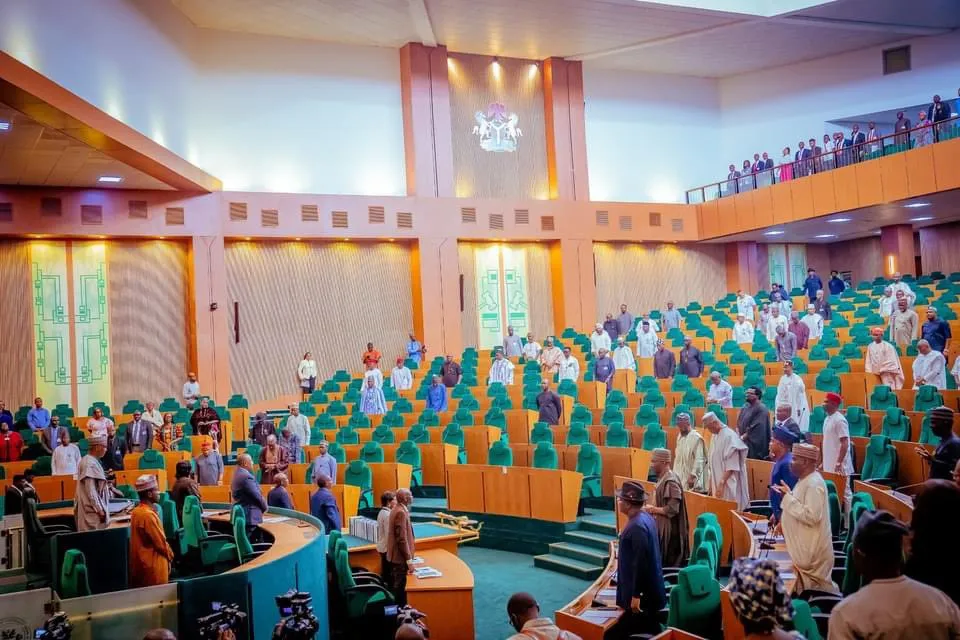
The House of Representatives has raised alarm over Nigeria’s persistent high HIV/AIDS burden despite receiving more than $4.6 billion in international health aid in recent years.
During its plenary on Tuesday, the House resolved to investigate how grants and donations from the Global Fund and the United States Agency for International Development (USAID) were utilised between 2021 and 2025.
Lawmakers expressed concern that, despite the substantial financial support intended to combat HIV/AIDS, tuberculosis, malaria, and other diseases, the country’s health indicators remain among the lowest globally.
The decision followed the adoption of a motion sponsored by Amobi Ogah (LP, Abia) and presented by House Deputy Spokesman, Philip Agbese.
Ogah lamented that Nigeria continues to rank among the countries with the highest rates of malaria, HIV/AIDS, and tuberculosis despite consistent donor assistance.
He revealed that the Global Fund provided about $1.8 billion between 2021 and 2024 to strengthen Nigeria’s Resilient and Sustainable Systems for Health (RSSH) initiative, while USAID disbursed over $2.8 billion within the same period for community health programmes.
“The PEPFAR programme alone has invested more than $6 billion in Nigeria’s HIV/AIDS response since its inception, yet the nation continues to record troubling health statistics,” Ogah said.
He cited recent data indicating that 51,000 AIDS-related deaths were recorded in 2023, including 15,000 children under 14, placing Nigeria third globally in HIV-related mortality. The country, he added, accounts for 26.6% of global malaria cases, 31% of malaria deaths, and ranks sixth worldwide for tuberculosis.
“These figures show that, despite billions of dollars in donor assistance, preventable diseases continue to claim lives in Nigeria. There’s an urgent need to ensure proper use of funds and achieve measurable results,” he stressed.
Following deliberations, the House directed its Committee on HIV/AIDS, Tuberculosis, and Malaria Control to probe the management of Global Fund and USAID health grants disbursed between 2021 and 2025 and report back within four weeks.
Civil society and non-governmental organisations have consistently called for increased transparency and accountability in the management of international health funding, warning that weak oversight continues to undermine Nigeria’s fight against preventable diseases.

