

 James Obasi
Rising Baby Food Prices Push Nursing Mothers to Turn to Locally Ground Cereals for Infant Meals
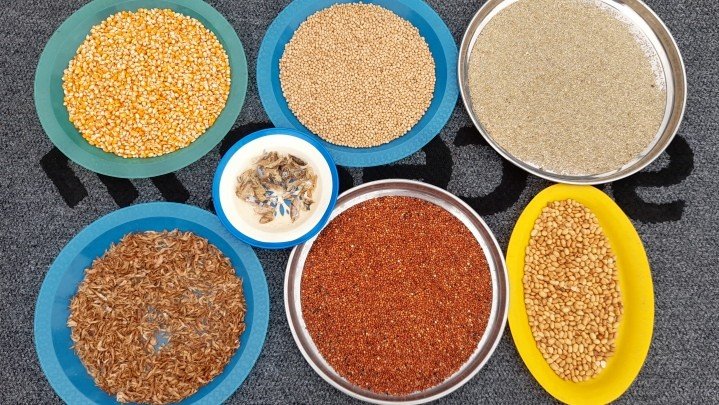
In the early and late 1960s, many Nigerian mothers proudly nourished their babies with locally made cereals, often after a year of exclusive breastfeeding. However, with the rise of modernisation and Western influence—particularly through television—feeding habits began to change. Gradually, nursing mothers turned to processed, factory-made baby foods. By the early 2000s, the trend had worsened, as many working mothers abandoned breastfeeding altogether.
Despite continuous warnings from medical experts and the World Health Organization, the dependence on commercial baby food persisted. But with the current economic hardship, many families are being forced to return to traditional feeding practices. The soaring prices of baby food—now ranging between ₦20,000 and ₦50,000 per tin depending on the brand—have made such products unaffordable for most low- and middle-income households.
Investigations reveal that many mothers are now embracing homemade baby meals such as mashed potatoes, rice, bananas, pap (corn meal), purees, semolina, and even soft versions of local dishes like amala and ewedu.
Mrs. Doris Erabor, a factory worker and nursing mother, shared her experience:
“I started making semolina paste with milk and salt for my four-month-old baby. Baby food became too expensive, and I couldn’t risk switching to unfamiliar brands. At first, I tried pap, but it didn’t satisfy him. A friend suggested semovita and milk—it worked perfectly, and my baby is now seven months old.”
For many families, the cost of raising a baby in Nigeria has become overwhelming. Delivery bills, baby clothing, diapers, and food expenses have all skyrocketed, erasing the once-promoted six months of exclusive breastfeeding. Many mothers now juggle multiple jobs or side businesses just to stay afloat.
Mrs. Grace Osunde, a teacher and mother of twins, also recounted her struggle:
“My breast milk didn’t flow at all, so we started with baby milk from day one. In one week, the twins finished two cans, and the cost became unbearable. I began mashing rice with milk and banana to make a puree. I also tried a mix of guinea corn, soybeans, and crayfish, but the babies didn’t like it. Now, I plan to introduce ewedu and amala gradually.”
For some, even finding an affordable local alternative has been challenging.
Mrs. Ramat Yusuf, a trader, said:
“My baby is four months old, and I can’t afford baby food. I tried several options, but she rejected most of them. I now make semolina paste with banana. I breastfeed her when I’m home, but I often have to leave her with a friend so I can hawk my goods. It’s tough, but we’re surviving.”
As economic conditions worsen, more Nigerian mothers are returning to traditional, home-prepared baby foods—reconnecting with age-old feeding practices out of both necessity and resilience.

