

 Lifestyle & Wellness Desk
Abuja Teachers’ Strike: Pupils Turn to Hawking, Teachers Seek Alternative Livelihoods
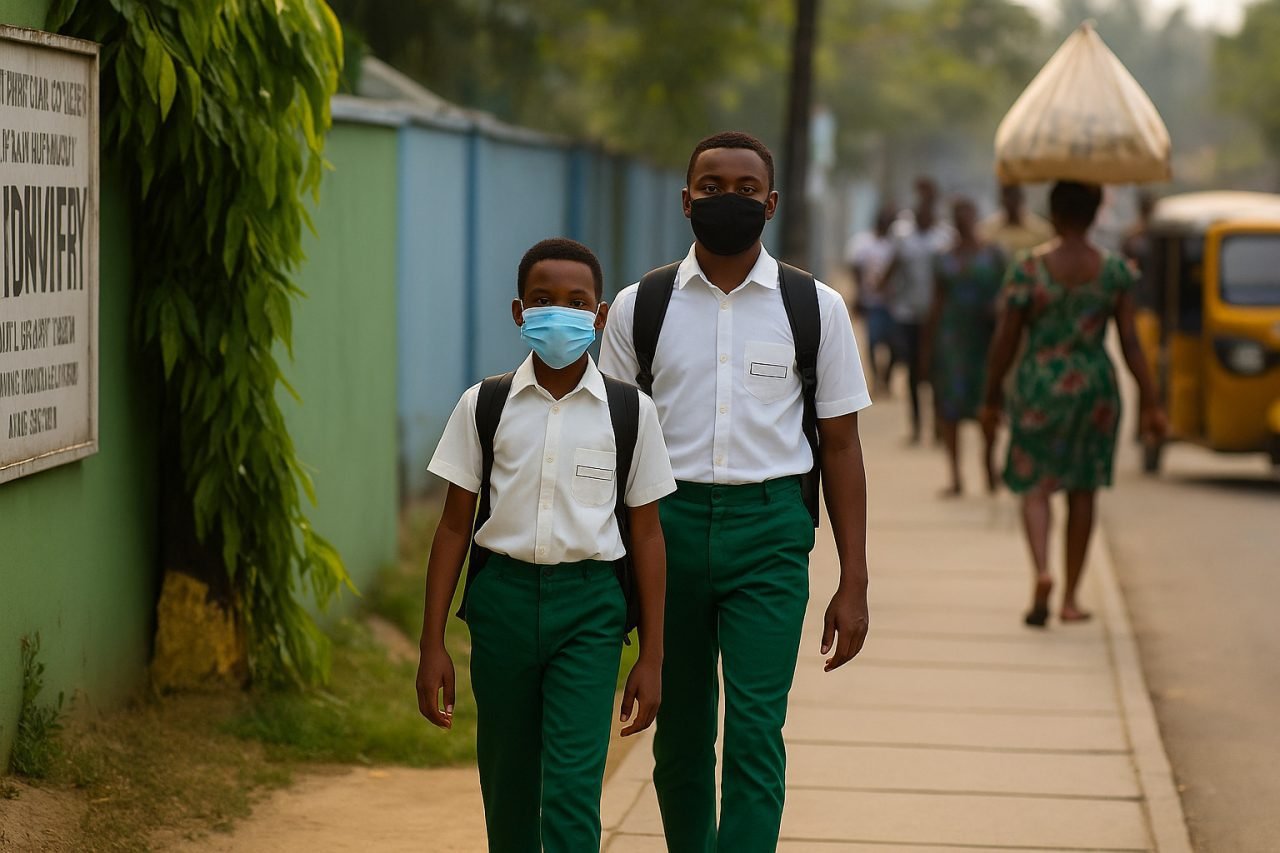
The ongoing strike by primary school teachers in the Federal Capital Territory has entered its fourth month, leaving thousands of pupils out of school and pushing many into street hawking, while teachers struggle to survive without pay.
The industrial action, led by the FCT branch of the Nigeria Union of Teachers, marks the fourth strike since late 2023. The union is demanding the full implementation of a tripartite agreement signed on December 11, 2024, which includes a ₦70,000 minimum wage for teachers.
Other demands include the payment of 25 to 35 per cent salary arrears, a 40 per cent peculiar allowance, the ₦35,000 wage award recently announced by the Federal Government, and outstanding promotion benefits from previous years.
The prolonged strike, which has now stretched into the third academic term, has drawn criticism from parents, civil society groups, and other labour unions, with growing concern over its impact on children’s education and welfare.
Pupils Resort to Hawking
With no resolution in sight, many pupils have taken to hawking in markets and on the streets across Abuja. Children who should be in classrooms are now seen selling snacks, drinks, and other items in locations such as Jabi and Wuse markets, or loitering without supervision.
In some cases, parents have encouraged their children to engage in petty trading as a means of staying occupied during the strike.
“My mum takes me to the market to help sell provisions and food items. I miss school and my friends,” said eight-year-old Blessing (surname withheld).
“I should be preparing for my common entrance exams, but we’ve been at home since March,” said 11-year-old John, who now sells drinks at a park while his mother works at Utako Market.
For others, the absence of structured learning has left them with little to do. “I come here to play football every day,” said 10-year-old Ibrahim, a Primary 4 pupil from a government school in Bwari.
Parents Seek Alternatives
In response to the ongoing disruption, some parents have transferred their children to private schools, despite the financial burden.
“I had to borrow money to enrol my son in a private school,” said Favour Onwudiwe, a resident of Lugbe. “The fees are high, and there are extra charges, but I can’t let him sit at home for months.”
Another parent, Mr. Chukwuemeka Ifeanyi from Bwari, shared a similar experience. “During the last strike, which lasted six weeks, I decided to move my children to a private school. It’s more expensive, but at least their education continues.”
Meanwhile, some parents have been unable to make such arrangements. An FCTA employee, Mr. Jimoh Dauda, expressed frustration over the situation. “My children have been at home since the strike began. If I could afford to homeschool them, I would, but that also requires money,” he said.
Teachers Turn to Private Tutoring
With months of unpaid salaries and no clear end to the strike, many teachers are also seeking alternative sources of income.
“I’ve started offering private lessons for families,” said Mrs. Sandra Anyebe, a teacher with over 15 years of experience. “It’s not much, but it helps us manage. Some of my colleagues have taken up small businesses or are considering moving abroad.”
Peter Afolayan, a representative of the FCT Universal Basic Education Board and the Academic Staff Union of Secondary Schools, reiterated the teachers’ demands. “The minimum wage for other sectors in the FCTA has been implemented. Teachers face the same economic realities and deserve the same consideration,” he stated.
Another teacher, Anke James, raised concerns about delays in salary payments and the lack of promotion opportunities since 2023. “Teaching is not a profession where you can easily earn outside your salary. We are simply asking for timely payment and the implementation of our entitlements,” he said.
Despite calls for dialogue, the impasse between the teachers and relevant authorities remains unresolved, leaving pupils, parents, and educators in a state of uncertainty.

