

 Lifestyle & Wellness Desk
AI Hits the Classroom: Can It Ease the Burden on Overworked Teachers?
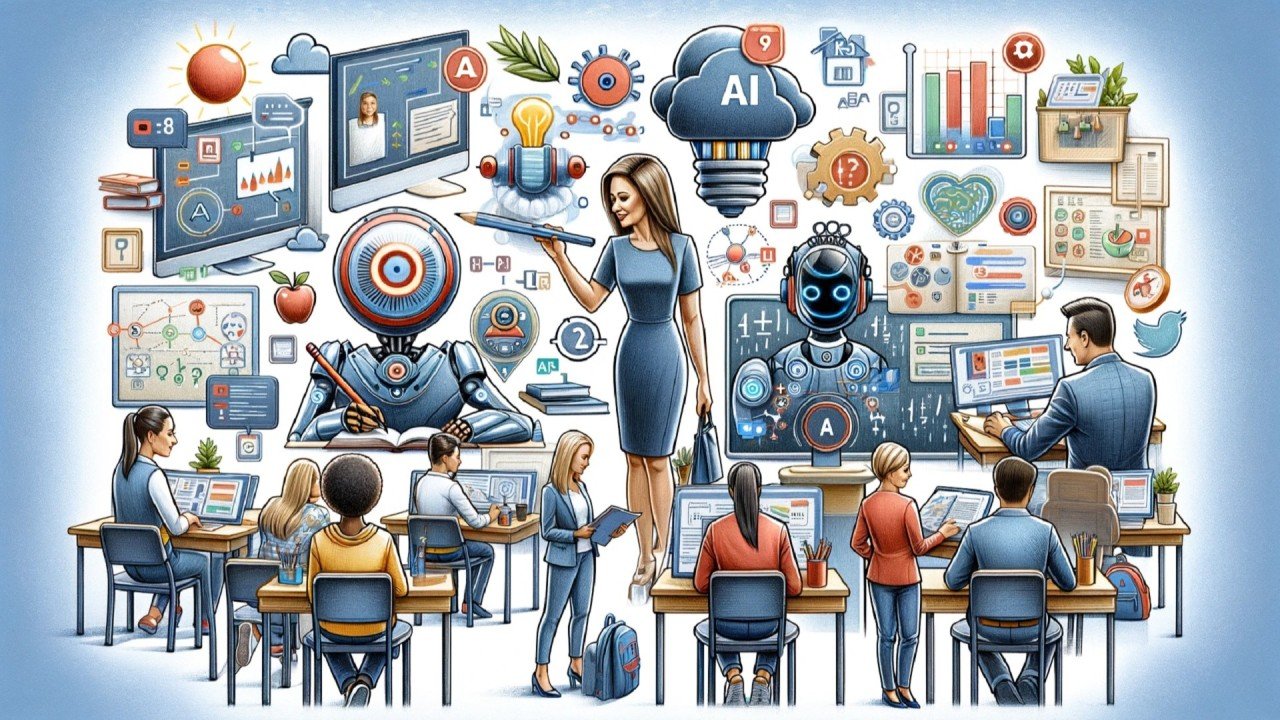
Schools across the UK are experimenting with AI-powered teachers and even hiring remote staff to deliver lessons from hundreds of miles away.
The move comes as artificial intelligence becomes increasingly integrated into education, with the government highlighting its potential to transform learning and reduce administrative burdens for teachers.
Educators and school leaders remain divided on the impact of these technologies. Emily Cooke, a maths teacher at The Valley Leadership Academy in Lancashire, strongly opposes the school’s use of a virtual maths teacher.
“Will a virtual teacher celebrate achievements with students in person or provide the same support in everyday school life?” she questioned.
Since September, top-set pupils in Years 9, 10, and 11 have been taught by the remote teacher based 300 miles away in Devon. Teachers at the school have staged strikes over the initiative. The school maintains it is a “small-scale initiative,” but the National Education Union (NEU) has called it “unacceptable.”
Cooke argues that the teacher-student relationship, which is essential for learning, cannot be replicated through a screen.
In contrast, at other academies, AI is being used to support staff rather than replace them. Shane Ierston, CEO of Great Schools Trust, says AI helps free teachers’ time so they can focus on character-building, leadership, and resilience in students.
Teachers can already use AI to mark assessments and mock exams more accurately. AI tools can identify gaps in learning and provide tailored lesson plans. After marking, an AI-generated video offers personalised feedback for each pupil. The trust plans to trial the system further this year and gather input from staff, students, and parents.
Ierston describes the technology as a “leveller,” ensuring every child receives personalised support while teachers remain in the classroom to guide learning. Deepfake and AI tools will also help absent students catch up and translate messages for parents in 46 languages spoken across the schools.
“There will always be concern about change, but we want to lead it rather than leave it to Silicon Valley,” he said.
Some parents, like Nicola Burrows, are cautiously optimistic. Her daughter, Lucy, in Year 11, could benefit from AI-driven personalised feedback. Burrows says parental involvement is essential to address concerns about safety and efficacy.
Parents, however, remain sceptical. Frank Young, chief policy officer at Parentkind, a national parents’ charity, said only 12% of parents support AI in the classroom, though he believes acceptance will grow with proper guidance on safety and benefits.
While there are no official statistics on AI use in schools, Ofsted is collecting evidence. A Teacher Tapp survey found that AI use by teachers rose from 31% in October 2024 to 58% by October 2025. Oak National Academy reports over 40,000 teachers have used its experimental AI lesson-planning tool since its launch last September.
At The Valley, Cooke insists online lessons cannot replace face-to-face teaching and warns of widening learning gaps from COVID-era remote teaching.
A school spokesperson said remote teaching is “structured, supported, and takes place in school” and is designed to address shortages of specialist maths teachers. Three virtual teachers are currently deployed in situations where high-quality subject specialists are difficult to recruit.
The Department for Education emphasises that technology must enhance, not replace, critical thinking and creativity in learning.
Meanwhile, NEU general secretary Daniel Kebede reaffirmed the union’s opposition to remote teaching, declaring they will “never tolerate the imposition of a virtual teacher.” The trust managing The Valley says it remains committed to working with the union to resolve the matter.

